EU drops leather from deforestation law, sparking backlash from environmental groups
Leather slipped out of the EU’s deforestation rules, easing pressure on luxury supply chains. Watchdogs say the loophole weakens accountability where fashion is most exposed.
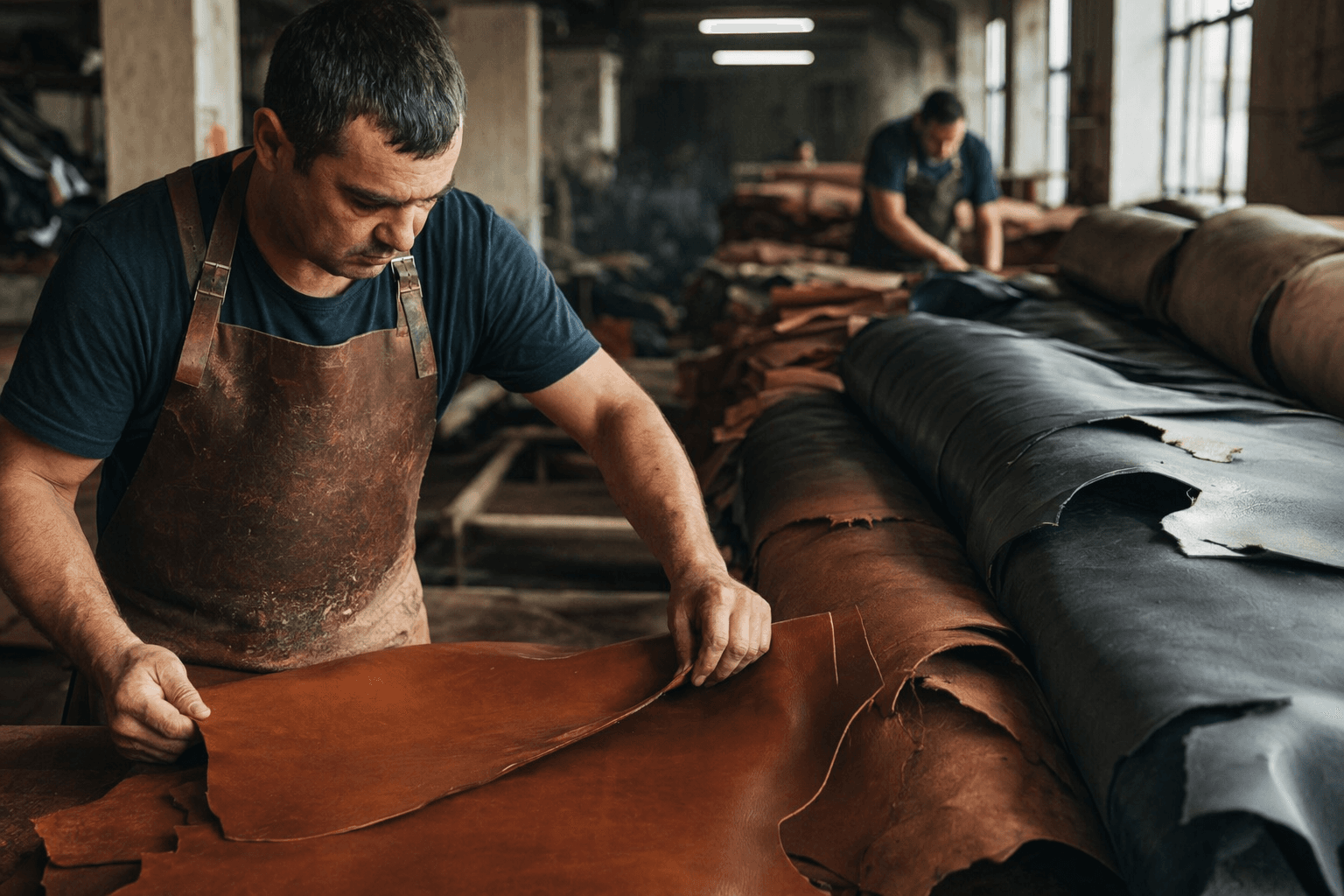
Brussels pulled leather out of the EU Deforestation Regulation in its simplification review published on 4 May 2026, and the move immediately changed the stakes for fashion’s most polished material. The Commission said the package should cut annual compliance costs for covered companies by about 75 percent, but for brands that sell leather as the pinnacle of natural luxury, the bigger story is the one it leaves behind: less direct legal scrutiny over a material tied to cattle and land use.
The EU Deforestation Regulation was adopted on 31 May 2023 to keep products linked to deforestation off the European market and to reduce the bloc’s contribution to greenhouse-gas emissions and biodiversity loss. The Commission’s background material says the law covers cattle, cocoa, coffee, oil palm, rubber, soy and wood, and leather had previously been listed among derived products linked to those commodities. Under the current timeline, large and medium operators are due to comply from 30 December 2026, with micro and small operators following on 30 June 2027.
That makes the leather carve-out more than a technical adjustment. It narrows the law’s reach exactly where fashion’s accountability problem has been easiest to soften: the glossy, expensive hides that brands present as timeless, durable and premium, even when the supply chain starts with cattle linked to deforestation risk. The Commission’s latest package still points to other scope changes, including possible additions of soluble coffee and some palm-oil derivatives, while retreaded tires are set to be excluded. Leather, though, is the loophole drawing the most heat.
Environmental groups moved fast. WWF’s Anke Schulmeister-Oldenhove said exempting specific sectors would undermine the regulation’s credibility and make compliance more complex. Greenpeace said the leather loophole was “unacceptable.” Global Witness called the exclusion of leather “scandalous” and warned that cattle products, including leather and hides, are major drivers of deforestation in EU supply chains.
Industry, unsurprisingly, saw the same decision in the opposite light. COTANCE, the European tanning association, welcomed the proposal as a “historic day for the tanning industry.” And the political muscle behind the exemption matters: Politico reported that Nuti Ivo Group, the LVMH-owned tannery, and its CEO Fabrizio Nuti were central voices in the push for leather exemptions, even as an NGO investigation linked the company to Paraguayan suppliers associated with deforested land. In 2025, Politico reported, Nuti Ivo Group tanneries imported around 2,710 metric tons of leather from Paraguay worth about $3.8 million, or €3.4 million.
That is the shape of the loophole. Leather keeps its premium aura, but the legal spotlight on the forests and cattle lands behind it just got softer.
This article was produced by Prism’s automated news system from verified source data, official records, and press releases, then run through automated quality and moderation checks before publishing. The system is built and supervised by the people who set the standards it runs under. Read our full AI policy.
Did this article answer your question?