HKRITA, Chengdu university sign pact to scale textile recycling tech
HKRITA is moving its Green Machine from Hong Kong into Chengdu, putting blended-textile recycling on a clearer path to factory use. The pact could make polyester-cotton recovery a regional manufacturing tool.
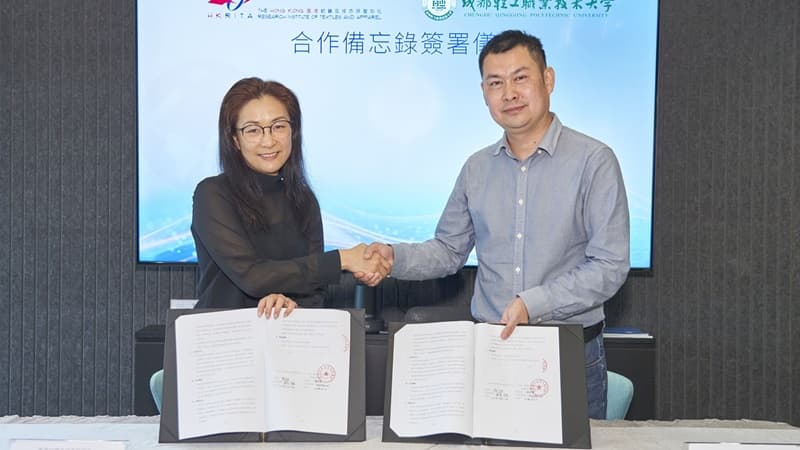
HKRITA has signed a Memorandum of Cooperation on technology transfer services with Chengdu Qinggong Polytechnic University, sending one of Hong Kong’s best-known textile recycling inventions deeper into mainland China’s industrial pipeline. The deal matters because it is not just about research ties. It is about taking the Green Machine, a system built to break down stubborn polyester-cotton blends, and testing how far that technology can travel beyond the lab and into real production.
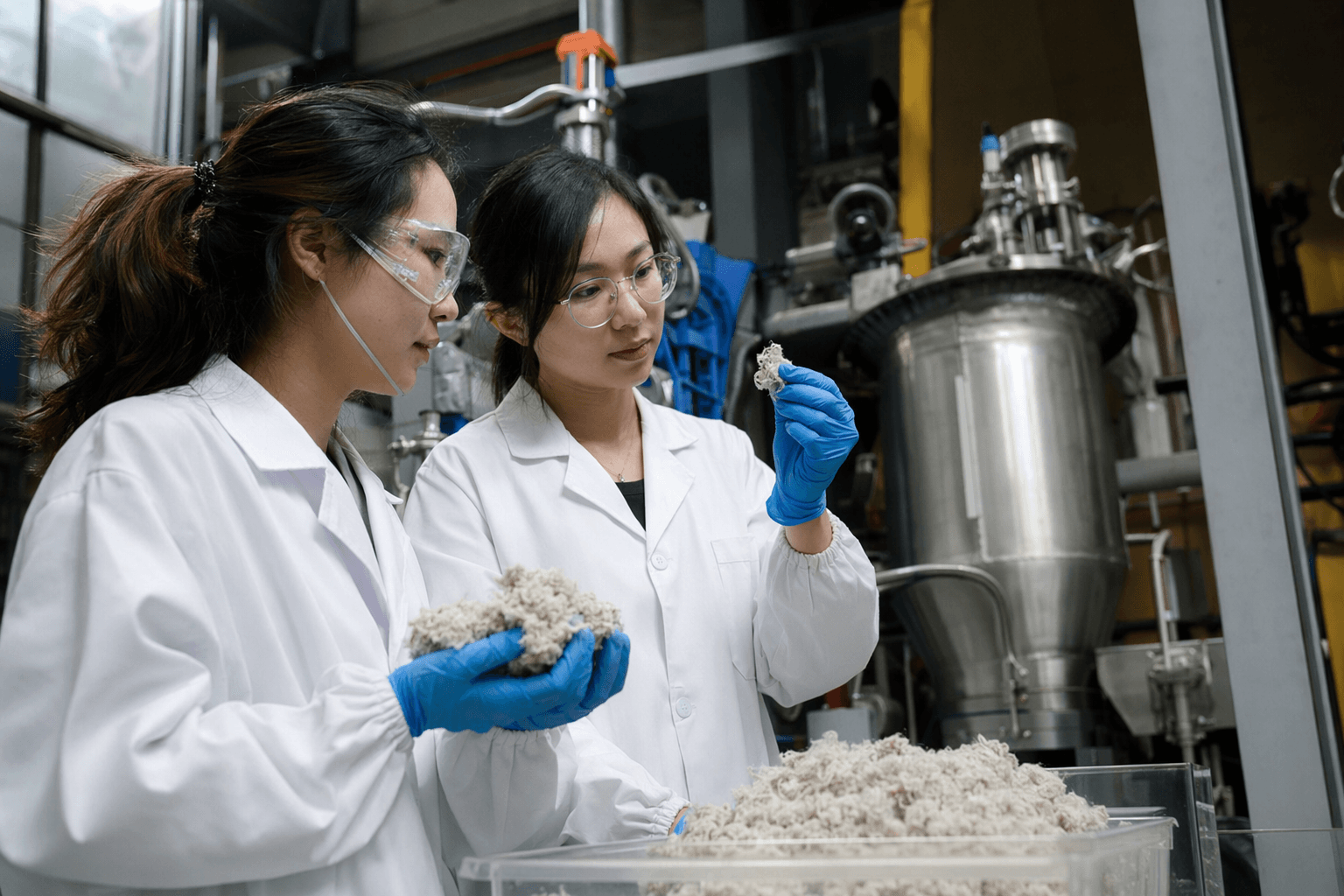
The Green Machine uses hydrothermal treatment to separate PET fibres from cotton-polyester blends and decompose the cotton into cellulose powder. HKRITA says that process enables fibre-to-fibre recycling and closed-loop recycling of post-consumer textiles, with recovered polyester able to be respun. The cotton byproduct does not stop at powder, either. HKRITA says it can be turned into cellulose composite fibre, a cellulosic water-retaining material for cotton farming and a PFC-free durable water-repellent finish, giving the technology a practical afterlife across multiple parts of the supply chain.
That breadth is what makes the Chengdu agreement feel more like industrial transfer than symbolic partnership. Chengdu Qinggong Polytechnic University, the current name of the former Chengdu Textile College, has textile-industry roots that make it a natural mainland partner for a recycling system designed to handle one of fashion’s most common and most problematic fabric mixes. Ecotextile News said the Chengdu institution had not previously entered an international research cooperation agreement with a Hong Kong research body, underlining how unusual the pact is.
HKRITA has spent years building the Green Machine’s credibility. The project won a Gold Medal at the 46th International Exhibition of Inventions of Geneva in 2018, a Silver Award at the 2017 Hong Kong Green Innovations Awards and a Gold Award at the 2019 Asia International Innovative Invention Award. In 2019, the H&M Foundation described it as the world’s first technology that could separate blended textiles at scale without quality loss, a claim that still captures why the system matters in a market flooded with fibre blends that are hard to recycle cleanly.
The agreement lands as HKRITA is also expanding the physical infrastructure needed to commercialise textile innovation. In December 2024, it opened Open Lab, a 20,000-square-foot research and development space with a modular Fashion Future Lab and a Pilot Plant built to scale new ideas beyond pilot status. Funded by Hong Kong’s Innovation and Technology Commission and hosted by The Hong Kong Polytechnic University, HKRITA has positioned itself as a bridge between applied research and industry use. The Chengdu pact suggests that bridge is starting to stretch across one of China’s most important manufacturing regions.
This article was produced by Prism’s automated news system from verified source data, official records, and press releases, then run through automated quality and moderation checks before publishing. The system is built and supervised by the people who set the standards it runs under. Read our full AI policy.
Did this article answer your question?