2026 World Cup showcases recycled polyester at elite scale
The World Cup is turning recycled polyester into a live stress test. Nike, Adidas and Puma are using the tournament to prove whether textile waste can hold up at elite scale.
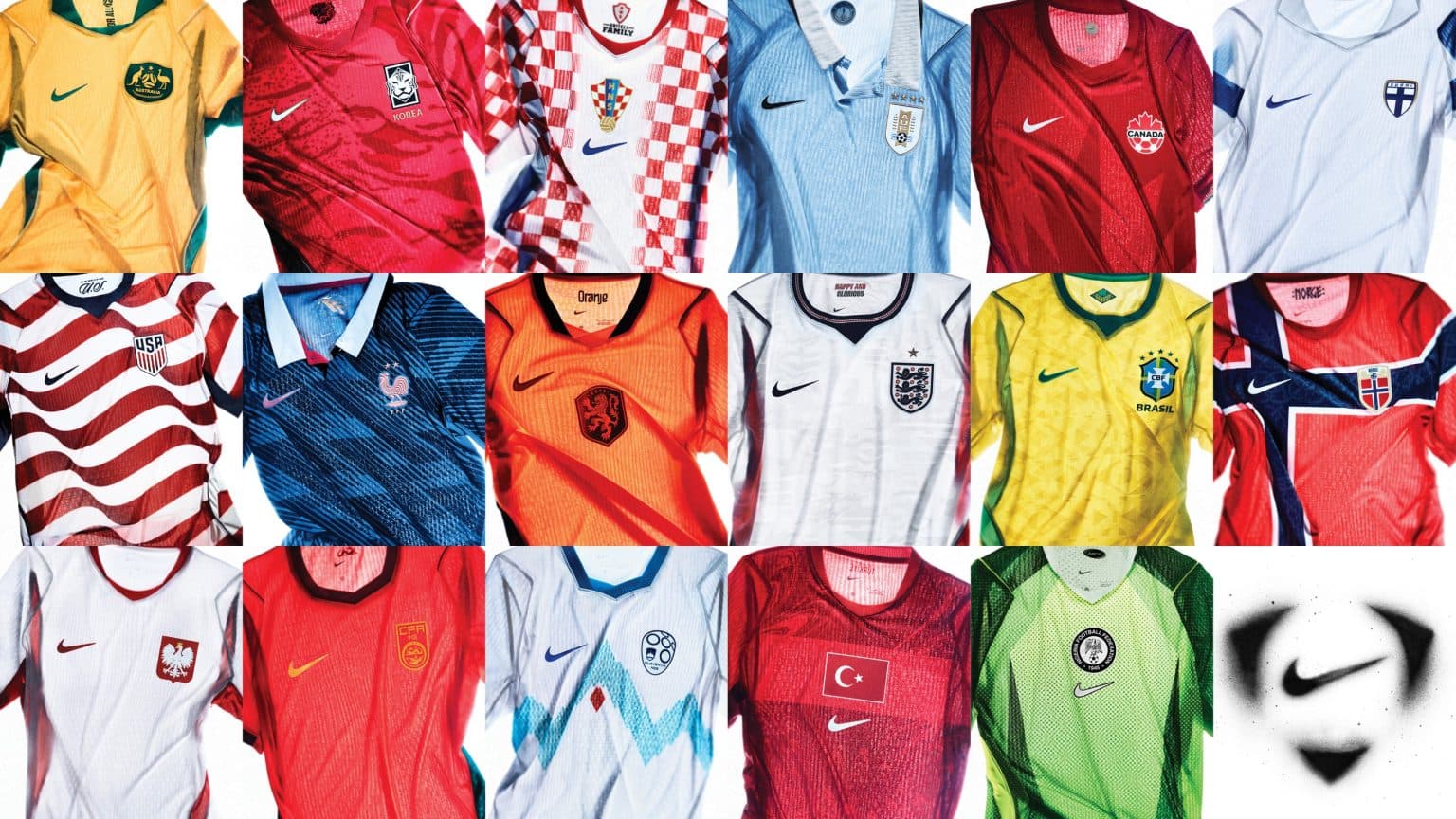
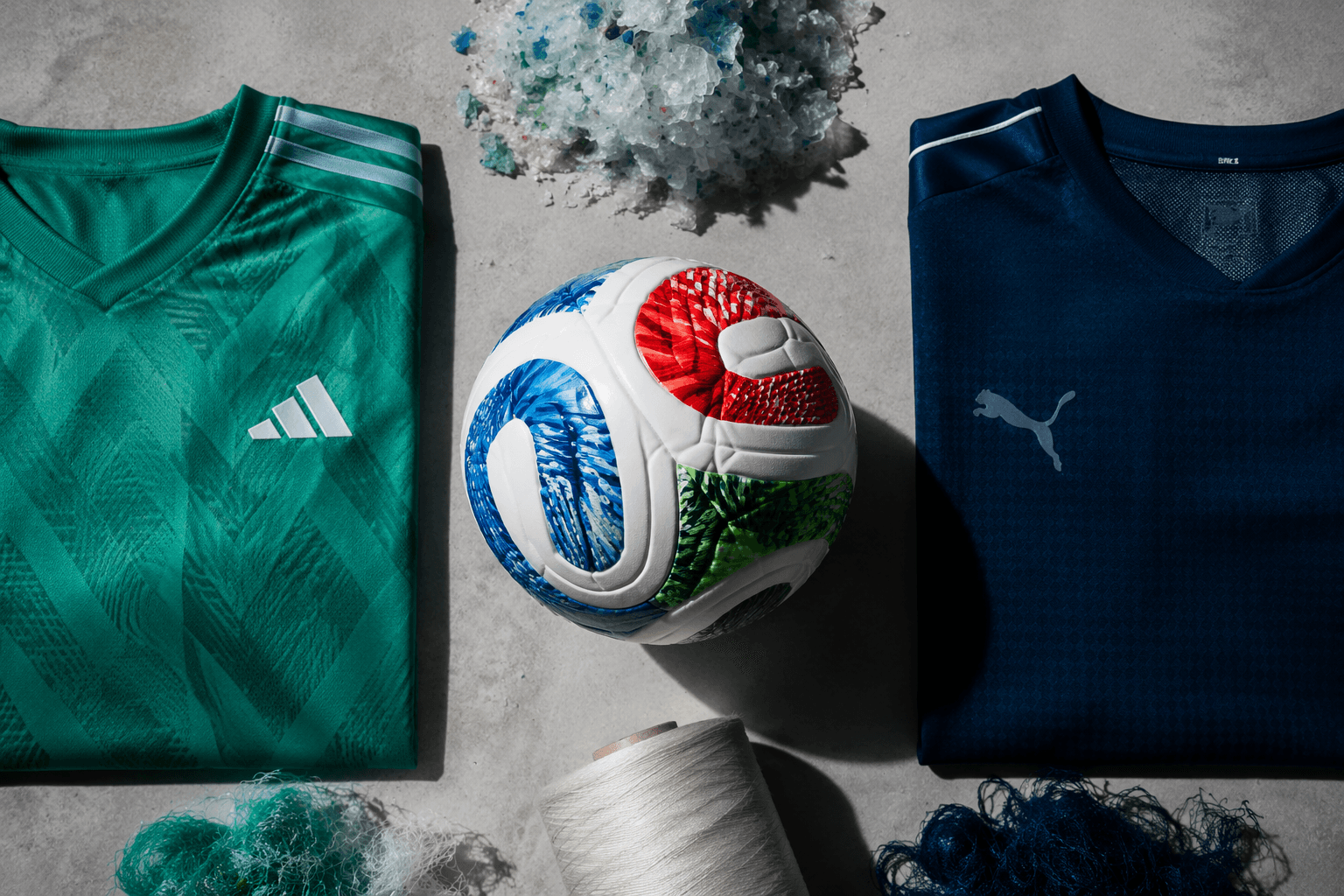
The 2026 World Cup is doing something the sustainability conversation rarely manages: forcing recycled polyester to perform under stadium lights, in heat, through sweat, and across 104 matches. With a majority of kits from Nike, Adidas and Puma built with textile-to-textile recycled polyester, the tournament becomes less a feel-good gesture than a very public audit of scale, traceability and durability.
What makes this moment matter is not the spectacle alone, but the pressure test. FIFA says the 2026 tournament is its 23rd edition, the first with 48 teams, and the first staged across three host countries, Canada, Mexico and the United States, with 104 matches spread across 16 cities from June 11 to July 19, 2026. On June 2, FIFA confirmed a record 1,248 players from 48 nations. That is not a pilot program. That is a global manufacturing exam.
The World Cup as a materials test
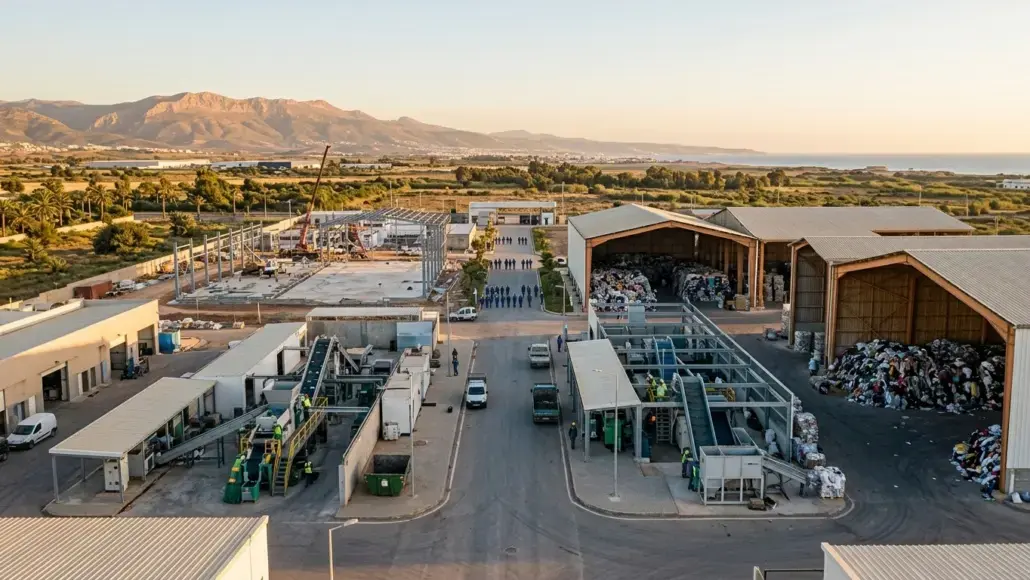
For years, sportswear brands have talked about circularity in the language of progress: bottles turned into jerseys, pilot collections, limited drops, neat laboratory wins. Textile-to-textile recycled polyester is different. It asks whether old clothing, cuttings and post-consumer waste can be turned back into performance fabric at a level that works for the fastest players on earth, not just for a concept board or a sustainability deck.
That distinction matters because elite kit has to do everything at once. It has to be light without feeling flimsy, resilient without trapping heat, and stable enough to survive repeated washing without losing shape or sheen. If this material can work at World Cup scale, it gives brands a case for building a real procurement model around textile waste. If it cannot, the tournament risks becoming a high-visibility proof point with little lasting industrial consequence.
Nike is betting on chemical recycling and performance parity
Nike has made the sharpest claim in the field: its 2026 federation kits and Aero-FIT training collections are the company’s first elite performance apparel made from 100 percent textile waste. The recycled yarn, Nike says, is created through advanced chemical recycling and is as good as virgin material. That is the kind of statement that shifts the debate from virtue to performance.
The promise is important because performance apparel lives or dies on technical credibility. A recycled fiber can be aesthetically convincing and still fail in fit, recovery or hand feel. Nike is effectively arguing that the material no longer needs to be framed as a compromise. If that holds up across the tournament, it will strengthen the case for textile waste not as an add-on sustainability story, but as a core input for premium sport.
Adidas is moving more cautiously, but with a longer runway
Adidas is taking a more measured path. The company says the first products with textile-to-textile recycled polyester are planned for 2026, and it has set a goal for 10 percent of all polyester used in its products to come from textile waste by 2030. It also says it maintained its target to use 100 percent recycled polyester wherever technically possible by the end of 2024.
That mix of ambition and restraint tells you where the industry still is. Adidas is not pretending the shift will happen overnight, and that is exactly why its targets matter. The 2030 goal signals an attempt to scale textile waste into the broader materials mix, not just into a headline-grabbing capsule. The challenge now is whether the company can move from a broad recycled-polyester commitment into a supply chain that can consistently feed textile-derived inputs at commercial volume.
Puma is using replica jerseys to scale what it already tested
Puma’s approach is perhaps the most visibly practical. The company says all of its replica jerseys for national teams at the 2026 World Cup are being produced from recycled textiles through its RE:FIBRE programme. That matters because replica kits sit at the intersection of sport and streetwear. They are the item fans actually buy, wear, wash and live in.
Puma first used RE:FIBRE in 2022 on a small number of training jerseys, then scaled the program so that all official Puma football replica jerseys for Euro 2024 were made with it. The World Cup now extends that model to the biggest stage in football. In fashion terms, this is where sustainability stops being a concept and starts behaving like a category strategy.
Why this is bigger than one tournament
The real story here is not that recycled polyester has arrived. It is that the industry is finally putting textile-to-textile recycling into the highest-pressure environment available, where performance, volume and visibility all collide. The World Cup gives brands a rare chance to prove that recycled inputs can move beyond limited runs and circularity pilots into a repeatable system for elite sportswear.
That is the question fashion should be asking now: are brands building a durable materials procurement model, or are they using the tournament as a polished proof point? The answer will be visible in what happens after the final whistle. If these kits age well in play, wash well in real life and scale without losing quality, the result could be a new standard for performance apparel. If not, the old bottle-to-fiber story will keep looking like the easy version of circularity, while textile waste remains the harder, more important challenge.
This article was produced by Prism’s automated news system from verified source data, official records, and press releases, then run through automated quality and moderation checks before publishing. The system is built and supervised by the people who set the standards it runs under. Read our full AI policy.
Know something we missed? Have a correction or additional information?
Submit a Tip