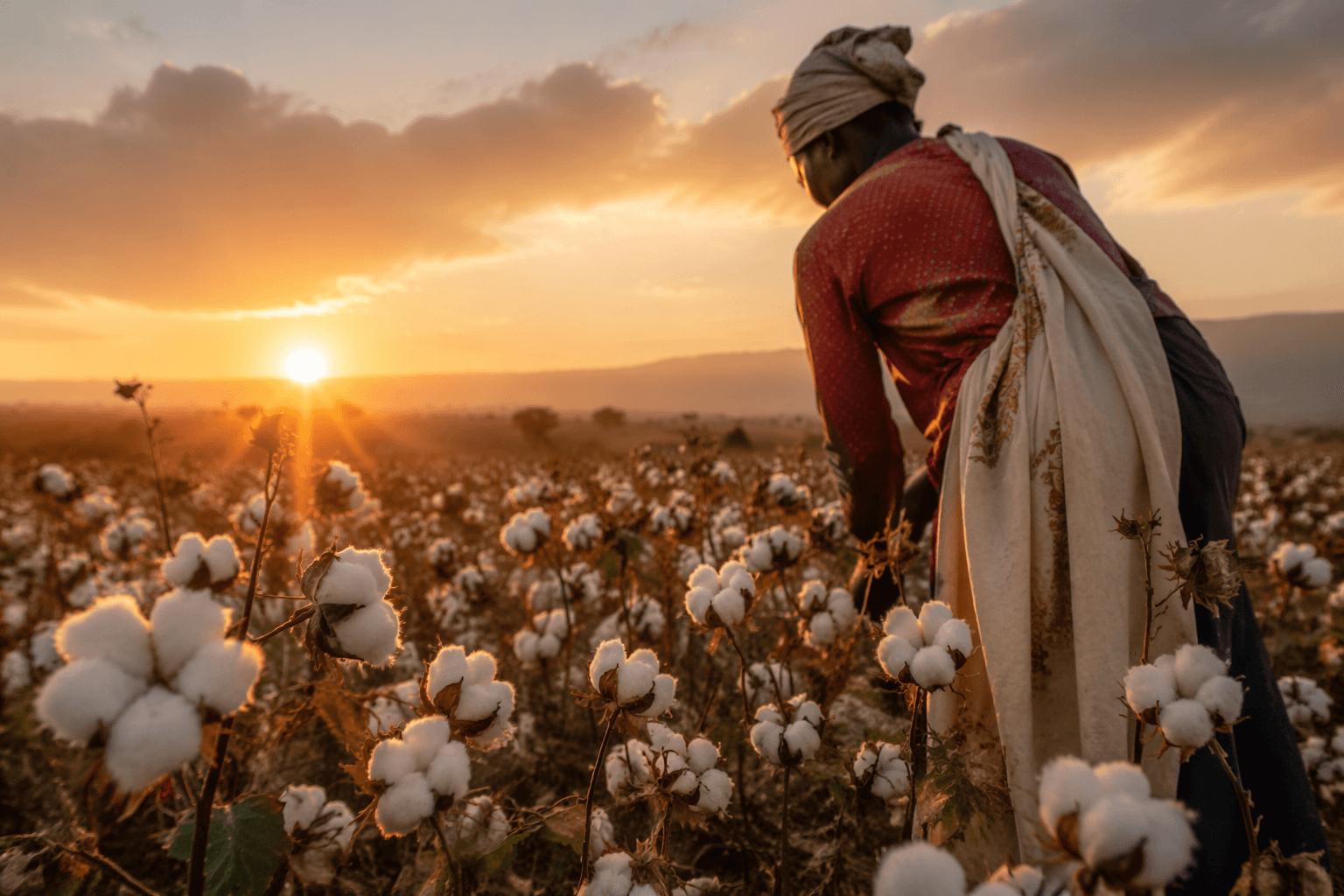
Morocco textile recycling pilot could unlock $1.9 billion investment
Morocco turned 427 metric tons of textile offcuts into new feedstock, and IFC says scaling it could draw $1.9 billion and create more than 30,000 jobs.
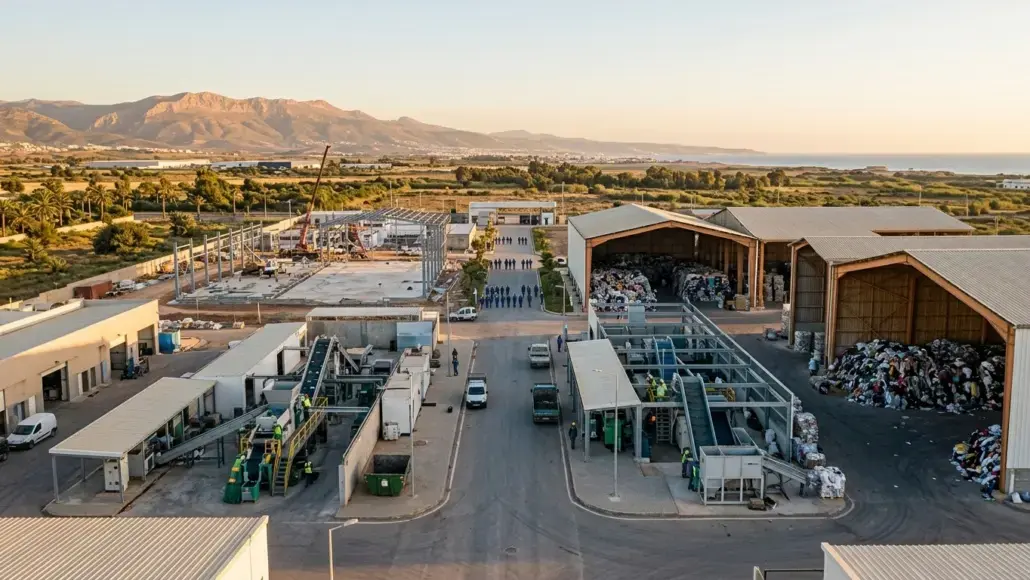
Morocco’s textile waste is starting to look less like a disposal problem and more like industrial infrastructure. IFC-backed pilot trials turned 427 metric tons of pre-consumer textile offcuts into new materials for manufacturing, while 2,400 more tons were committed for recycling, a scale-up that IFC says could attract up to $1.9 billion in private investment and generate more than 30,000 jobs.
The point is not just volume. Recycled-content fabric met standard commercial quality benchmarks across every tested parameter, which matters because fashion supply chains do not forgive compromise on performance, hand feel, or consistency. IFC’s analysis also found that recycled materials can cut carbon emissions by about 18 percent and reduce water use by more than 60 percent compared with conventional production, a combination that puts circularity squarely in the language brands and mills understand: cost, quality, and throughput.
The real friction is operational. IFC says more than 80 percent of Morocco’s textile waste collectors work informally, yet its research suggests as much as 75 percent could move into formal status within five years with the right institutional support. That shift would turn scattered collection into bankable supplier infrastructure, especially in a country that generates about 83,200 tons of post-industrial and pre-consumer textile waste each year and already sends 93 percent of its textile exports to the European Union.
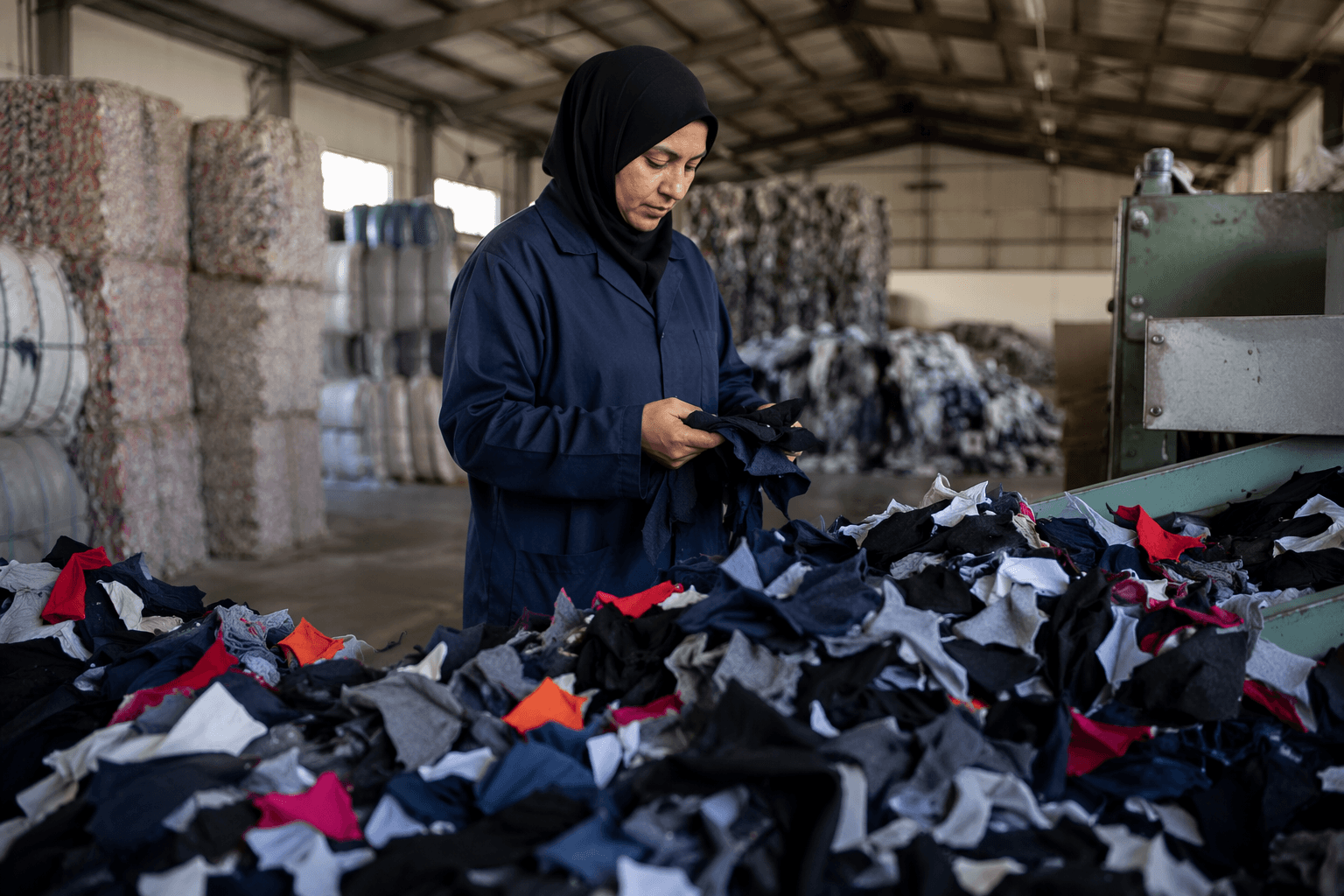
That export dependence is why the timing matters. As Brussels tightens sustainability, traceability, and recycled-content demands, Morocco has a narrow opening to pair recycling with manufacturing rather than letting used fiber leave the country for processing elsewhere. IFC’s roadmap is blunt about what has to change first: factory offcuts need to be treated as industrial by-products rather than waste, customs rules need to let brands transfer legal ownership of those materials to local manufacturers, and a national traceability platform needs to be built to align with the European Union’s incoming Digital Product Passport requirements.
The Morocco Textile Circularity advisory project, approved by IFC on February 10, 2024, runs through February 28, 2027 and has an estimated budget of $1,736,759. It builds on earlier IFC work in Tangier and on sector coordination with the Association Marocaine des Industries du Textile et de l’Habillement, the Ministry of Industry and Commerce, and support from the Government of Spain. The fashion takeaway is straightforward: Morocco can compete on recycled textiles, but only if it turns pilot chemistry into dependable spinning capacity, cleaner collection, and a traceable supply chain that European buyers can audit without hesitation.
This article was produced by Prism’s automated news system from verified source data, official records, and press releases, then run through automated quality and moderation checks before publishing. The system is built and supervised by the people who set the standards it runs under. Read our full AI policy.
Know something we missed? Have a correction or additional information?
Submit a Tip