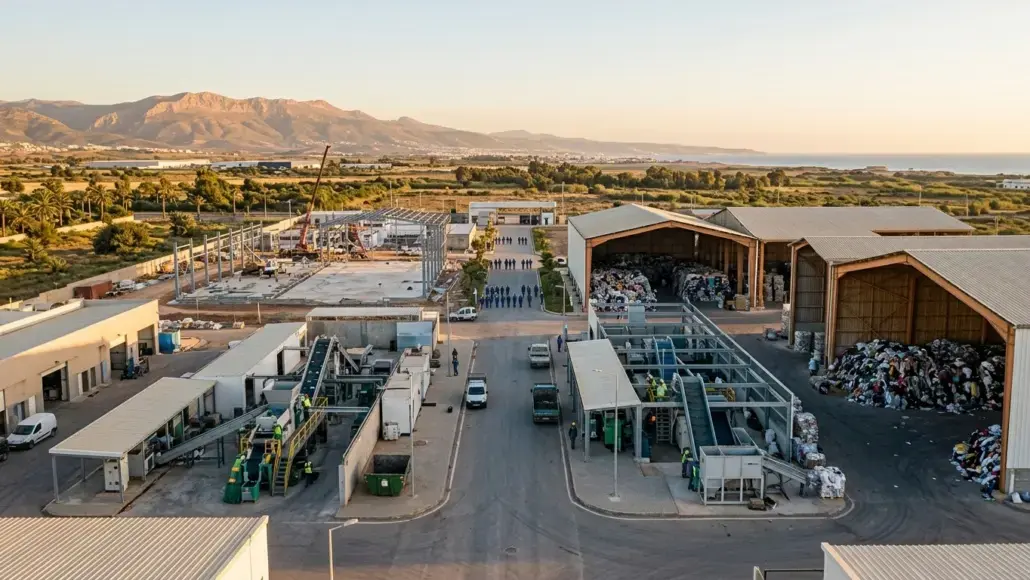
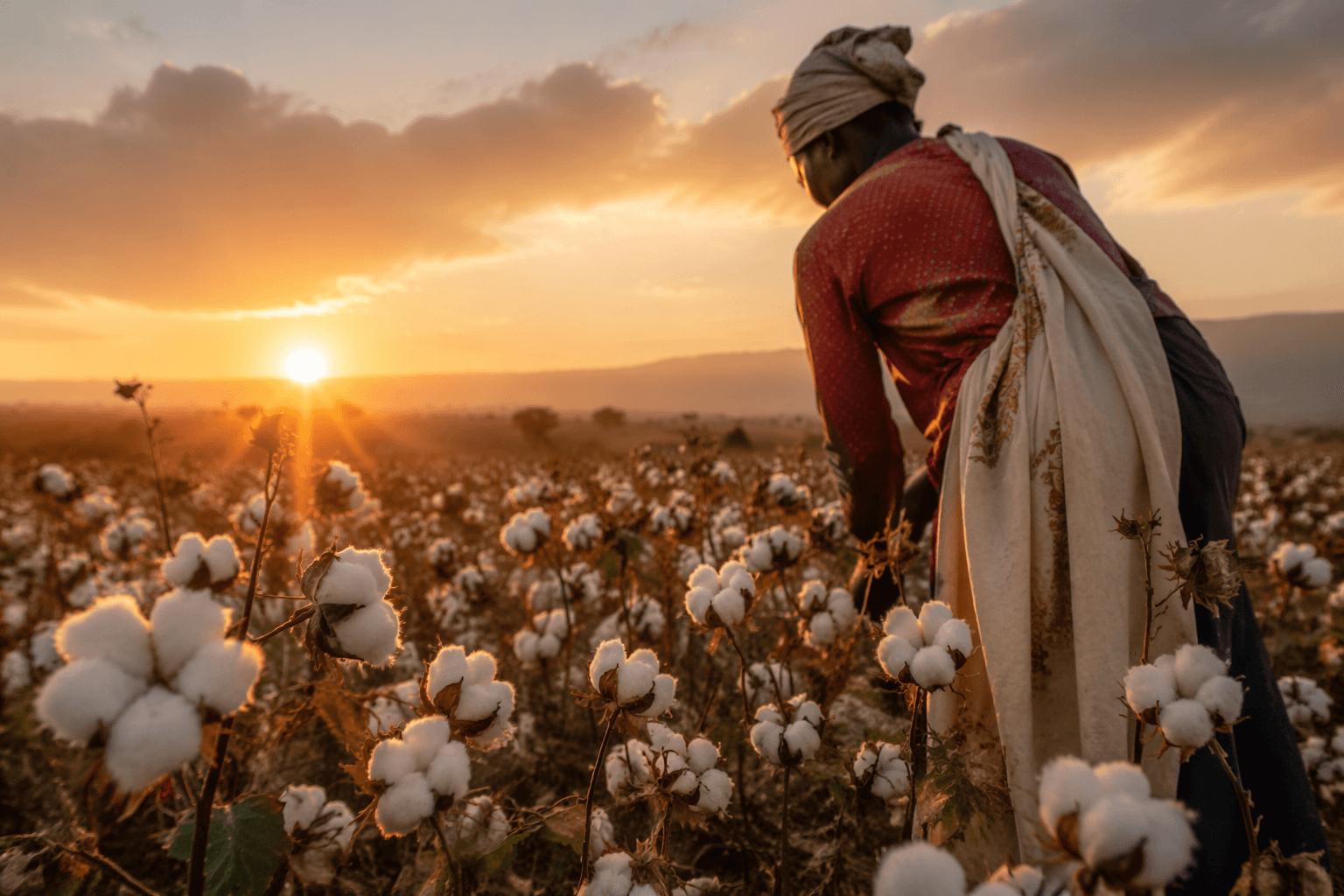
China tightens chemical registration rules, raising costs for textile supply chains
Overseas chemical firms may lose direct registration rights in China, forcing textile dyes, finishes, and auxiliaries through a costlier local compliance gate.
China is turning chemical registration into a local bottleneck, and that is bad news for every mill trying to move a new dye, coating, or finishing agent through the pipeline. Under the revised Measures for the Environmental Management Registration of New Chemical Substances, overseas firms would no longer be able to register directly, shifting power, cost, and legal responsibility onto China-based partners and downstream manufacturers.
The Ministry of Ecology and Environment opened public consultation on June 11, 2026, with comments due by July 12 and a planned effective date of August 15. That is the same day China’s Ecological Environment Code takes effect. The current regime, MEE Order No. 12, has governed new-chemical registration since January 1, 2021, but the draft is meant to bring the registration system in line with the new code and tighten source-control management for potential new pollutants.
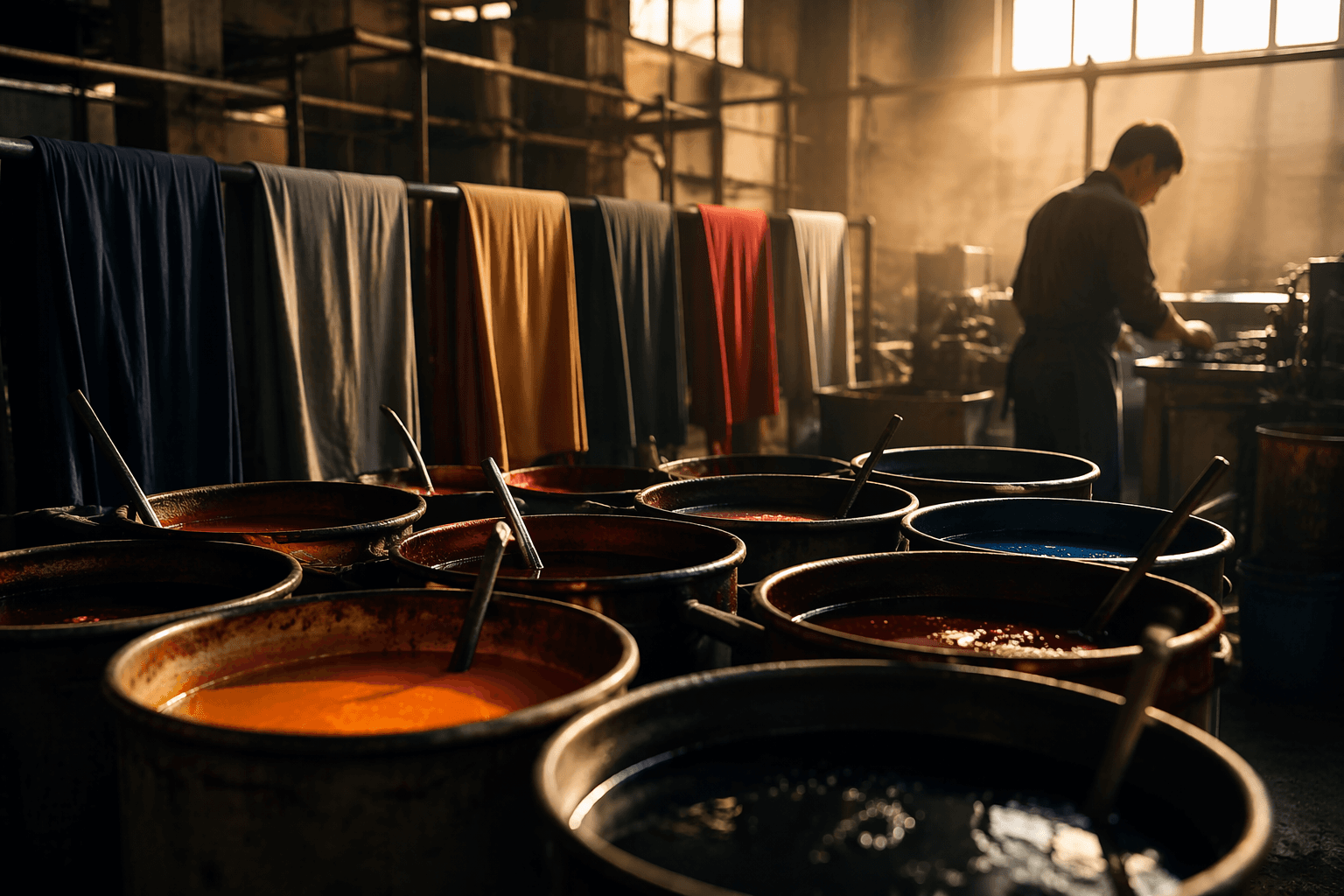
For fashion supply chains, the pressure lands on the unglamorous ingredients that make a garment look and feel finished: dyes, finishing agents, coatings, auxiliaries, and other inputs imported into China or newly formulated for the market. If those substances are not already in the Inventory of Existing Chemical Substances in China, they are treated as new, which can trigger more testing, more data sharing, and more representative-registration work. That is where the slowdown will show up first, long before a shopper notices a richer black, a crisper hand feel, or a more water-repellent surface on the garment rail.
The policy push did not appear out of nowhere. The State Council’s Action Plan on the Control of New Pollutants, issued on May 24, 2022, said toxic and harmful chemical production and use are major sources of new pollutants and called for full life-cycle environmental risk management. MEE says it consulted departments, local ecology and environment bureaus, industry associations, and companies while drafting the revision, and compliance specialists expect the overhaul to reshape registration entities, registration types, exemption scope, polymer management, and supply-chain responsibilities.
MEE also says it adjusted post-registration reporting, information protection, information transfer, supervision, and penalties. China regularly updates the IECSC with new batches of additions and changes, so the next sourcing decision may depend as much on a local representative and a clean paper trail as on price, performance, or color match.
This article was produced by Prism’s automated news system from verified source data, official records, and press releases, then run through automated quality and moderation checks before publishing. The system is built and supervised by the people who set the standards it runs under. Read our full AI policy.
Know something we missed? Have a correction or additional information?
Submit a Tip