Gap reaches sustainable cotton and recycled polyester goals
Gap says all its cotton is now from more sustainable sources and 65% of polyester is recycled, but the real test is whether supply-chain emissions keep falling.
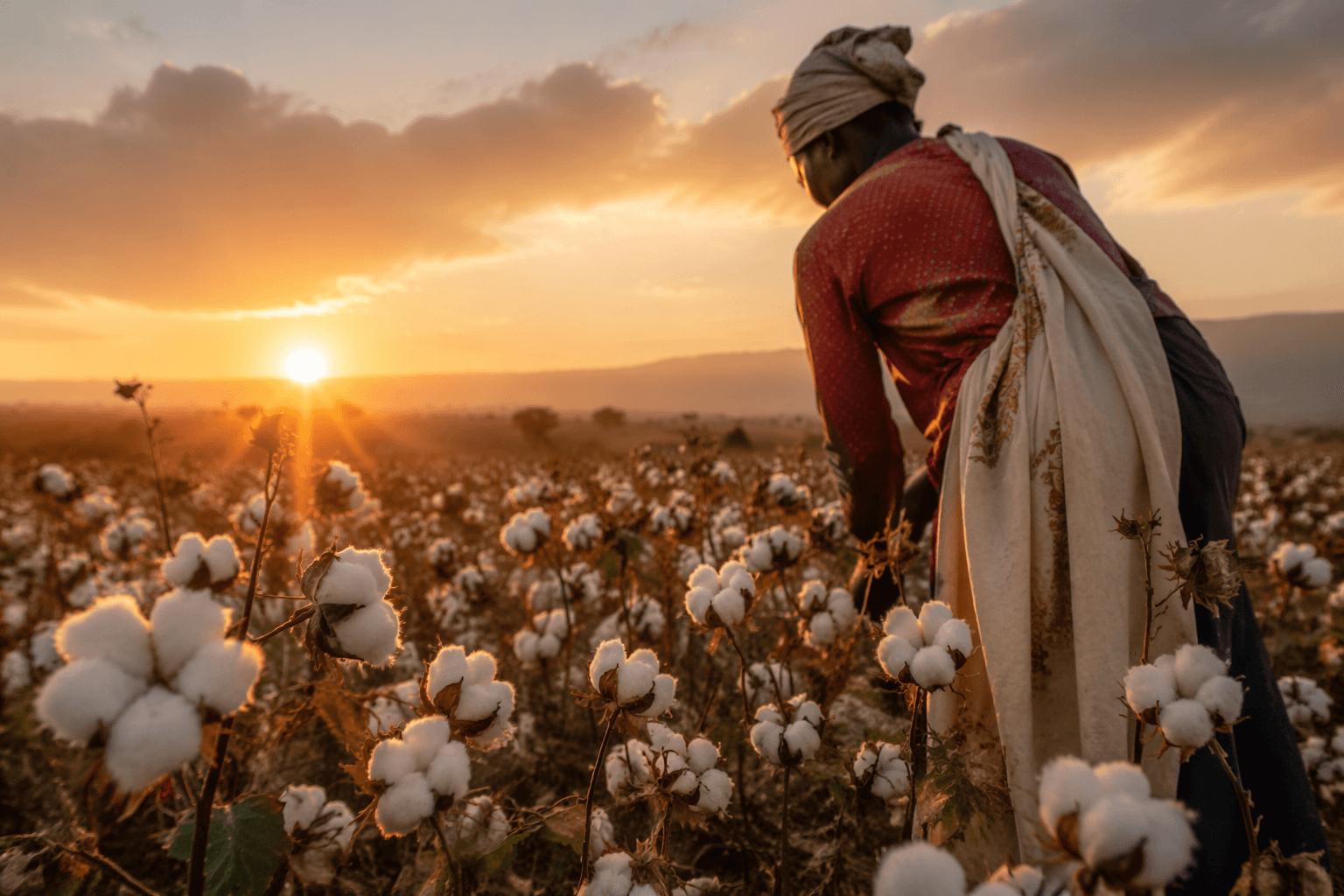
The easy part of fashion sustainability is getting the headline. The harder part is making a mass-market chain actually change what it buys, what it burns, and what it forces onto suppliers. Gap now says it has done the first part with 100% of its cotton from more sustainable sources and 65% recycled polyester across its product lines, while cutting combined Scope 1 and 2 emissions by 70% from a 2017 baseline.
That is not nothing. It is also the kind of milestone that deserves a sharper read than a celebratory press cycle. Cotton and recycled polyester are the cleanest wins in the playbook because they sit closest to the hanger, the tag, and the shopper’s eye. Gap first set its cotton goal in June 2019, when it said the brand would reach 100% sustainable cotton by 2021, Old Navy by 2022 and Banana Republic by 2023, then extended that promise across the company by 2025. Now it says its cotton mix includes Better Cotton Initiative cotton, verified U.S.-grown cotton, organic, in-conversion, recycled and regeneratively grown cotton, and that it exceeded Textile Exchange’s 2025 rPET challenge.
The tougher question is what remains after the easy wins. Gap’s 2025 Impact Report says 46% of the electricity used in direct operations came from renewable sources, but the company is still targeting net zero across its value chain by 2050. That is where the mess lives: mills, dye houses, freight, and the fossil-heavy material system that still powers most apparel at scale. Cutting Scope 1 and 2 emissions is real progress, but for a retailer of this size, the hard-to-abate work is still waiting in Scope 3.
There are signs Gap is pushing beyond fiber swaps. The company says 86% of supplier business spend was allocated to green-rated facilities, 100% of strategic Tier 1 facilities invested in its RISE worker-training program, and nearly 113,000 workers were reached in 2025. Gap also says it has reached 2.8 million people with improved access to clean water and sanitation since 2017, and replenished 39% of freshwater withdrawals across its supply chain to nature last year. In January 2026, Gap joined Water.org, Amazon, Starbucks and Ecolab in launching Get Blue, then tied a limited-edition collection to the campaign.
This is Gap Inc.’s 22nd year of impact reporting, and it lands alongside fiscal 2024 net sales of $15.1 billion and a turnaround under chief executive Richard Dickson. Dickson said the company “met the moment” in a “remarkably dynamic year for the apparel industry.” The moment now is bigger than a target sheet: it is whether Gap can turn these fiber wins into durable decarbonization instead of the neatest possible version of sustainability arithmetic.
This article was produced by Prism’s automated news system from verified source data, official records, and press releases, then run through automated quality and moderation checks before publishing. The system is built and supervised by the people who set the standards it runs under. Read our full AI policy.
Know something we missed? Have a correction or additional information?
Submit a Tip