CANAINTEX launches sustainability consulting for Mexico’s textile mills
CANAINTEX’s new service gives member mills ESG diagnostics and regulatory help as US and EU buyers demand cleaner, traceable supply chains.

Mexican textile mills are being asked to prove everything at once: where fibers came from, how water was used, which chemicals stayed out of the bath, and whether the paperwork can survive a buyer audit in the United States or European Union. CANAINTEX is responding with something far less glamorous than a runway trend but far more useful to a factory floor: hands-on sustainability consulting for member companies.
The chamber launched the service on June 5, 2026, and it is available only to affiliated companies. Led by Reina Elizabeth Haro Torralba, CANAINTEX’s coordinator of sustainability and SDGs, the program offers strategic ESG diagnostics, guidance on the Sustainable Development Goals with measurable indicators, and advice on national and international environmental regulations. In practice, that means help with the unglamorous work that decides whether a shipment moves or stalls: audit readiness, traceability systems, and the documentation that increasingly sits between Mexican suppliers and export orders.
CANAINTEX has made its case bluntly. Sustainability, the chamber says, is no longer a future-facing CSR flourish but a present-day market requirement, a “pilar estratégico” for competitiveness and permanence. The service is built around three priorities that map neatly onto the industry’s pressure points: circular economy, traceability, and efficiency. For mills juggling margins, those are not abstract ideals. They are the difference between cleaner production and costly noncompliance.
The timing is not accidental. Under new president Rafael Torre Lamuño, CANAINTEX has emphasized competitiveness, legality, and the recovery of Mexico’s domestic market. The chamber says the textile sector was treated as a priority in Plan México 2025-2030, which aims to raise national content to 50 percent and bring back thousands of jobs. It also says it helped secure changes to the IMMEX regime affecting more than 300 tariff lines, tightening controls on temporary imports of finished textile and apparel goods and pushing traceability higher up the agenda.
That matters in a sector CANAINTEX says supports more than 1.1 million jobs. It also matters because the compliance bar is rising abroad just as Mexican suppliers face more scrutiny at home. The chamber has said US and EU market requirements are tightening, with Europe continuing to press in 2026 on circularity, product claims, and transparency. Since 2019, CANAINTEX has also worked on the project “Mejorando la Sustentabilidad de la Industria Textil Mexicana” with researchers from UNAM and the University of Twente, a sign that the chamber is trying to turn academic analysis into operational muscle.
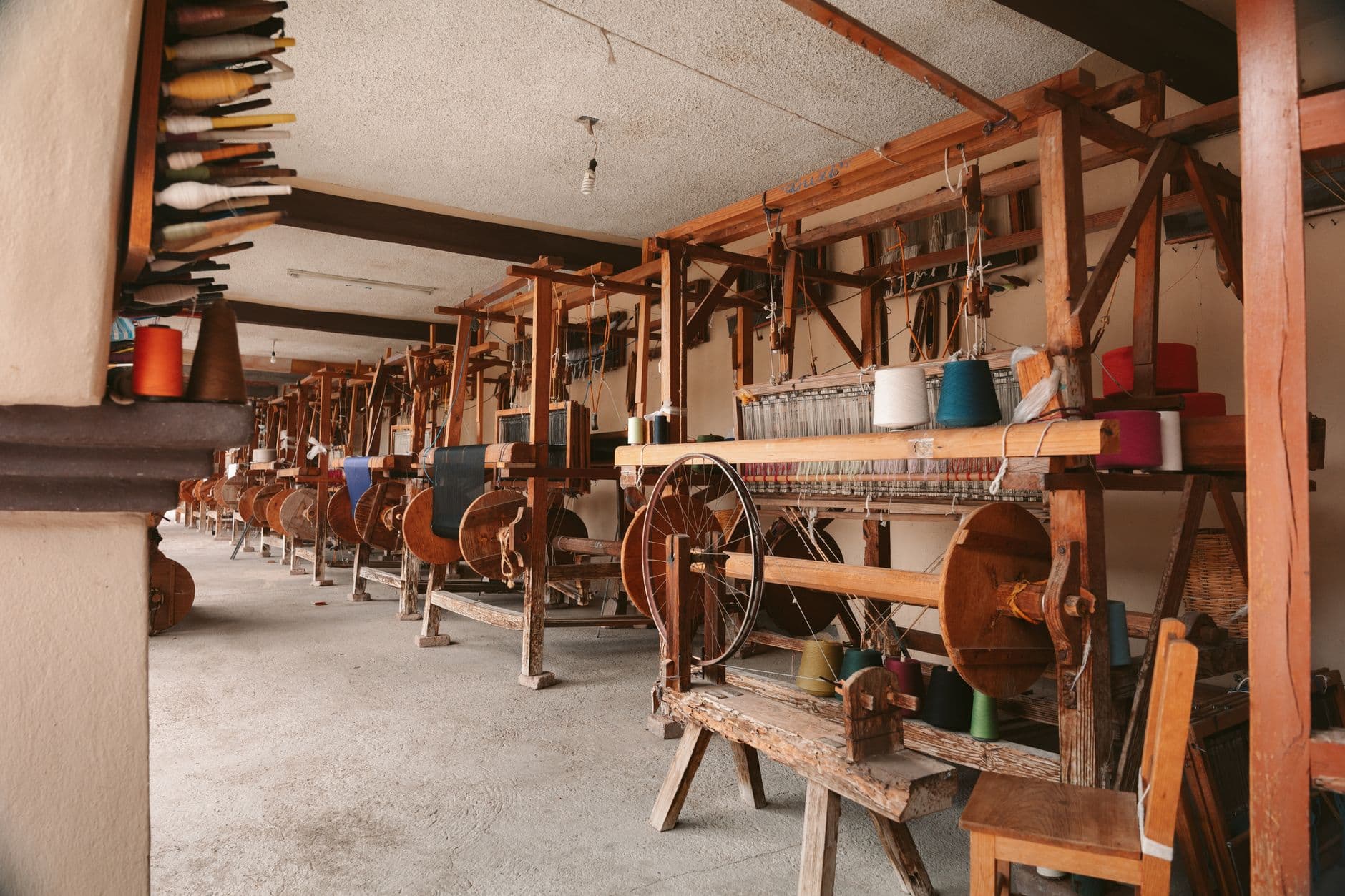
For Mexican mills, that is the real story here: sustainability is no longer a finish applied at the end of production. It is becoming part of the machinery that keeps the industry export-ready at all.
This article was produced by Prism’s automated news system from verified source data, official records, and press releases, then run through automated quality and moderation checks before publishing. The system is built and supervised by the people who set the standards it runs under. Read our full AI policy.
Know something we missed? Have a correction or additional information?
Submit a Tip