750 Target garment workers in Guatemala win nearly $6 million payout
More than 750 Target garment workers in Guatemala recovered nearly $6 million after KOA Modas closed, a record back-pay settlement in Central America.
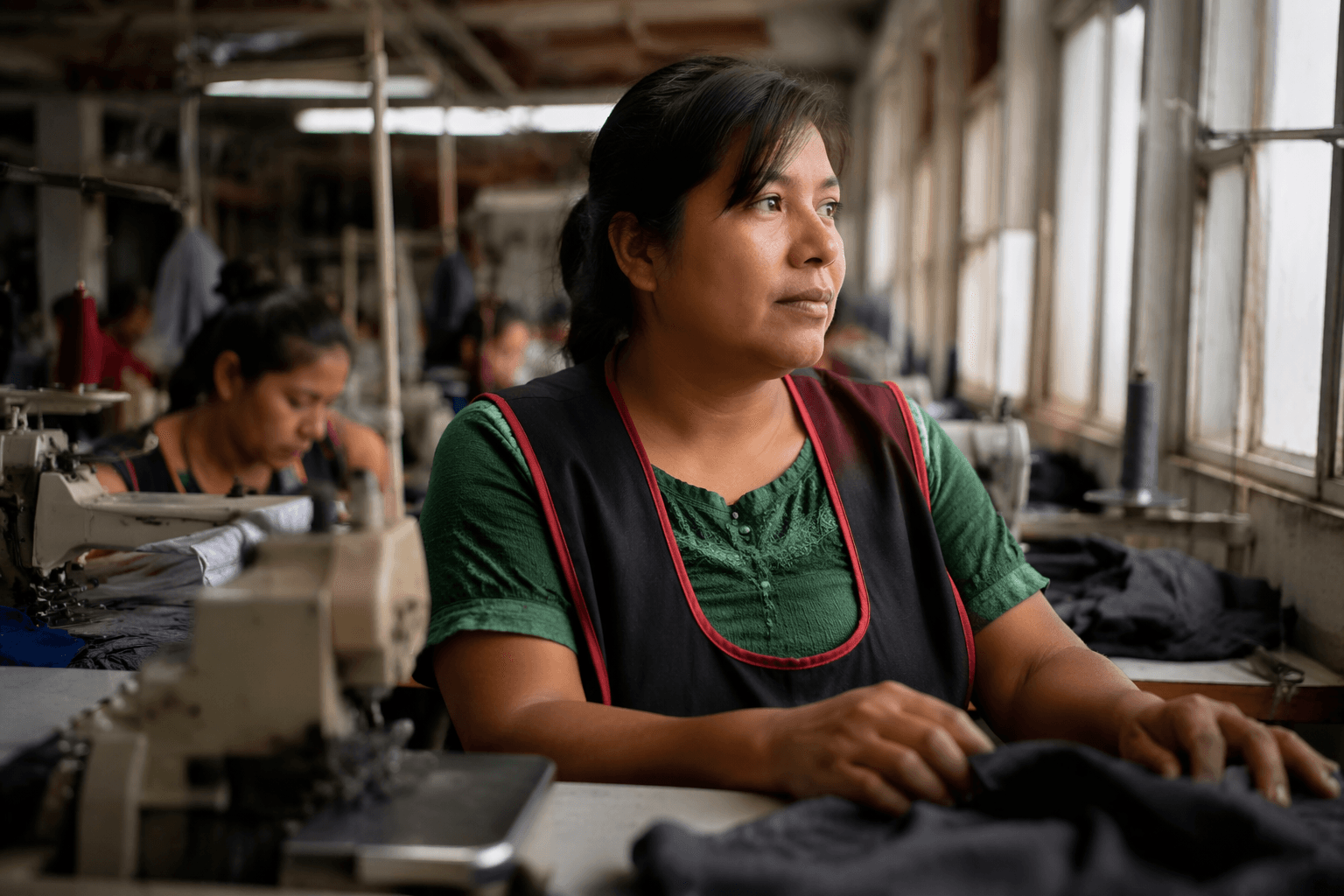
More than 750 garment workers at KOA Modas in Guatemala have received close to $6 million in owed wages and severance, a payout the Worker Rights Consortium says is the largest single-factory back-pay recovery ever secured for garment workers in Central America. The plant shut down in February 2025, leaving workers without legally required severance and with unpaid wages still hanging over the final paycheck.
The money covers about $460,000 in unpaid wages and more than $5 million in severance, with the settlement funded by SAE-A Global Trading, a major Korean apparel group and a Target sourcing partner. KOA Modas had been making private-label apparel for Target as early as 2015, and many of the workers had spent more than a decade on the factory floor before the shutdown. The recovery covered about 95 percent of what they were owed, with the average payout amounting to nearly a year and a half of wages.
The case matters because it shows how labor pressure, not goodwill, forced a cleanup of the supply chain. The Worker Rights Consortium investigated the violations, worked with worker representatives and pressed the company behind the factory’s production chain to pay up. In sustainability terms, this was the accountability mechanism that fast-fashion shoppers almost never see: a closed plant, a global brand’s supplier, and a labor watchdog translating a legal promise into actual cash for workers who had been left behind.
Guatemala’s garment sector has long been defined by low wages, punishing quotas and weak union protection. A 2025 CNN investigation cited by the Business and Human Rights Centre said the country has more than 850 textile maquilas, but only 76 allow a workers’ union. Against that backdrop, the KOA Modas payout lands as more than a settlement. It is a test of whether supply-chain justice can survive once a factory shutters and the people who stitched the clothes are no longer visible.
The case also builds on an earlier Target-linked example in Guatemala, when the Worker Rights Consortium said JNB Global compensated seven unlawfully fired workers and restored severance and seniority rights for the factory’s full workforce of 400 after intervention. That precedent matters because it suggests the KOA Modas recovery was not a one-off rescue, but part of a narrower, harder model for enforcing labor rights inside branded apparel supply chains.
This article was produced by Prism’s automated news system from verified source data, official records, and press releases, then run through automated quality and moderation checks before publishing. The system is built and supervised by the people who set the standards it runs under. Read our full AI policy.
Know something we missed? Have a correction or additional information?
Submit a Tip