Study finds recycled polyester still has major tradeoffs
Virgin polyester is still a fossil-fiber mess, but the new assessment says recycled polyester is no free pass, with electricity, chemicals and feedstock limits still biting.
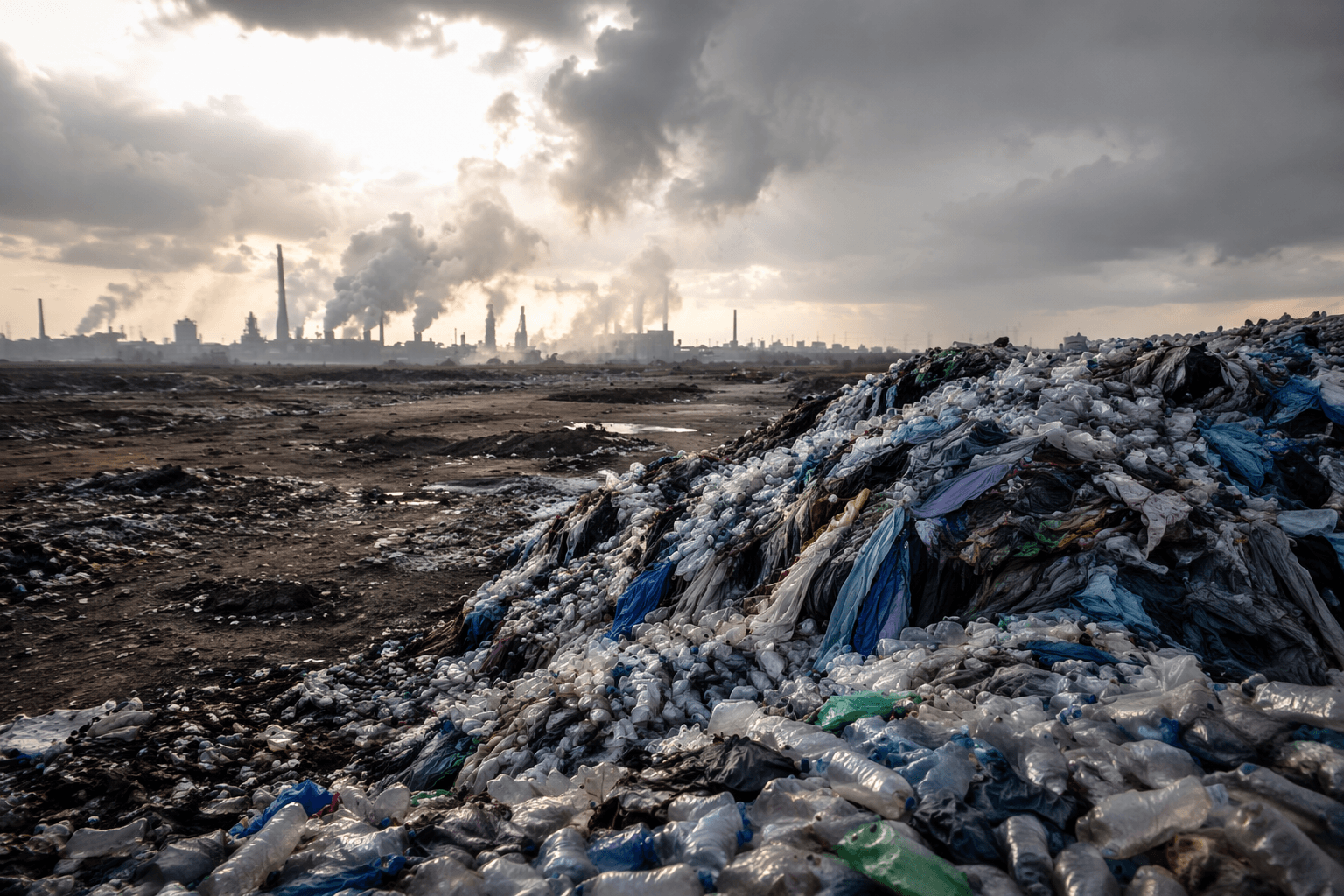
Textile Exchange and SCS Consulting Services released a new polyester life-cycle assessment on June 11, 2026, and it slices through one of fashion’s laziest talking points: recycled polyester is not the clean reset the industry keeps selling. The cradle-to-gate study, reviewed by an independent expert panel and built to ISO 14044:2006 standards, looks at virgin polyester, thermomechanical recycling and chemical recycling, then drags each route into the light with the same unglamorous verdict: every version still carries real tradeoffs.
The dataset is unusually deep for a material this common. Researchers used 2022 to 2024 production data from five PET producers across Europe, the United States, Southeast Asia and China, and Textile Exchange says the work fills major gaps in polyester LCA data. The biggest one is Southeast Asia, where the organization says more than half of the world’s virgin PET is made and where this study provides the first known publicly available virgin PET production data. That matters because polyester is not some niche textile experiment. It is the backbone of fast fashion, performance gear and all those slick, drapey basics brands love to call responsible.
The findings break down the mess by route. For virgin polyester, the heaviest impacts come from monoethylene glycol, purified terephthalic acid and dimethyl terephthalate, plus the electricity and heat needed to turn petrochemical feedstocks into fiber. Recycled routes are not innocent either. In thermomechanical recycling, electricity use and the collection and transport of waste feedstock drive the impact. In chemical recycling, electricity and heat again loom large, along with input chemicals such as methanol. That means recycling still depends on power grids, chemical inputs and logistics networks that can be anything but clean.
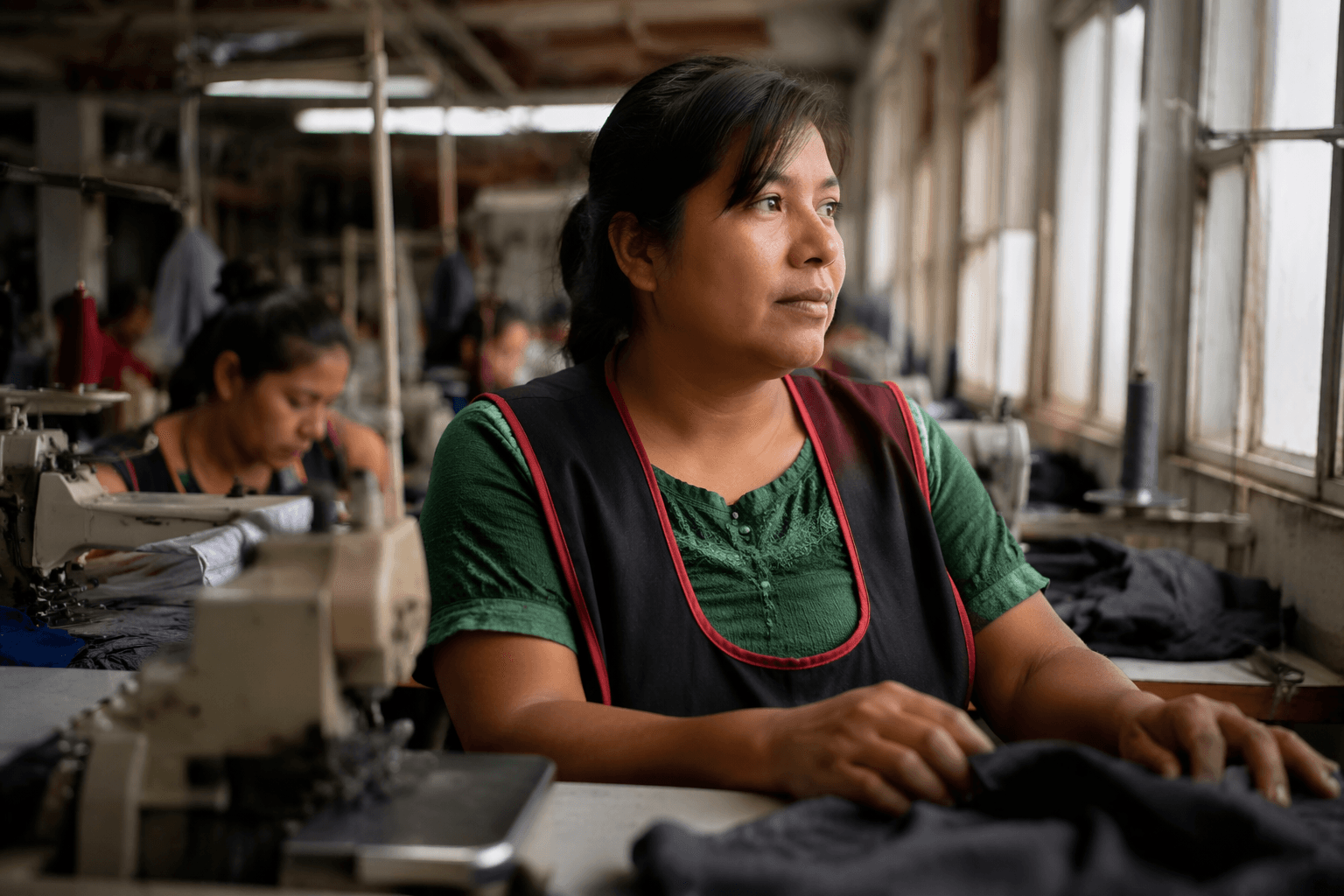
Textile Exchange also widened the lens beyond emissions and waste. The organization says polyester production can hit workers and surrounding communities hard, and this assessment adds a social and human-rights layer to the environmental analysis. The study also measures climate change, acidification, ecotoxicity, photochemical ozone formation and human toxicity, which is a sharper read than the usual feel-good recycled tag on a hangtag.
Beth Jensen called the assessment a significant update to polyester LCA data, and Adam Gardiner said brands and recyclers now have more credible, up-to-date information. Textile Exchange is positioning the polyester work as the second study in a planned seven-part LCA series, following its cotton LCA in March 2026, and its advice to brands is blunt: build recycling collection, sorting and infrastructure, improve traceability and stop leaning so hard on virgin fossil-based inputs. Recycled polyester can be an improvement, but only when the system behind it is actually built to absorb waste instead of dressing up dependence in greener syntax.
This article was produced by Prism’s automated news system from verified source data, official records, and press releases, then run through automated quality and moderation checks before publishing. The system is built and supervised by the people who set the standards it runs under. Read our full AI policy.
Know something we missed? Have a correction or additional information?
Submit a Tip