Brazil fast-tracks forced-labor import ban amid U.S. tariff pressure
Brazil moved to widen its forced-labor import ban just as Washington threatened 10% or 12.5% tariffs on countries it says still fail to police tainted imports.
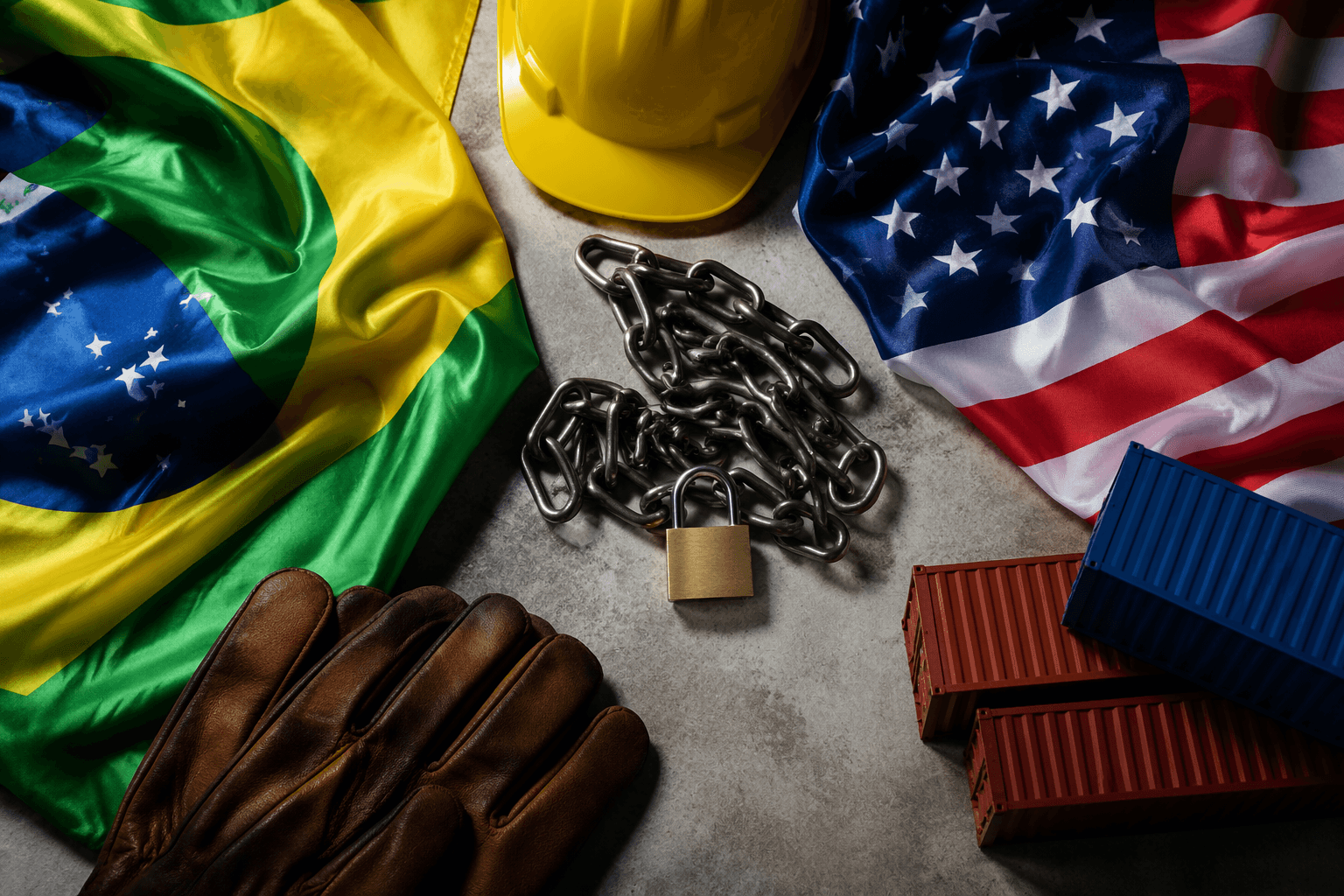
Brazil’s Chamber of Deputies just moved a decade-old cocoa bill into something much bigger: a ban on importing and selling any product or raw material when forced, compulsory or child labor is confirmed in production. The shift landed last week, and the timing is impossible to ignore, with Washington turning up the heat at the same moment.
On June 2, 2026, the U.S. Trade Representative said 60 economies had failed to impose and effectively enforce forced-labor import prohibitions and floated additional duties of 10% or 12.5%. Brazil answered on June 3 with a blunt rejection, calling the conclusion a broad and unfair penalty on 59 countries and the European Union. For a fashion industry already living inside customs forms, supplier audits and origin tracing, that kind of tariff pressure is not abstract. It reaches straight into the margins of brands that depend on complicated, multi-country sourcing.
The bill now heads beyond its original frame. First introduced in 2015, it was designed to restrict cocoa and cocoa derivatives linked to forced labor. The new language would widen the net across categories, prohibiting both import and domestic market placement when forced, compulsory or child labor is confirmed anywhere in the production chain. That is a much sharper tool for due diligence, and one that could force importers to map suppliers beyond the usual glossy compliance deck.
Brazil is not starting from zero. The country was recognized in 2025 as a Pathfinder/Pioneer country under Alliance 8.7, and the U.S. Department of Labor said Brazil made moderate advancement in 2024 to eliminate the worst forms of child labor. In that same reporting cycle, Brazil’s Ministry of Labor and Employment published two updates to the national Dirty List, adding 424 new employers, and the Special Group removed 472 children from child-labor situations.
The legal backdrop is unusually broad. Brazilian law defines slavery-like conditions not just as forced labor, but also as debt bondage, degrading working conditions and exhaustive hours. A 2014 constitutional amendment, approved after 19 years in Congress, gave the government power to expropriate properties where slave-like labor is found. That makes the current bill look less like a sudden conversion and more like a system already built to punish abuse, now being pushed harder under trade threat.
For fashion and consumer goods, the compliance shift is real. Cocoa is still the political entry point, but the expanded bill would force brands and importers to treat labor risk as a border issue, not just a sustainability talking point. Whether that produces stronger worker protections or mostly export-facing optics will depend on enforcement, not press releases.
This article was produced by Prism’s automated news system from verified source data, official records, and press releases, then run through automated quality and moderation checks before publishing. The system is built and supervised by the people who set the standards it runs under. Read our full AI policy.
Know something we missed? Have a correction or additional information?
Submit a Tip