Pingree pushes USDA to expand cotton plan to natural fibers
Pingree wants USDA’s new cotton push to cover hemp, flax, wool, alpaca and leather. The real test is whether that is sustainability or farm policy in a greener coat.
Rep. Chellie Pingree wants USDA to widen its new cotton push to hemp, flax, wool, alpaca and leather.
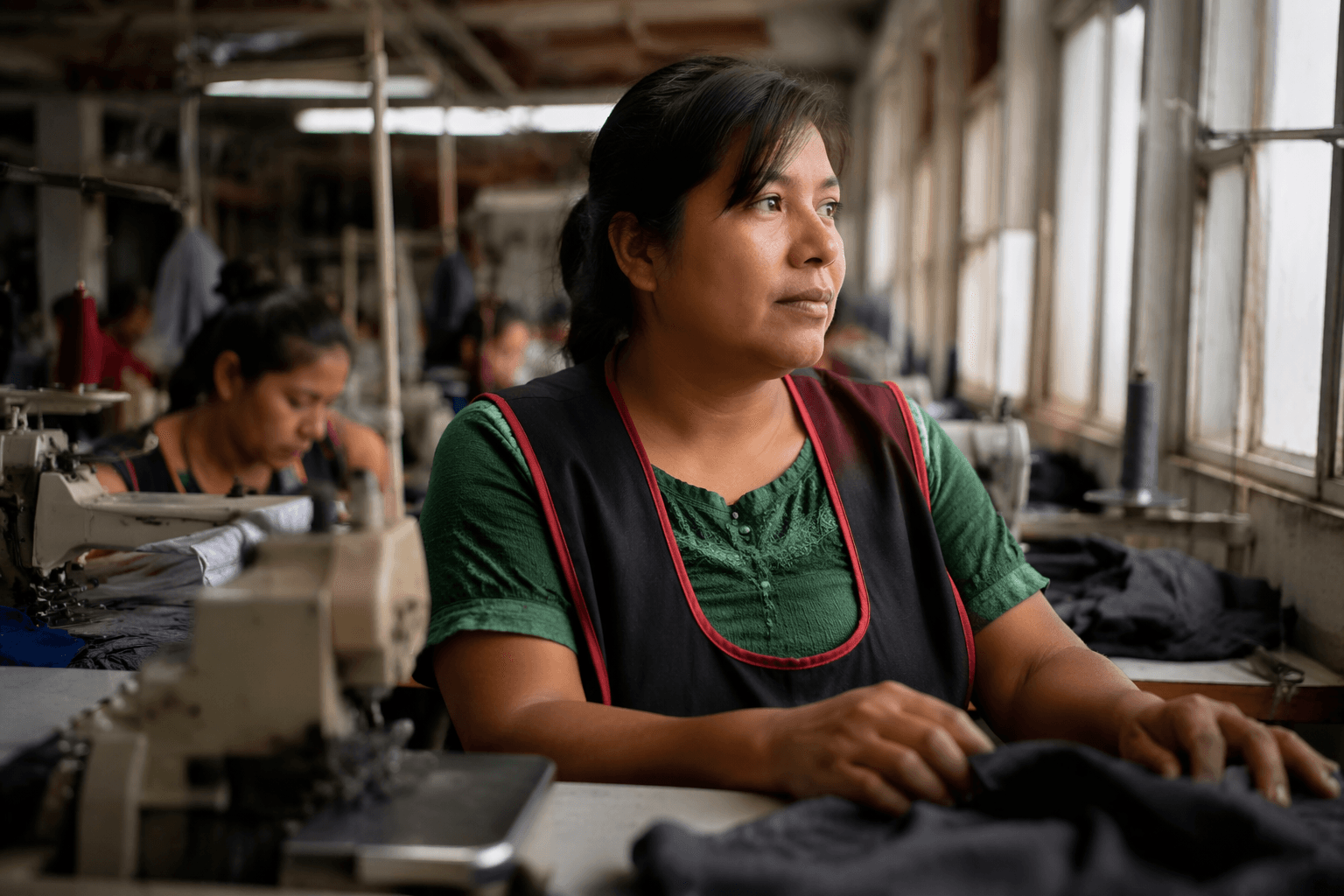
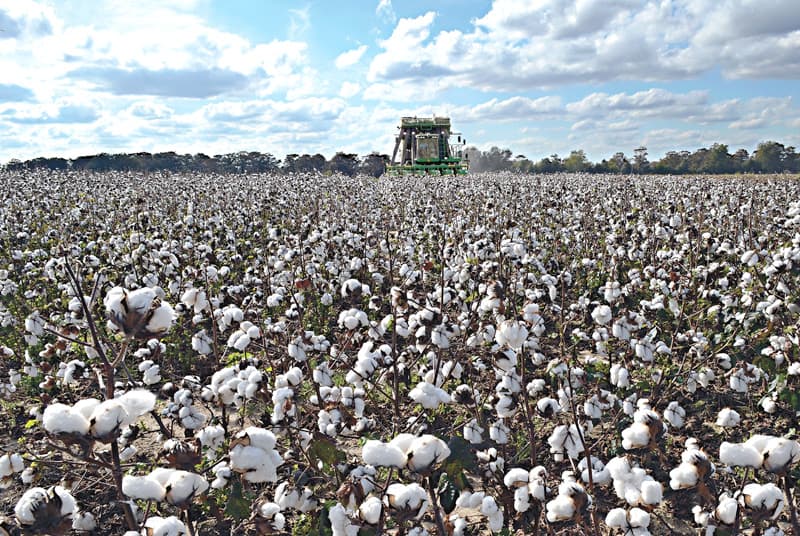
Pingree’s June 18 letter to Agriculture Secretary Brooke Rollins asked the department to build on the Great American Cotton Plan and share the programs, authorities and data that could support domestic natural-fiber production and processing. USDA’s May 28 rollout aimed at strengthening the cotton farm economy, restoring domestic textile manufacturing, expanding cotton trade opportunities and increasing demand for American-grown cotton.
USDA says growers are facing a fifth consecutive year of negative returns and could lose about $2.6 billion across 9 million planted acres in the upcoming crop year. It also says the United States lost its spot as the world’s top cotton exporter to Brazil in 2023, and the number of U.S. cotton gins has dropped from 2,254 in 1980 to 446. USDA estimates that every $1 generated at the cotton farm gate creates about $15 in direct economic activity across related industries.
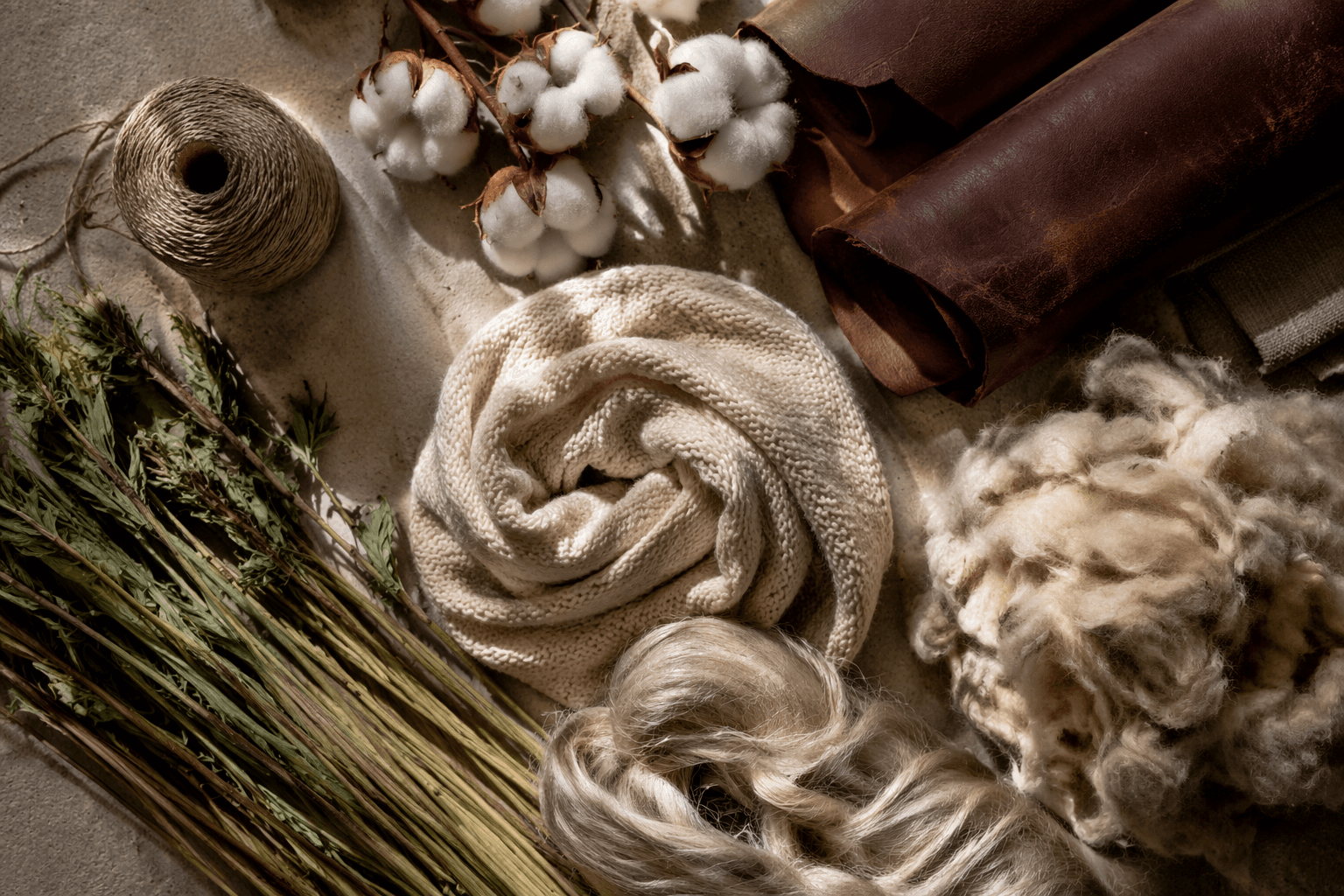
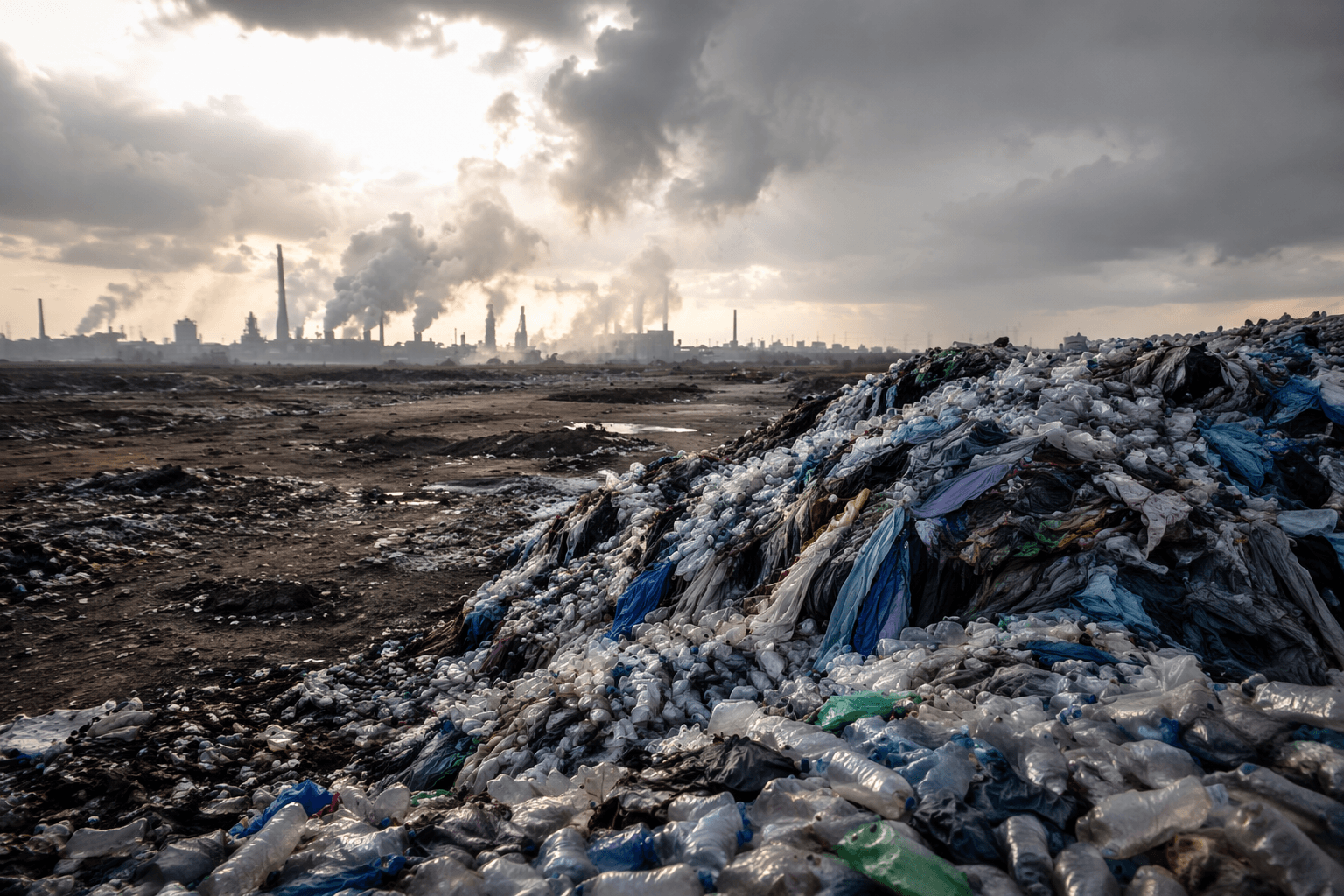
Her letter argues that global trends have made textile and apparel production outside the U.S. less economical, and that hemp, flax, wool, alpaca and leather all fit USDA’s mission areas, from farm production and conservation to rural economic opportunity and marketing U.S. agricultural products. Hemp and flax can look lower-impact on paper than fossil-fuel synthetics, but only if domestic systems exist to turn stalks and fibers into fabric instead of shipping raw material elsewhere. Wool and alpaca bring different baggage: land use, animal welfare and the chemical burden of scouring and finishing. Leather is the messiest of the group, because it is tied to livestock systems that carry methane and pasture questions before the hide even reaches a tannery.
In September 2024, Pingree and seven other Democrats made a similar case to then-USDA Secretary Tom Vilsack. The 2024 letter used 2022 data showing synthetics such as polyester made up about 65 percent of global fiber production, and USDA now says nearly 70 percent of the world’s textile fibers are synthetic. USDA is also elevating its “Plant Not Plastic” campaign and backing the bipartisan Buying American Cotton Act, while administration officials have lined up behind the cotton plan.
This article was produced by Prism’s automated news system from verified source data, official records, and press releases, then run through automated quality and moderation checks before publishing. The system is built and supervised by the people who set the standards it runs under. Read our full AI policy.
Know something we missed? Have a correction or additional information?
Submit a Tip