ABB and Syre Team Up to Scale Textile Recycling in Vietnam
ABB's March 31 MoU with Syre targets 150,000 metric tons of circular polyester yearly at a ~$1B Vietnam plant due to break ground in 2027.
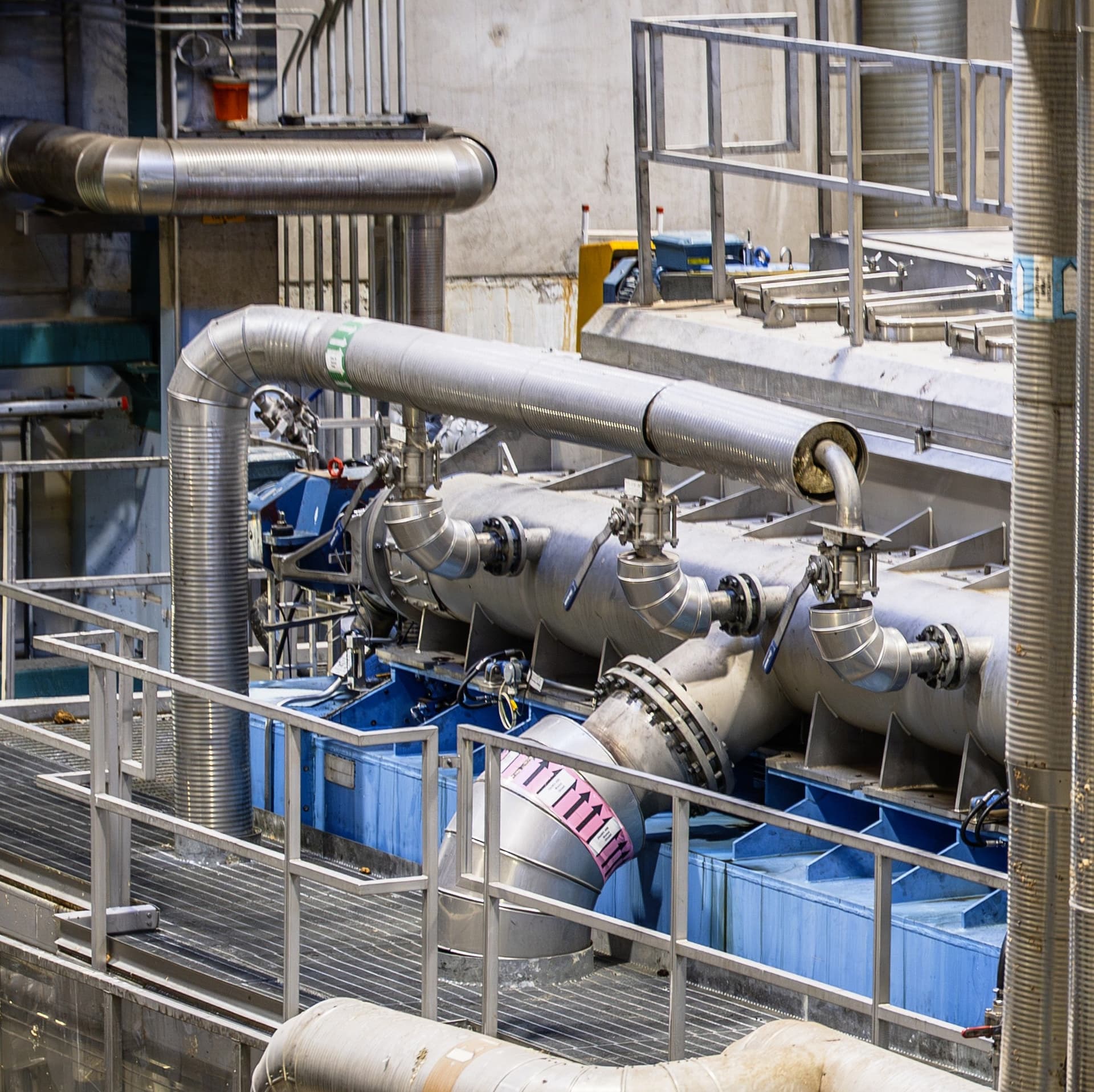
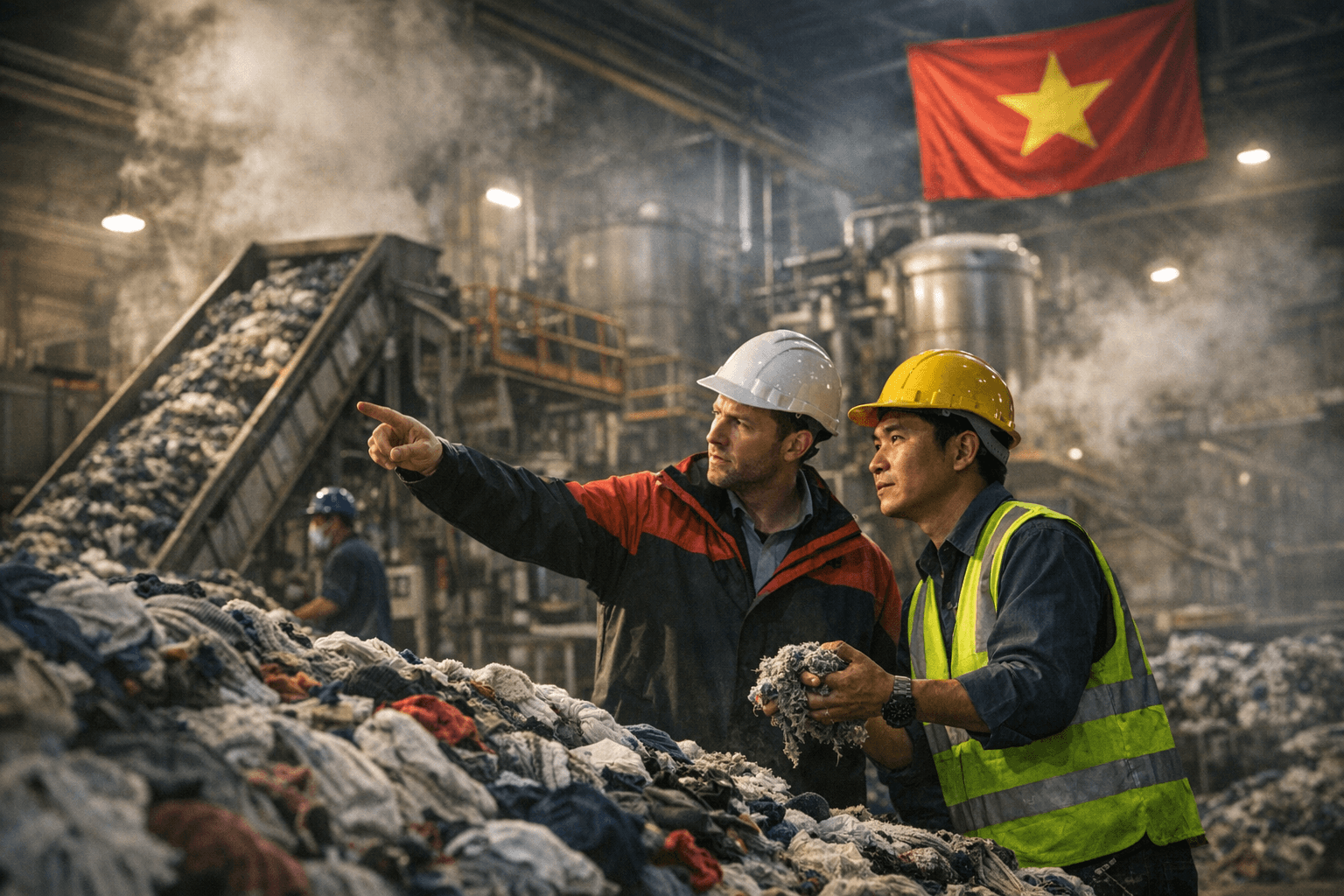
At 150,000 metric tons of circular polyester per year, Syre's planned facility in Gia Lai province, Vietnam requires industrial infrastructure, not pilot-plant assumptions. ABB closed that gap on March 31, signing a memorandum of understanding with the Swedish recycler to apply its distributed control systems, electrification portfolio, and digital industrial software to a roughly $1 billion project scheduled to begin construction in 2027.
The collaboration is framed as an exploratory technical assessment running alongside Syre's detailed engineering phase for the Gia Lai site. What ABB brings is not chemical expertise but the engineering muscle that determines whether a recycling plant can operate at consistent quality, high uptime, and competitive cost once it scales beyond the lab. "This agreement reflects ABB's role in supporting emerging industrial applications where automation and electrification can enable greater resource efficiency," said Wilson Monteiro of ABB.
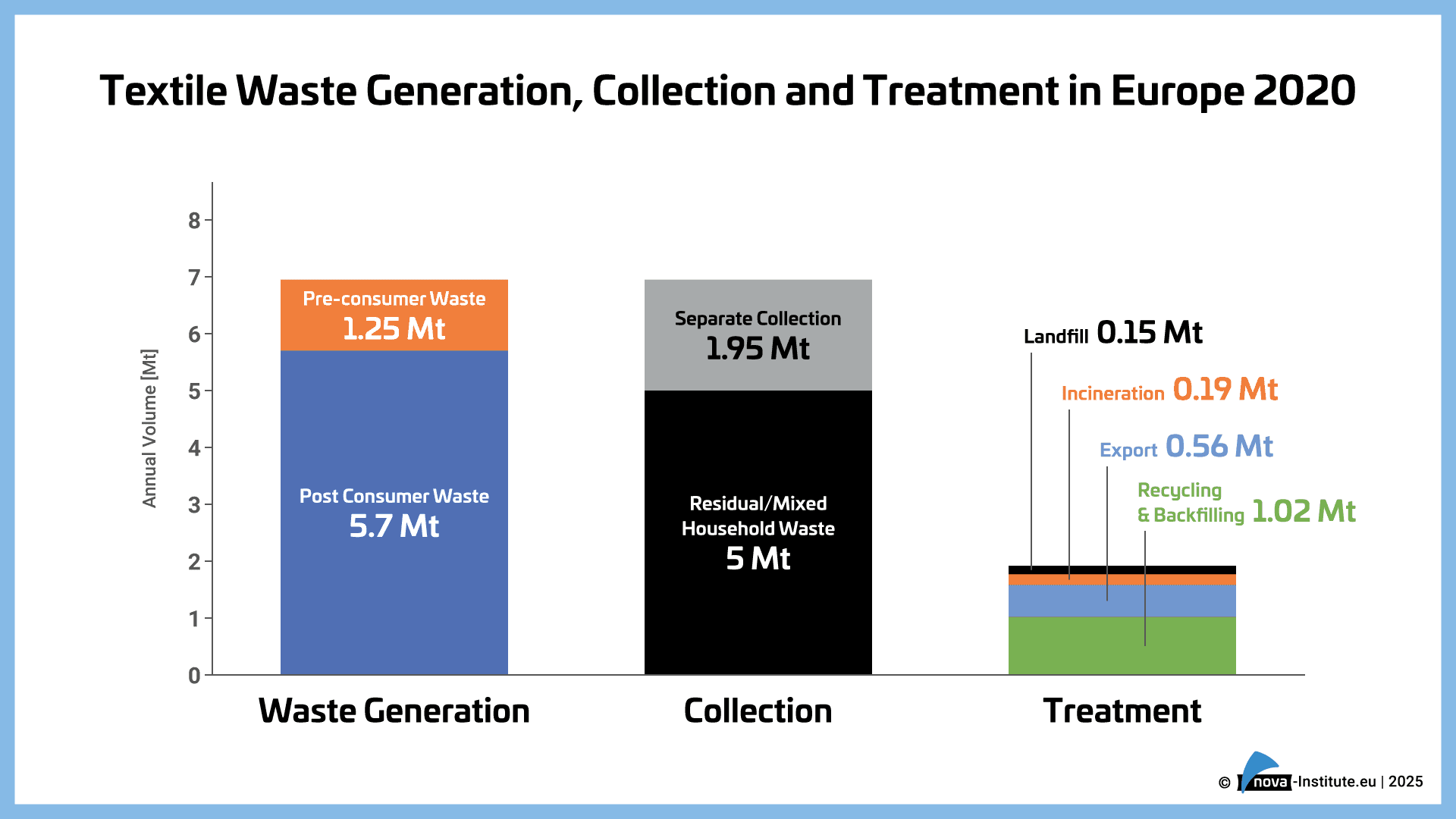
There are four variables that will determine whether this MoU translates into working capacity. Feedstock sourcing is the most precarious: to run at full speed, the plant will need more than 300,000 metric tons of post-consumer material to keep its machines humming. Vietnam restricts imports of used clothing, meaning domestic collection alone could supply only around 10 percent of that requirement. Syre's CEO Eric Nobelius has confirmed that discussions with the Vietnamese government are ongoing to resolve the import restriction before construction begins.
Process contamination tolerance is the second pressure point. Syre's glycolysis-based approach converts polyester waste into high-quality BHET monomers for repolymerizing into new yarn. Blended fabrics and non-polyester contaminants degrade monomer purity and yield at scale, making ABB's process control systems critical to consistent output. On energy intensity, electrification choices made during engineering will shape both the plant's carbon footprint and its operating economics; Syre's recycled polyester reduces CO2 emissions by up to 85 percent compared to oil-based virgin polyester production.
The offtake picture offers the clearest signal that this project has commercial traction. H&M Group, Nike, Gap Inc., and Target have already secured enough high-profile strategic commitments to help unlock new financing for the first commercial-scale plant. Nike went further in November 2025, naming Syre its lead strategic supplier for textile-to-textile recycled polyester, with plans to integrate cPET into core performance lines over the coming years. Multi-year purchasing commitments of this kind are how chemical recyclers convert engineering ambition into construction capital.
By 2032, Nobelius has set a target of 10 to 12 gigascale production plants running at full capacity, collectively producing 3 million metric tons of cPET per year. The Gia Lai plant is where that blueprint gets pressure-tested against contaminated feedstock, energy costs, and the reality of industrial-scale process control. Everything else, for now, is a number on a slide deck.
This article was produced by Prism’s automated news system from verified source data, official records, and press releases, then run through automated quality and moderation checks before publishing. The system is built and supervised by the people who set the standards it runs under. Read our full AI policy.
Did this article answer your question?