Affordable Sustainable Brands for Building a Low-Impact Basics Wardrobe
Five affordable brands can cut your wardrobe's footprint without the premium price tag, if you know which certifications and fabrics actually matter.
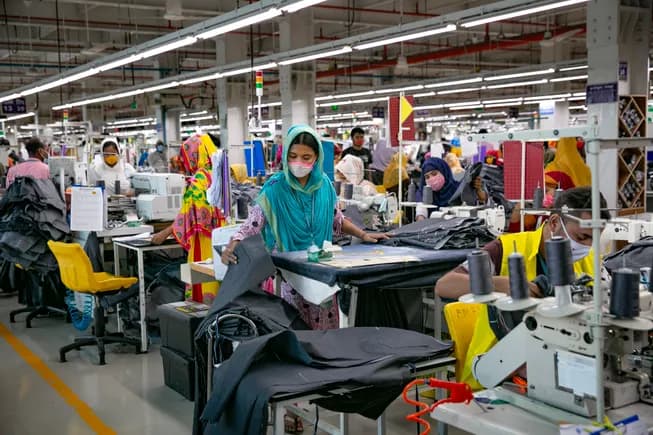
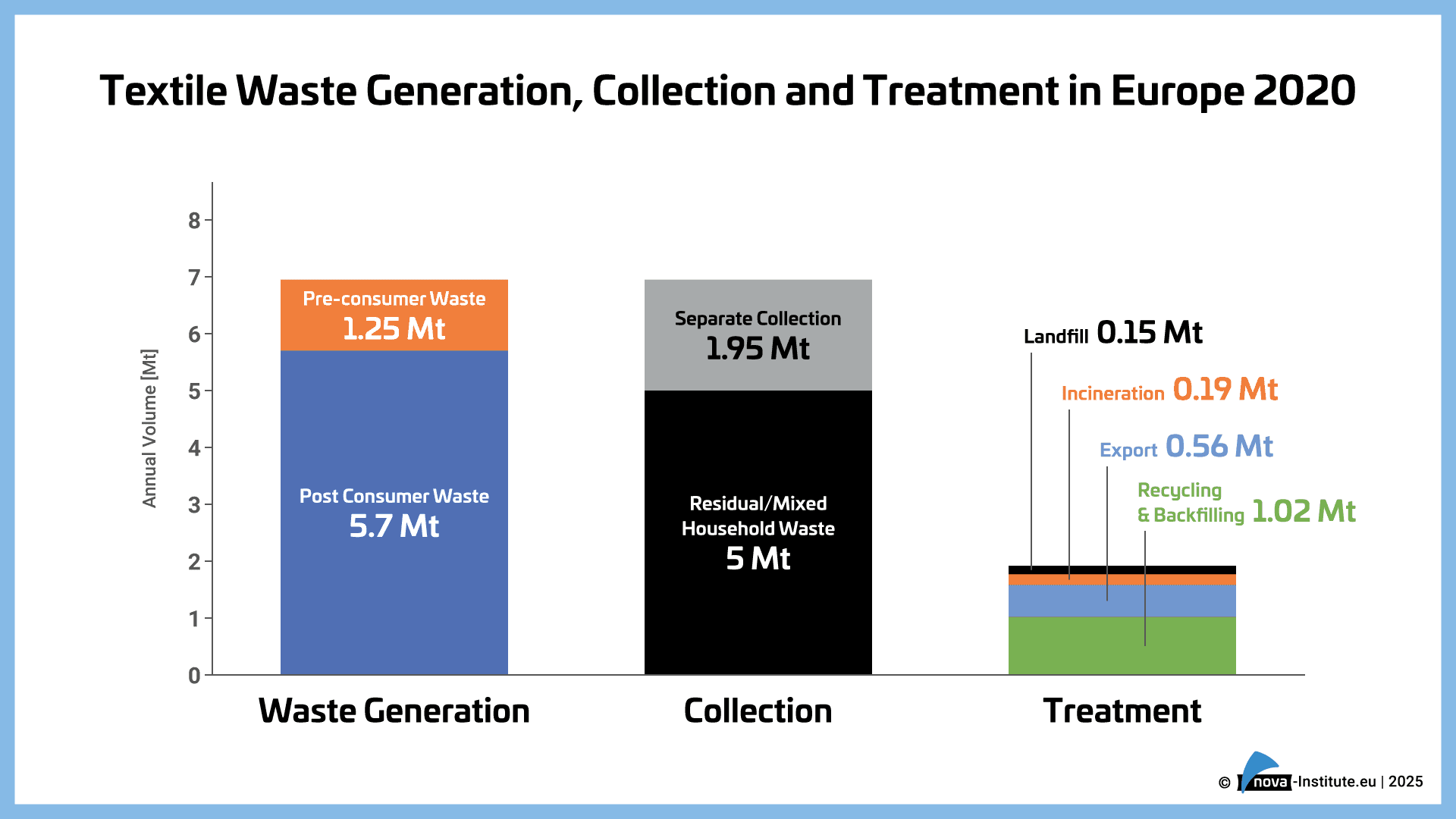
The fashion industry generates roughly 92 million tonnes of textile waste every year, a figure that makes individual choices feel almost irrelevant. They aren't. The fastest way to reduce your wardrobe's footprint isn't to buy less of everything; it's to build a small, durable core of basics from brands that can prove their materials and labor practices. A $30 organic cotton tee worn twice a week for two years costs under 30 cents per wear. The same money spent on four cheap replacements generates four times the textile waste. That math is where a low-impact basics wardrobe begins.
What certifications actually mean
The sustainable fashion space is crowded with marketing language that can obscure real accountability. Three certifications cut through it. The Global Organic Textile Standard, known as GOTS, is the most rigorous: it covers the entire supply chain from fiber to label, requires at least 70 percent certified organic content, and imposes social criteria on every factory in the chain. OEKO-TEX Standard 100 tests finished products for harmful substances including pesticide residues and heavy metals; it doesn't certify organic farming, but it confirms the garment touching your skin is chemically safe. B Corporation certification and Climate Neutral certification address broader organizational accountability, covering labor practices, supply chain transparency, and verified carbon commitments. For everyday basics where you want full-chain assurance, GOTS is the proof point that matters most.
Fiber first: what to prioritize, and what to skip
Every purchase should start with the fiber label, not the brand name. Mid-weight organic cotton, in the 180 to 220 grams per square meter range, washes well, holds its shape for years, and biodegrades at end of life. Lyocell, often sold under the Tencel brand name, is made from wood pulp in a closed-loop manufacturing process that recaptures the majority of its processing solvents; soft, moisture-wicking, and low-impact, it works well for layering pieces and warm-climate basics. Recycled polyester, spun from post-consumer plastic bottles, is the right call for activewear where stretch and durability matter more than biodegradability. What to avoid: blended fabrics where cotton is mixed with more than 20 percent synthetic content. These blends resist composting and recycling, and they degrade faster under repeated washing than a pure-fiber alternative.
The starter kit
The everyday tee (target spend: $18 to $35)
Pact offers organic cotton basics at low price points, making it the most practical entry point for replacing fast-fashion staples without financial stretch. The key certification to look for at this price tier is GOTS, which guarantees the organic claim extends beyond the raw fiber to every factory in the production chain. Buy your most-worn silhouette in a neutral, and you'll wear it often enough to drive cost-per-wear well below $1 within three months. For a budget alternative, Good On You and The Good Trade both recommend the secondhand market as the smartest arbitrage: a pre-owned certified basic sourced from a resale platform can bring the cost to under $10 while preserving full material provenance.
The activewear base layer (target spend: $38 to $90)
Girlfriend Collective makes its case on material transparency: its recycled fabrics, spun from post-consumer plastic bottles, fishing nets, and factory scraps, carry OEKO-TEX Standard 100 certification. The brand's manufacturing partners hold SA8000 certification, an audited standard for safe and ethical working conditions. Leggings run $68 to $88 and sports bras $38 to $48, placing the brand at the upper end of accessible activewear, comparable in price to Adanola or TALA. The size range spans XXS to 6XL, one of the most inclusive in the activewear category. For a budget alternative, Girlfriend Collective's durable construction holds value well on resale platforms, where near-new pieces regularly surface at 40 to 60 percent below retail.
The everyday essential (target spend: $50 to $80)
MATE the Label makes everything from 100 percent certified organic cotton with nontoxic dyes, manufactured in Los Angeles, and ships every order with zero plastic, wrapped in tissue paper. The brand holds GOTS certification, Climate Neutral certification, and B Corporation status, the most comprehensive accountability stack of any brand on this list. LA manufacturing means a shorter, verifiable supply chain, which matters as much as the certifications themselves. Prices are steep, but the combination of material quality and supply-chain transparency justifies the per-wear investment for pieces worn daily. The budget alternative: use Pact for your highest-turnover basics and reserve MATE for the two or three pieces you reach for every single week.
The color-forward tee (target spend: $30 to $45)
Colorful Standard offers basic tees at accessible price points, with a palette broad enough to avoid the monotony that makes shoppers abandon capsule intentions halfway through building one. Their core range uses GOTS-certified organic cotton, and the direct-to-consumer model keeps prices reasonable for a certified product. The single certification that matters here is GOTS: it confirms both the fiber origin and the factory practices, with no ambiguity. For a budget alternative, check the brand's sale section, where prior-season colors, just as wearable as current ones, regularly appear at reduced prices.
The reforestation-backed staple (target spend: $30 to $55)
Tentree offers affordable staples backed by a reforestation promise, planting trees with every purchase and giving each basic a quantified environmental contribution beyond the garment itself. The brand draws on all three of the key sustainable fibers: organic cotton, recycled polyester, and lyocell, covering every category from casual tees to outerwear. Its B Corporation certification provides the broader accountability proof point, verifying that the reforestation claims sit inside a transparently audited business structure. For a budget alternative, Tentree's outlet and sale sections offer the same certified materials at entry-level prices.
The wear-and-wash plan: making basics last two to three years
A garment's environmental cost is heavily front-loaded in production; extending its life is the single most powerful action after purchase. For organic cotton and lyocell basics, the protocol is simple: cold water only, inside-out, on a gentle cycle, followed by line-drying or tumble-drying on the lowest heat setting. Heat is the primary accelerant of fiber degradation, causing pilling and shrinkage that shortens a garment's functional life by months. For recycled polyester activewear, wash on cold after every other wear unless visibly soiled; the material is durable but loses stretch recovery faster under high heat. Aim for a rotation of three to five pieces per category so no single item is washed more than once a week.
Before any purchase, check for repairability signals:
- Spare buttons sewn inside the garment indicate a brand that expects the piece to outlast a single stitch failure
- Published repair guides, which several brands on this list provide, are a stronger accountability signal than most marketing copy
- Mid-weight fabrics with a tight weave resist pilling better than lightweight alternatives and are easier to mend without visible patching
A single well-executed repair resets the cost-per-wear calculation entirely.
When secondhand is the smarter first move
For brand-premium items, buying secondhand is the recommended approach, and for the brands on this list it's a particularly reliable strategy. Because Girlfriend Collective and MATE the Label use durable certified materials, secondhand quality is consistent and the garments hold their structure through multiple owner cycles. Good On You and The Good Trade both include secondhand sourcing in their editorial recommendations, precisely because it unlocks certified-quality basics at entry-level prices without any compromise on material provenance.
The lowest-impact wardrobe isn't assembled in a single session. It's built piece by piece, each decision anchored to a cost-per-wear calculation rather than a trend cycle. One verified staple, in a neutral color that works across everything you already own, is a more durable strategy than any seasonal refresh, and it compounds over time in ways that fast fashion simply cannot replicate.
This article was produced by Prism’s automated news system from verified source data, official records, and press releases, then run through automated quality and moderation checks before publishing. The system is built and supervised by the people who set the standards it runs under. Read our full AI policy.
Did this article answer your question?