Good On You Rounds Up April's Key Sustainable Fashion and Beauty News
The Zara x Galliano deal and Strait of Hormuz disruptions signal how fast geopolitics and brand image can collide with workers on the ground.

The fashion industry's appetite for spectacle and its exposure to geopolitical shock arrive in the same breath this April. Good On You's monthly roundup of 15 things to know in sustainable fashion and beauty, published April 2, organizes the month's signals into three pressure zones: brand accountability, labor and supply chain risk, and beauty industry scrutiny.
The loudest item is the Zara x John Galliano collaboration, in which Inditex's flagship plans to reinvent what it calls its "archive." The announcement drew swift industry cynicism. Writing for FashionUnited, Anna Roos van Wijngaarden dissected the responses, noting a central irony: many observers questioned whether Zara even has a genuine archive, given the retailer's well-documented history of allegedly lifting designs from independent brands. The deal lands differently for each party. For Galliano, still rebuilding a public profile, it is access to global distribution at extraordinary scale. For Zara, it is reputational laundering dressed as editorial credibility. FashionUnited framed it plainly: "This is a power move from Inditex."
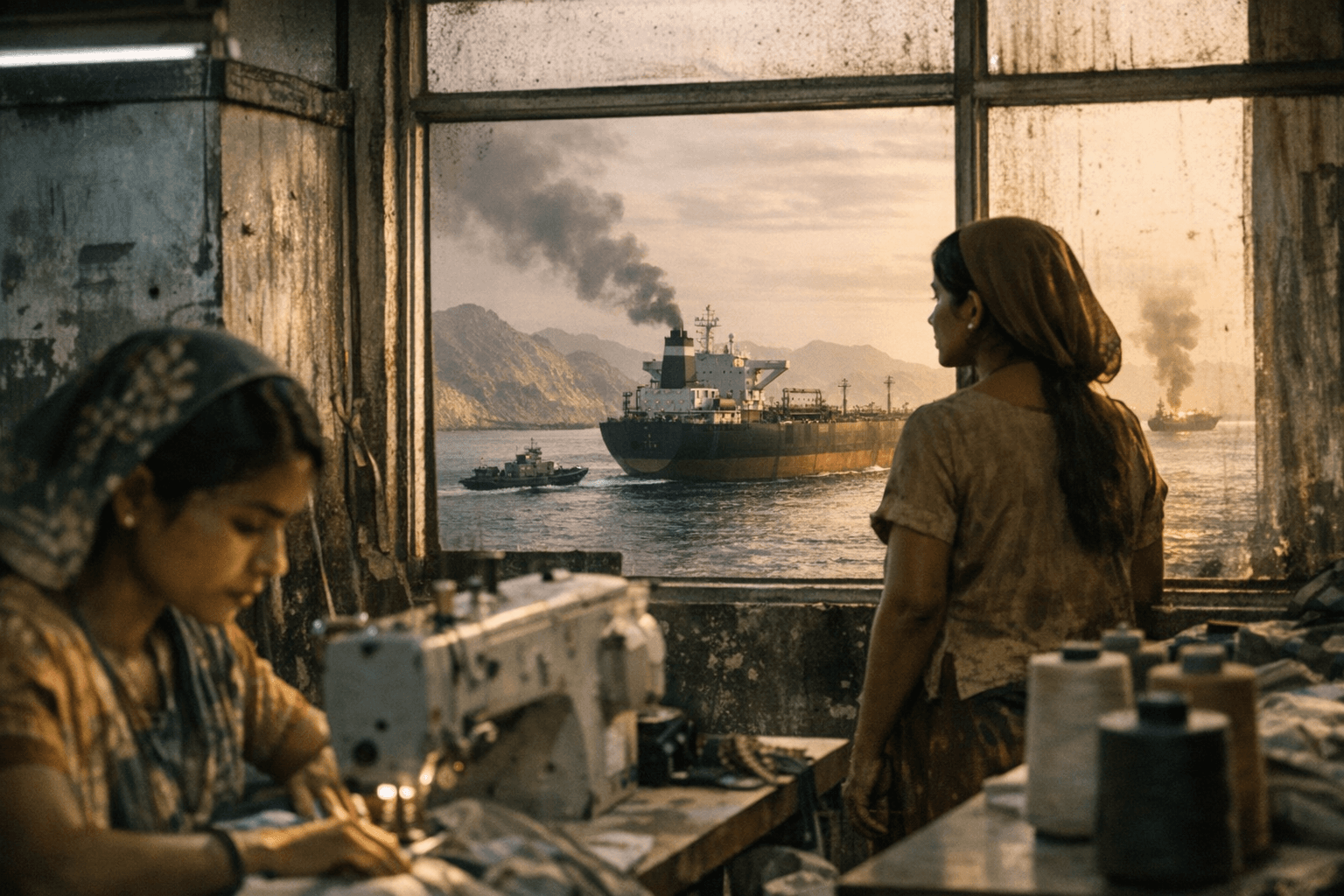
The second signal is quieter but carries heavier human cost. Since the start of the US-Israel-Iran war, the Business and Human Rights Centre has been tracking the conflict's impacts on supply chains and workers, noting that shipment delays due to the Strait of Hormuz closure are leading to "fears of factory closures, unpaid wages, and the 'burden of the additional cost' that may be placed on suppliers and workers." The Strait of Hormuz is a critical chokepoint for global shipping; its disruption compresses margins at every node of the supply chain, and the people least able to absorb those losses are the garment workers at the end of it. The Business and Human Rights Centre's ongoing tracking gives sourcing teams a named body and a live dataset to monitor.
The third thread running through this month's roundup is the beauty sector, where brand accountability is sharpening. Good On You flags which beauty companies are being held to account, a category that has historically escaped the scrutiny applied to fashion. Packaging recyclability, greenwashing claims, and ingredient transparency are all in frame.
Taken together, the April picture is one in which the fashion industry's chronic accountability gaps are being pressured from three directions simultaneously: a cultural deal that exposes the aesthetics economy's ethical shortcuts, a geopolitical disruption that translates directly into workers' unpaid wages, and a beauty industry beginning to feel the kind of regulatory and consumer heat that apparel has faced for years. The watchlist for the weeks ahead: the Business and Human Rights Centre's Hormuz supply chain tracker, the broader industry response to the Zara x Galliano launch, and whether beauty brands named in accountability coverage adjust their claims or their practices.
This article was produced by Prism’s automated news system from verified source data, official records, and press releases, then run through automated quality and moderation checks before publishing. The system is built and supervised by the people who set the standards it runs under. Read our full AI policy.
Did this article answer your question?


