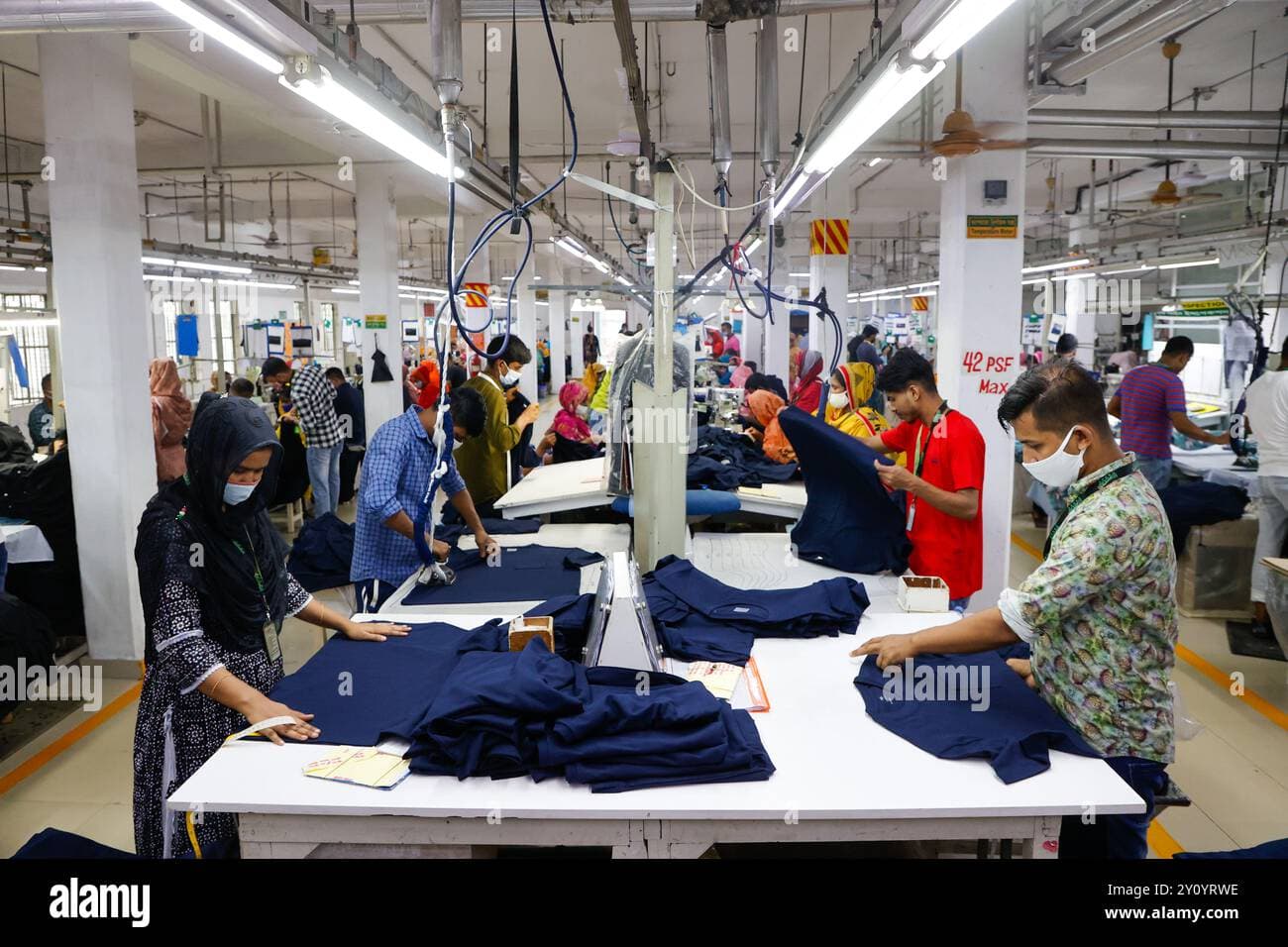
America’s discarded clothing fuels India’s hidden textile economy
A donated T-shirt doesn't disappear. It can end up in India, where recycling often exports fashion's pollution instead of cutting production.
The cleanest story fashion tells is the dirtiest one
America's castoff clothes do not vanish when they leave a closet or a donation bin. CNN's updated video report, published May 15, 2026, follows that afterlife into India, where discarded U.S. clothing feeds a billion-dollar recycling economy with a hidden human toll. The scale is grotesque: the world generates about 92 million metric tons of textile waste every year, clothing production doubled between 2000 and 2015, and people are now buying 60 percent more clothes while wearing them for half as long. UNEP says that, every second, the equivalent of a garbage truck full of clothing is incinerated or dumped in a landfill.
That is the backdrop for fashion's favorite lie, the one that lets brands talk about "circularity" while the system keeps flooding the market with more product. UNEP puts fashion and textiles inside the triple planetary crisis of climate change, biodiversity loss, and pollution and waste, which is exactly why this story matters beyond the recycling aisle. The problem is not just what happens to old clothes. It is the business model that keeps making too many of them.
Follow one garment and the road gets ugly
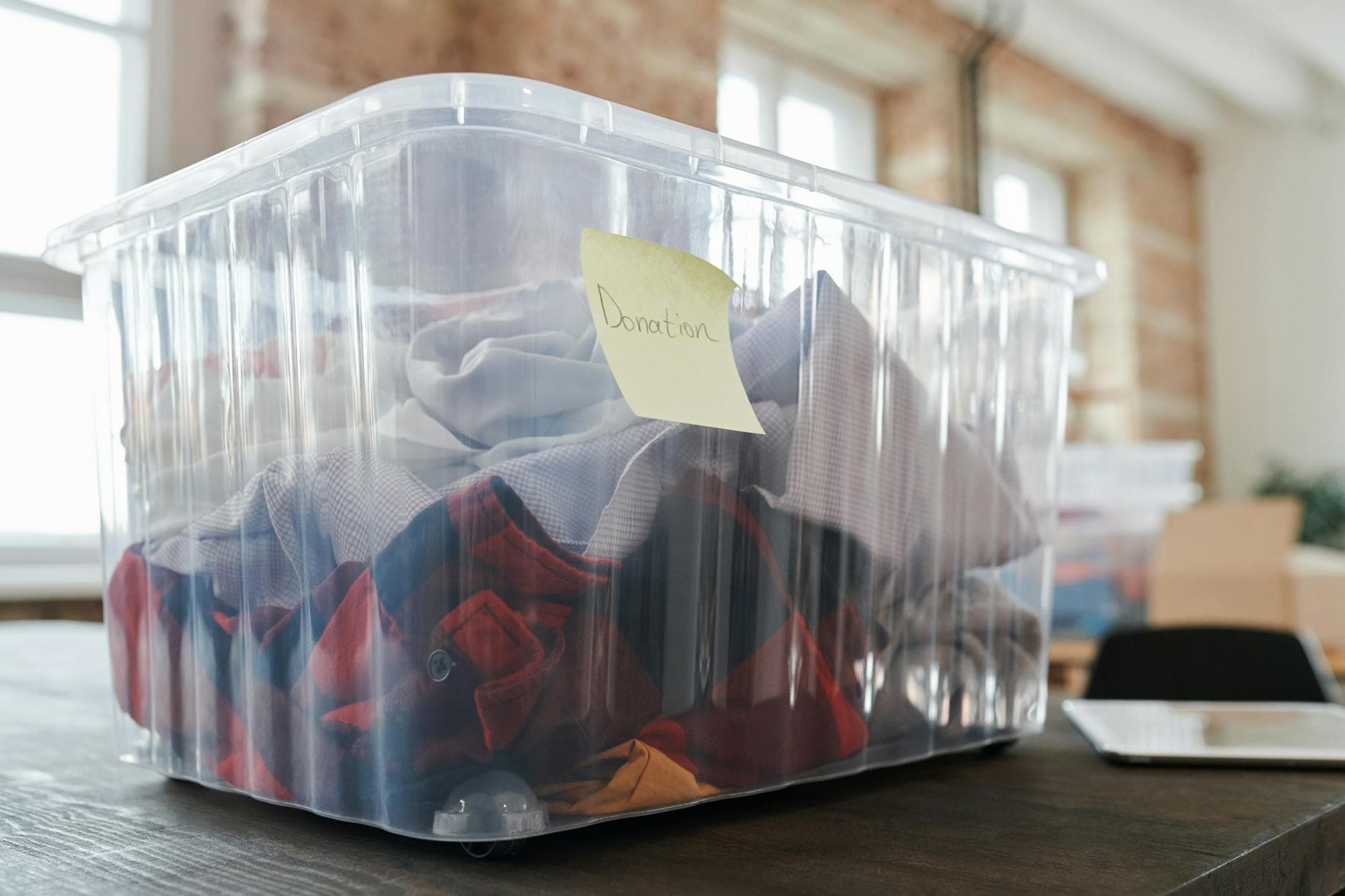
Take a single unwanted T-shirt, the kind that arrives too thin after three washes or never fits quite right in the first place. It gets dropped off, donated, or dumped, then sorted with thousands of other pieces into a stream of used textiles that can be sold, baled, shipped, and processed far from the place it was worn. That journey is the part most recycling campaigns skip over, because the distance hides the damage.
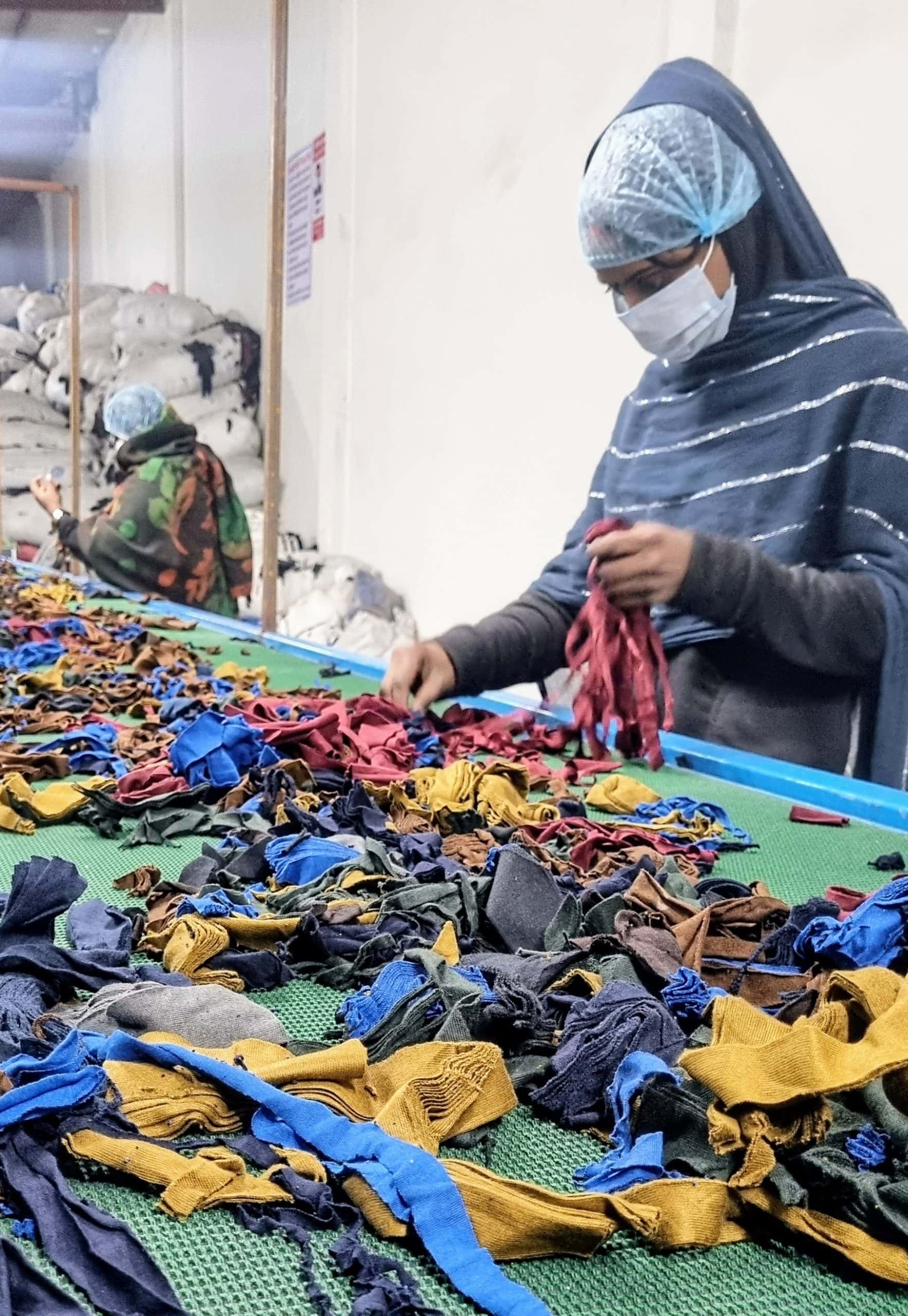
In India, that stream plugs into a massive textile-recycling economy. CNN describes it as a booming business, and that word matters. Booming does not mean clean, and it does not mean benign. It means the waste generated elsewhere has become someone else's labor market, someone else's air, someone else's water, someone else's daily exposure to the debris of overproduction.
The ugly truth is that a garment's second life is rarely a fashion fantasy. It is usually a sequence of downgrade, disassembly, and labor-intensive sorting that keeps low-value clothing moving through the system. From the outside, that can look like circularity. Up close, it looks more like a supply chain designed to absorb excess rather than prevent it.
Why India's recycling economy keeps winning the West's waste
India is central to the global used-clothing trade because it can do what richer markets do not want to do anymore: handle the mess at scale. That is why the country sits inside a billion-dollar recycling business built on clothing that affluent consumers and brands have already written off. The economic language sounds neat. The environmental and labor reality is not.
UNEP has been blunt about the sector's costs. Fashion and textiles drive wastewater, toxic dyes, and exploitation of underpaid workers. The system is not just producing waste at the end of the chain; it is creating pollution and pressure at every step. When cheap garments are made fast, worn briefly, and shipped away in bulk, the environmental bill does not disappear. It moves.
That shift is the core accountability problem. If one country's closets empty into another country's sorting sheds, the industry gets to call it recycling while outsourcing the dirtiest parts of the business. It is hard to celebrate a loop when the loop depends on making some communities carry the burden so others can keep shopping.
How to tell real circularity from oversupply management
This is where the recycling story gets testy. Not every recycling claim is actually trying to reduce production. Some programs are real attempts to keep fibers in use longer. Others are just a very polished way to manage oversupply, clear dead stock, or move post-consumer waste out of sight.
The difference is everything. Real circularity should make fewer virgin garments necessary, not give brands a cleaner conscience for making the same volume of clothes. If the claim does not shrink production, extend wear, or prove a genuine reuse or remanufacturing pathway, it is not solving fashion's waste problem. It is containing it.
Look for the stuff brands hate being pinned down on:
- Does the program reduce new production, or does it just process what the brand already overmade?
- Does it keep garments in use longer through repair, resale, and genuine fiber recovery?
- Does it show where the clothes go after collection, and who handles them?
- Does it account for wastewater, dyes, transport, and labor conditions, or only the feel-good headline?
Those questions are the difference between a recycling system and a pressure valve. A pressure valve is useful only if you are willing to admit it does not fix the engine.
The UN's warning is not abstract anymore
UNEP and UN-Habitat have been pushing that point through their 2025 Zero Waste Day theme, "towards zero waste in fashion and textiles." The language is intentionally direct because the sector's linear business model is the problem. Overproduction and overconsumption create the waste mountain first, then recycling gets asked to clean up the aftermath.
That is why the most responsible response is not to romanticize the bin, the baler, or the export route. It is to slow the flow at the source. Fewer clothes. Better made clothes. Longer wear. More repair. Less fantasy about endless growth disguised as sustainability.
CNN's report lands in the right place because it refuses the soft-focus version of recycling. It follows the garment past the donation box and into the machinery that makes the West's wardrobe overflow somebody else's burden. That is where the accountability starts, and it is where the fashion industry has to stop mistaking waste management for real change.
Know something we missed? Have a correction or additional information?
Submit a Tip