Fashion's sustainability push meets consumer price resistance
Fashion is still selling sustainability, but shoppers under inflation pressure only reward it when it improves durability, resale value, care and quality.
Fashion’s sustainability pitch is running into the same hard arithmetic that governs every trip to the till. PwC’s 2024 Voice of the Consumer Survey found shoppers would pay an average 9.7 percent more for sustainably produced or sourced goods, yet 31 percent of the more than 20,000 consumers surveyed across 31 countries and territories named inflation as the biggest threat to spending habits over the next year.
That gap is where the industry is being forced to sharpen its language. L.E.K. Consulting’s 2024 Global Consumer Sustainability Survey, which covered 5,000 people across 10 geographies including the United States, the United Kingdom, Australia, Brazil, China, France, Germany, India, Japan and Spain, found that sustainability still matters, but willingness to pay extra remains mixed, usually moderate and secondary to quality and price. In other words, a recycled label alone does not close the sale. A better-feeling fabric, a longer-lasting seam, lower care costs or stronger resale value often does.
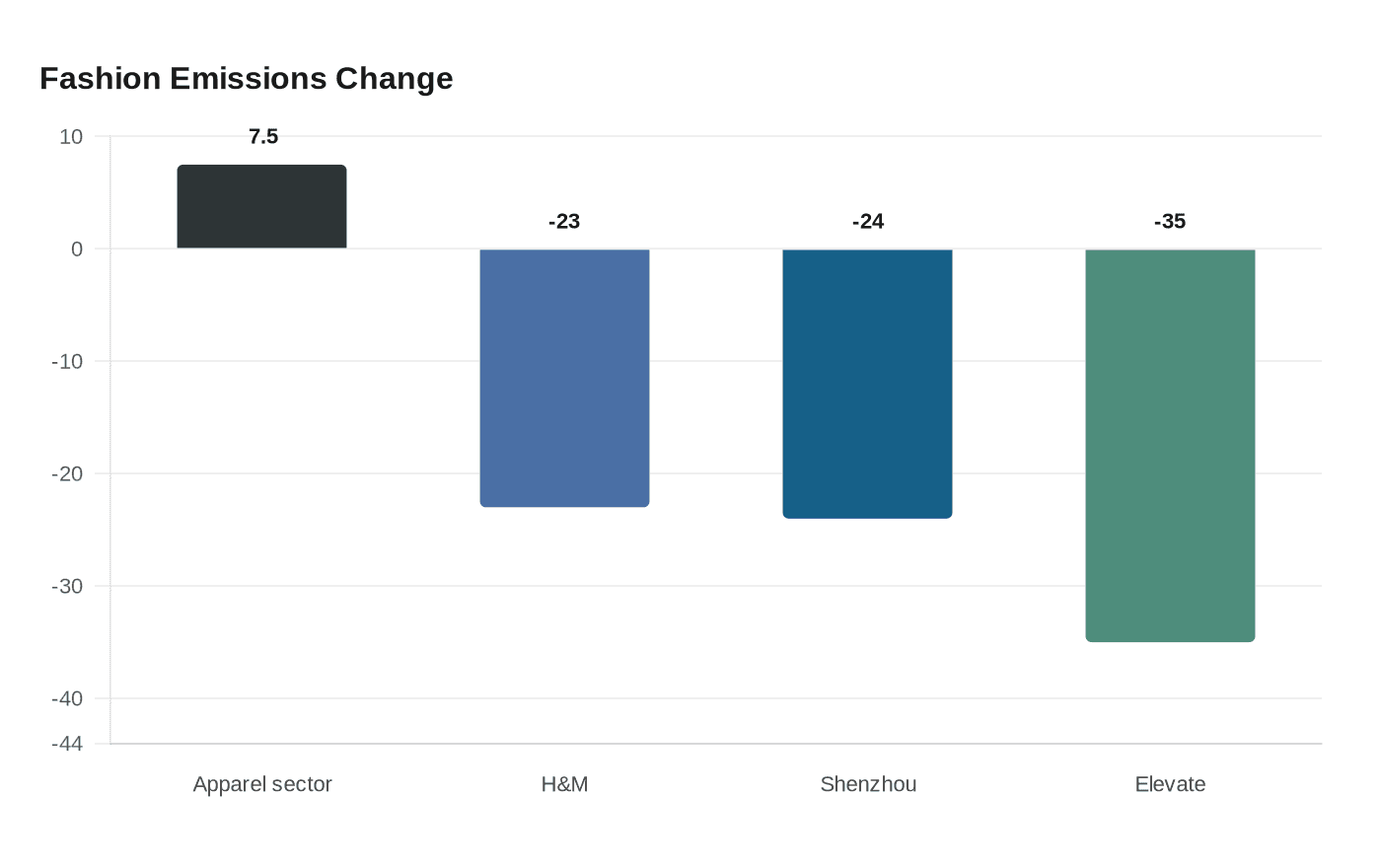
The industry’s environmental problem is not abstract. The Apparel Impact Institute said apparel-sector emissions rose 7.5 percent in 2023 to 944 million metric tons, nearly 2 percent of global emissions, and that virgin polyester accounted for 57 percent of total global fiber production. That is the fashion system’s central contradiction in plain sight: the cheapest, most common materials are still among the most carbon-heavy, and the sector is trying to sell virtue while relying on the very inputs driving its footprint.
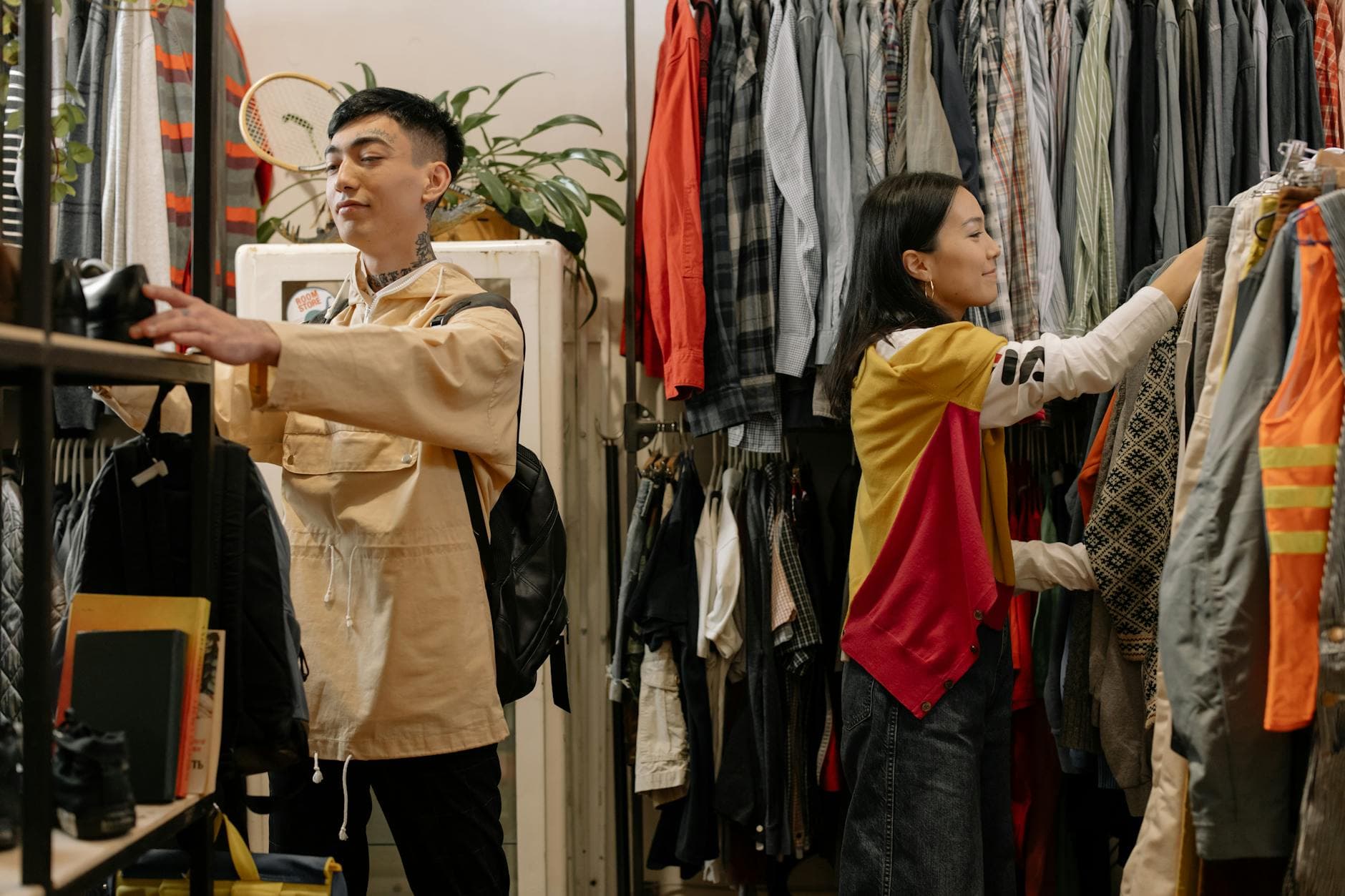
That pressure is pushing brands toward resilience as much as ethics. The Ellen MacArthur Foundation says the fashion industry is still largely linear, with the equivalent of a rubbish truckload of clothes burned or buried in landfill every second. Its Fashion ReModel, launched in May 2024, is built to scale resale, rental, repair and remaking, business models that can earn revenue without demanding endless new production. For brands, that is less a manifesto than a hedge against overproduction, trade shocks and rising material risk.
The market backdrop makes the shift look even less optional. McKinsey and The Business of Fashion’s State of Fashion 2025 expects global fashion to post low single-digit growth this year, a clear sign that value-seeking consumers are still in control. At the same time, the Apparel Impact Institute said H&M cut Scope 3 emissions 23 percent from 2019 to 2024, while Artistic Milliners invested $100 million in renewable energy, Shenzhou Group cut Scope 1 and 2 emissions 24 percent between 2022 and 2024, and Elevate Textiles cut emissions 35 percent since 2019.
The brands that will win this moment are not the ones asking shoppers to absorb sustainability as an added burden. They are the ones proving that cleaner fashion can also be smarter fashion: sturdier, easier to care for, easier to resell and less exposed to the volatility baked into the old system.
Know something we missed? Have a correction or additional information?
Submit a Tip