Bangladesh garment factories cut cooling as heat and power cuts bite
Fans and coolers are going dark in Dhaka factories as 37C heat and power cuts leave garment workers dizzy, cramping and fainting across Bangladesh’s export engine.
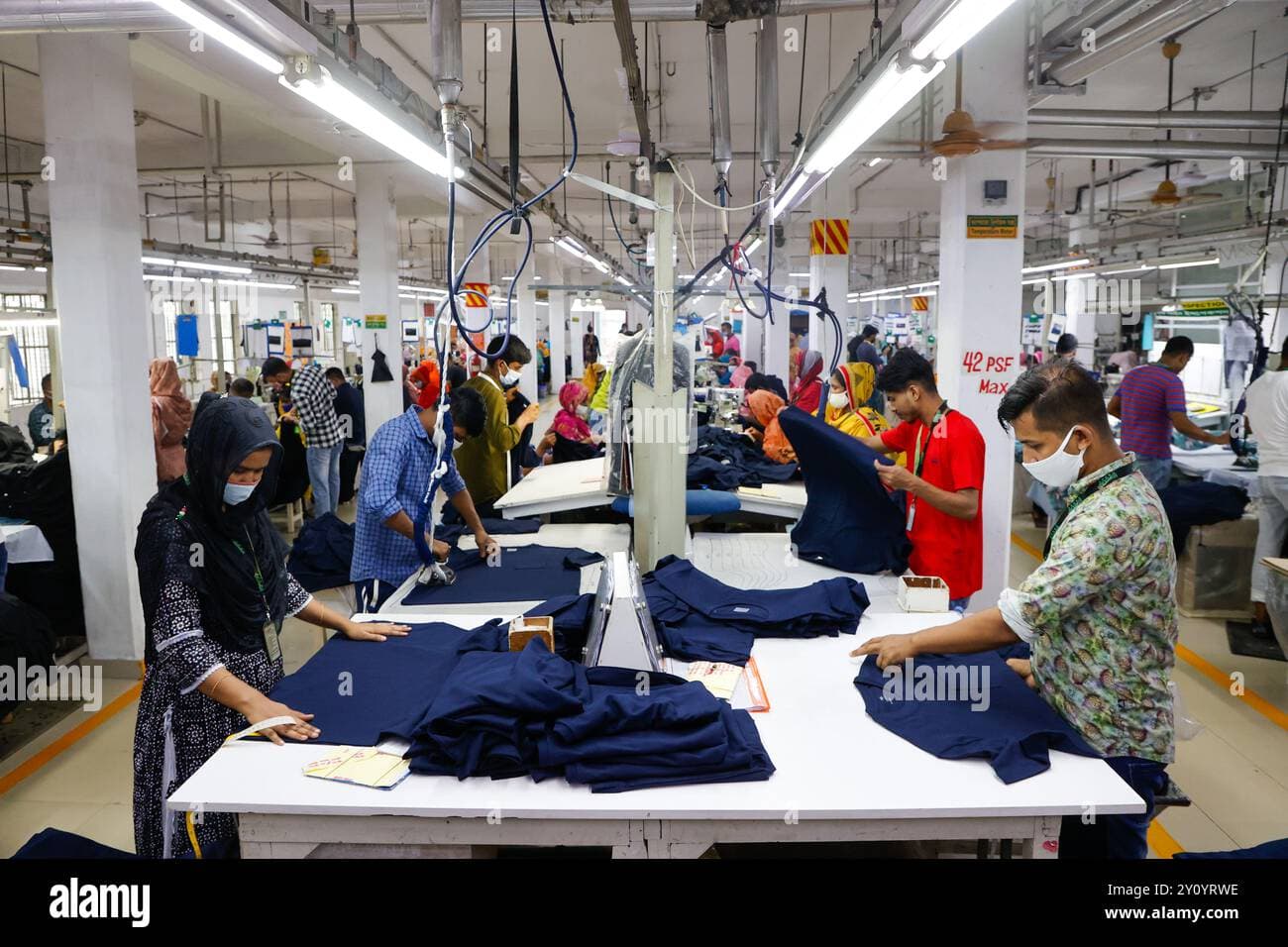
Bangladesh’s garment floors are turning hotter and louder in the worst way: fans and coolers have been switched off across factories as energy cuts, tied to the Iran conflict and wider fuel shortages, squeeze the country’s export engine. In the Dhaka garment industry belt, temperatures have climbed to 37C with high humidity since late April, and workers have described dizziness, cramps and fainting while trying to keep production moving.
The timing is brutal for a country that is the world’s second-largest clothes supplier. Apparel exports totaled about $39.35 billion in fiscal 2024-25, according to BGMEA data compiled from the Export Promotion Bureau, and the sector employs more than 4 million people. When cooling disappears on a line floor packed with machines, poly bags and stacked bundles, the damage is not only human. It is operational, with lost output threatening deadlines, margins and a supply chain that already runs close to the edge.
Bangladesh had already started tightening the belt. On April 3, 2026, the government cut office hours and trimmed public spending to stabilize energy supplies as Middle East conflict-driven fuel-market disruption spread. That backdrop matters inside garment factories, where power cuts can turn a normal shift into a safety problem. Workers Tahmid Zami, Mosammet Runa and Alvi Islam described the physical toll in blunt terms: dizziness, cramps and fainting as the heat rose and the air grew heavy.
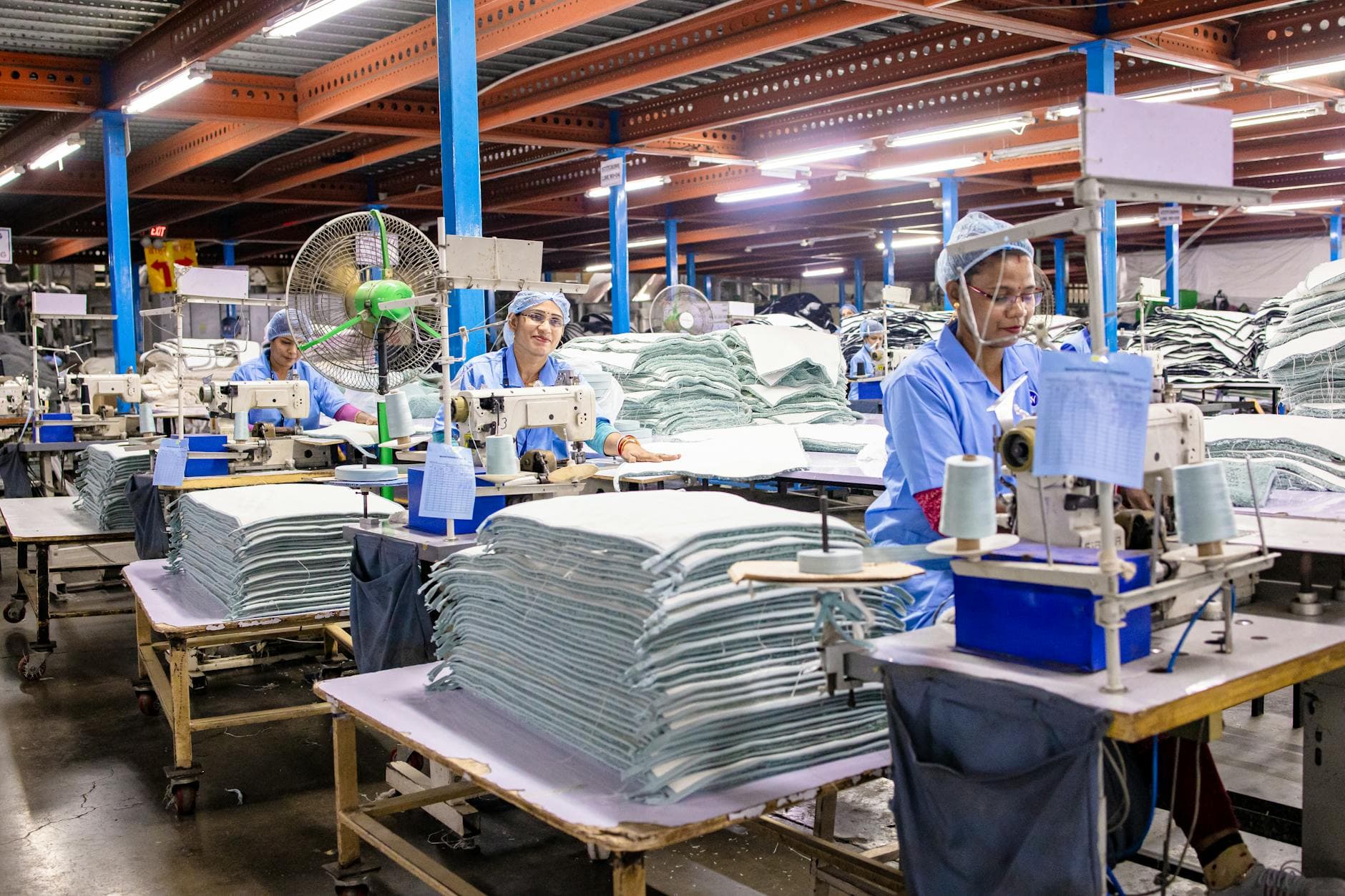
The deeper problem is that the industry has been built for speed, not resilience. A 2025 Climate Rights International report said garment workers in Dhaka often labored in poorly ventilated factories and rarely had access to air conditioning. The World Health Organization warns that workplace heat stress can lead to exhaustion, pathological conditions and death, while the International Labour Organization says heat stress is already causing serious harm to worker safety and health and is becoming a growing occupational risk.
For brands sourcing from Bangladesh, that turns climate risk into a buying decision. Heat-protection standards, backup-power expectations and purchasing practices that leave factories breathing room are no longer extras; they are part of whether a dress, shirt or pair of jeans can be made without pushing workers to the edge. In this supply chain, cooling is not a perk. It is part of keeping fashion moving.
Know something we missed? Have a correction or additional information?
Submit a Tip