OLYMP marks a decade of ESG reporting with 2025 sustainability report
OLYMP’s decade of ESG reporting now rests on renewable power, factory audits and certified shirting, but its boldest assortment target still reads more aspirational than proven.
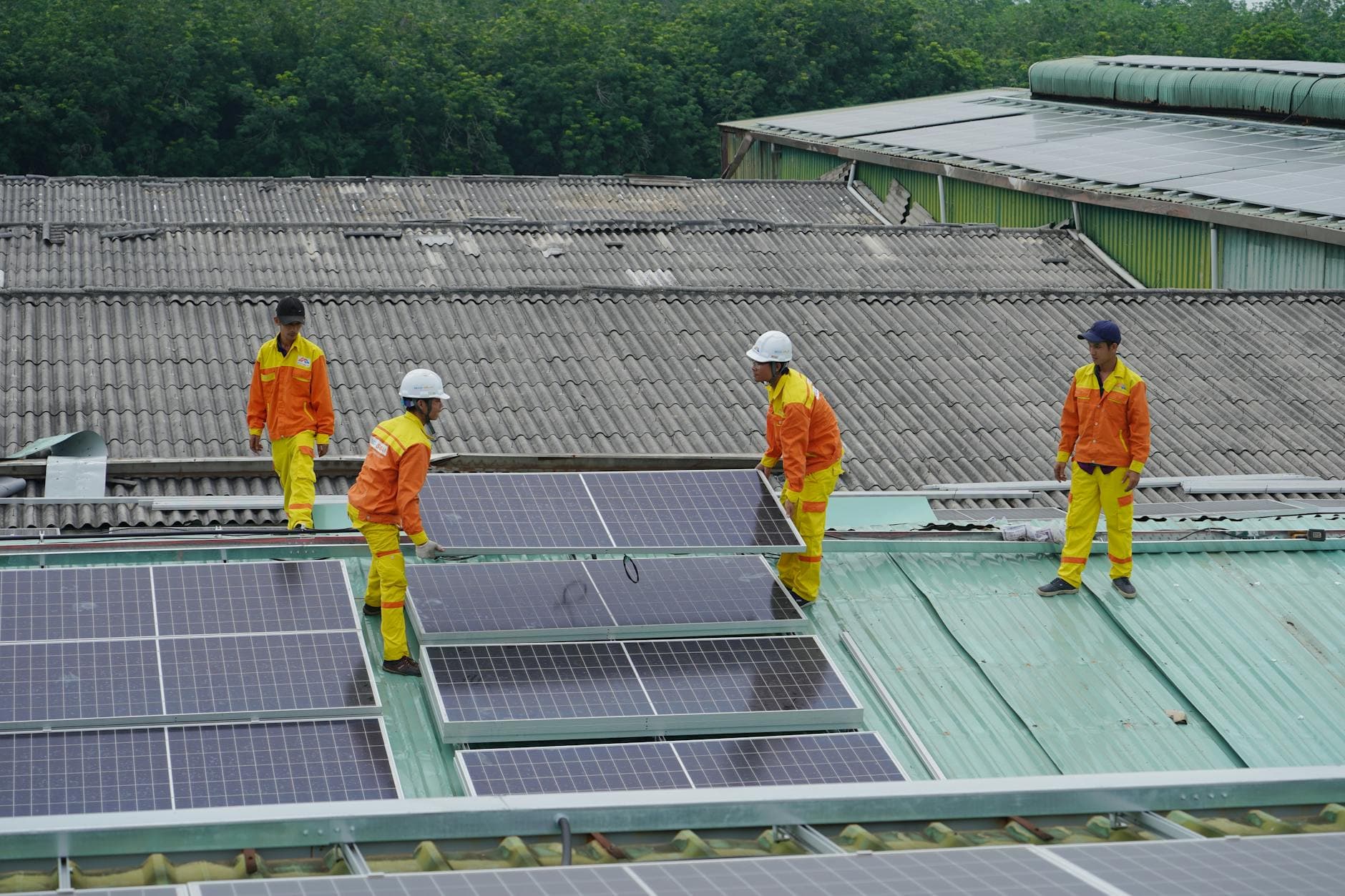
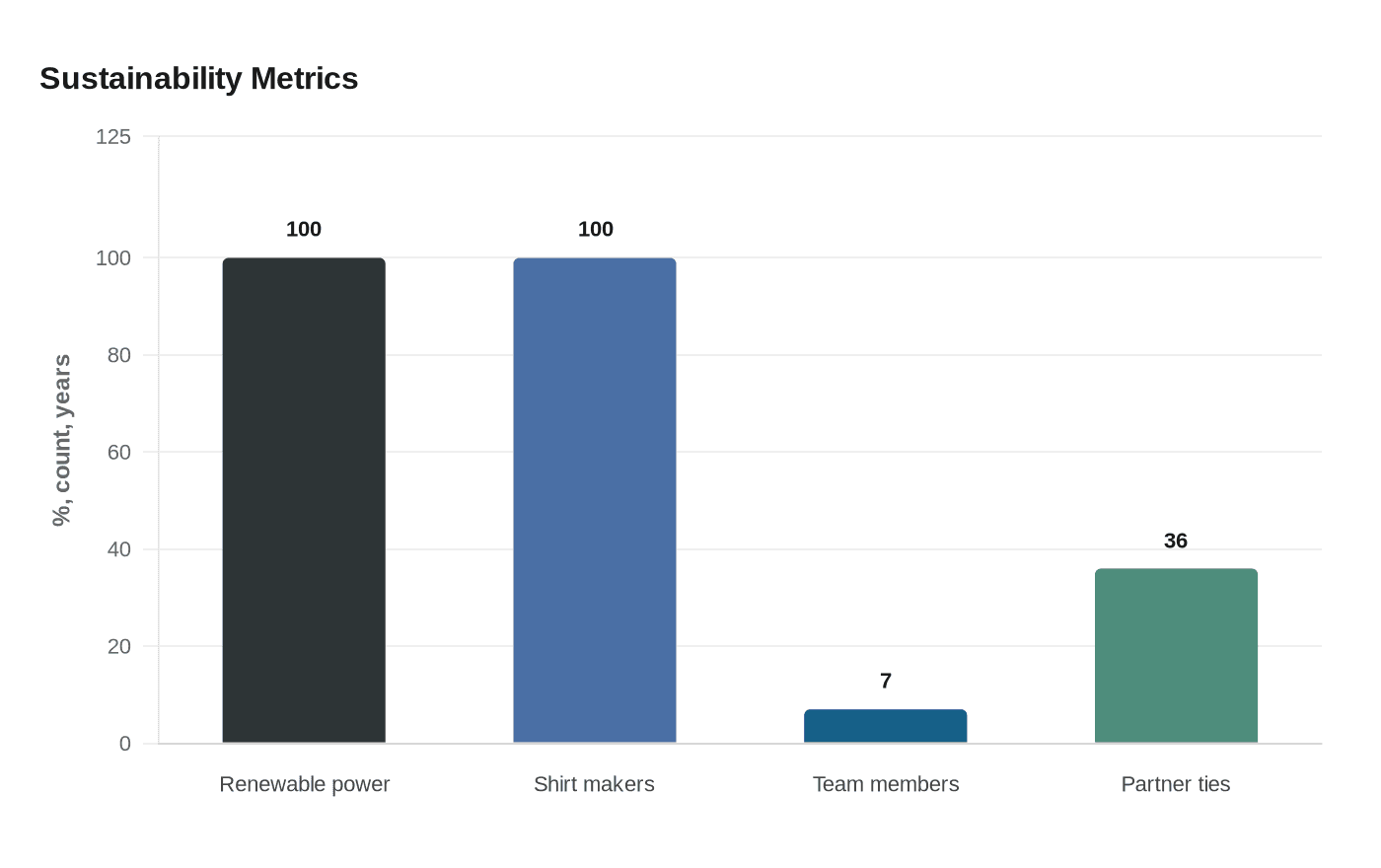
OLYMP’s 2025 sustainability report shows a menswear house trying to turn responsibility into operating discipline, not seasonal decoration. The strongest evidence sits in the machinery of the business: a carbon footprint that covers Scope 1, Scope 2 and Scope 3, a Bietigheim-Bissingen site running on 100% renewable electricity from certified sources, and a photovoltaic system that has been in place since 2013. A heat pump is planned for 2026, extending the company’s energy-efficiency work from what it already controls into what it still needs to improve.
That operational language suits a family business that was founded in 1951 by Eugen Bezner and is now led in the third generation by Mark Bezner. OLYMP says it has published comprehensive annual sustainability reports since 2018 and has spent a decade voluntarily reporting on ESG work. The 2025 report again aligns with the Corporate Sustainability Reporting Directive, even though the company says it goes beyond the legally required framework. In other words, the brand is leaning hard on the idea that transparency itself is part of the product, the same way crisp collar construction or a sharp shoulder line signals intent on the rack.

On the supply-chain side, the report is more persuasive than most corporate sustainability language. OLYMP says it launched the iMPACT Program in 2021 with HAKRO and LRQA, and since 2023 all factories in risk countries have been audited through iMPACT or Fair Wear. Seven members of the sustainability team stay in direct contact with production partners, and the company says 100% of its shirt manufacturers are OEKO-TEX® STeP certified. It also points to 36 years of collaboration with its longest-standing manufacturing partner, a detail that suggests continuity rather than the usual churn of anonymous sourcing.
The product story is where the report becomes more decorative than definitive. OLYMP says more than 80% of its items already carry the Green Choice label and that it aims to reach 100% by 2025. It also introduced fully GOTS-certified capsule collections such as Boris Herrmann x OLYMP in 2024. Those are useful signposts, especially for shoppers who want proof that sustainability is reaching the actual garment, but the ambition still sits ahead of the evidence in the reporting language. The company’s broader aim is to become one of the five leading smart menswear brands in Europe, and that will require the same precision in sustainability that it asks of a shirt cuff: measured, visible and impossible to fake.
Know something we missed? Have a correction or additional information?
Submit a Tip