Analyses Question Nike and Adidas Sustainability Amid Transparency and Greenwashing Concerns
Good On You’s Feb 17, 2026 head‑to‑head finds Nike marginally ahead on workers while Impakter and Mashinii put Adidas ahead on product sustainability and transparency.

Nike and Adidas sell the same silhouette of aspiration: high‑performance sneakers meant to carry you through marathon runs, stadium spotlights and morning commutes. Their public design stories diverge, however, Adidas leans into circularity with a Three Loop Strategy and a Parley for the Oceans partnership that recycles ocean plastic into sportswear, while Nike foregrounds materials innovation and consumer takeback with a recycling drop‑off for old sneakers at participating Nike stores in the US and Europe and ongoing use of recycled fabrics.
The head‑to‑head picture is unsettled. Good On You’s comparative feature, published Feb 17, 2026, set environmental performance, workers’ rights, transparency and animal welfare as its axes and concluded that “Nike comes out slightly ahead of Adidas with a better score for workers, but it’s certainly not perfect,” adding that “neither brand is a shining star.” That verdict sits against Impakter’s opposite claim: “Adidas is currently in the lead in the race to be the more sustainable sportswear brand out of the two,” even as Impakter also cautioned that both companies need far greater transparency.
On environmental detail the debate tightens. Impakter notes that Nike “uses certain environmentally friendly fabrics, including recycled materials” but says Nike “overlooks wastewater discharges and has been denounced by Greenpeace for failing to get rid of hazardous chemicals in their supply chain.” Adidas’s credentials include listings on the Dow Jones Sustainability Index, FTSE4Good and MSCI Global Sustainability and certifications listed as LEED, ISO and OSHAS; Lingaya’s Journal excerpts attribute to Adidas a target to “reduce its carbon emissions by 30% by 2030” and cite Parley as a flagship initiative. Lingaya’s material also contains conflicting claims that Adidas committed to only sustainable cotton by both 2018 and 2020, a discrepancy that remains unresolved in the available excerpts.
Labour and transparency emerge as a crucial dividing line. Good On You emphasises workers’ rights in its scoring and gives Nike the marginal edge on that metric. Lingaya highlights that “Nike has been more transparent in reporting its CSR activities and has published sustainability reports for over a decade” and that Nike was the first sportswear company to publish supplier factory lists and runs a Manufacturing Index program. Adidas, meanwhile, fields a Responsible Sourcing Program and a Worker Engagement Program. Project Cece pushes the argument further, saying “one of its priorities should be guaranteeing living wages and fair working conditions across all stages of its supply chain.”
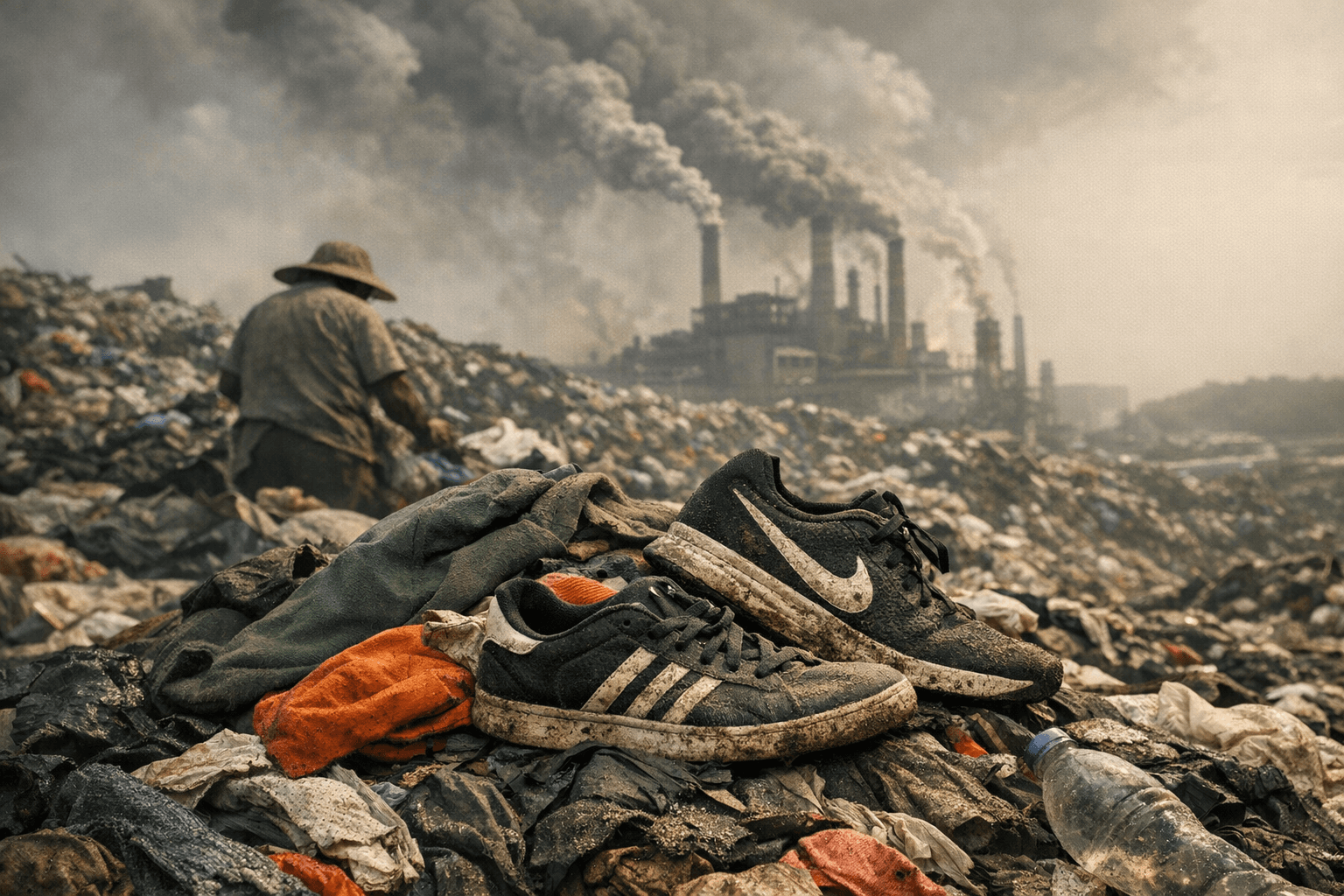
Investors see the tension differently. Mashinii’s ethical analysis states that “Adidas carries fewer severe negatives and demonstrates stronger performance on product sustainability and supply chain transparency,” while conceding Nike’s strengths in community engagement and animal welfare. Mashinii also records that “Both Nike and Adidas carry negative average scores in our analysis” and scores Adidas +10 on a “No War, No Weapons” metric, attributing the positive to an Adidas Foundation established in 2023, while giving Nike a neutral 0.
For consumers Good On You’s pragmatic counsel is blunt: “As ever, the most sustainable item is the one in your closet,” and reuse or recycling matters, “If you’re in the US or Europe, you can drop off old sneakers from any brand to a participating Nike store for recycling.” The marketplace already responds with alternatives: Good On You rates Tripulse “Great” and Project Cece lists names such as Wellicious, Iron Roots, ACBC and Alohas as more ethical options.
The throughline is plain: independent verification. Impakter warns that “what is urgently needed for both of them is independent certification of their sustainability measures and results.” Until third‑party certification, clearer carbon baselines and reconciled commitments such as Adidas’s cotton target arrive, the consumer and investor decision will be a matter of which set of compromises, materials innovation, circular programs, or worker protections, you are willing to live with.
This article was produced by Prism’s automated news system from verified source data, official records, and press releases, then run through automated quality and moderation checks before publishing. The system is built and supervised by the people who set the standards it runs under. Read our full AI policy.
Did this article answer your question?


