Apparel alliance updates supply chain taxonomy for clearer traceability
Apparel Impact Institute, Cascale, Textile Exchange and ZDHC Foundation moved to tighten tier definitions, sharpening supplier mapping and traceability.
Apparel Impact Institute, Cascale, Textile Exchange and the ZDHC Foundation updated standardized tier definitions for supply chains, a move that changes who gets measured, audited and held responsible inside apparel’s many-layered production system. In practice, clearer tiering makes it harder for brands to blur the line between a finished-goods supplier and the factories, processors and wet-work partners buried deeper in the chain.
The Apparel Alliance, the collaborative working group uniting those four global organizations, says its purpose is to accelerate decarbonization across the industry with a minimum goal of 45%. Its own materials describe apparel, leather, textile and footwear sustainability work as long hampered by fragmented initiatives and audits, an old problem that can leave brands collecting one set of data for carbon, another for chemistry and another for factory compliance without any common language to connect them.

That is why the alliance has put so much weight behind the Data Matrix and the Factory Improvement Journey, which Cascale, Apparel Impact Institute and ZDHC introduced as part of a standardized, transparent and scalable framework for measuring and improving environmental performance. The new tier definitions sit in the same lane: they are not runway drama, but they determine the architecture of traceability itself, deciding which suppliers must enter the frame, which records must be compared and which gaps can no longer stay hidden in a subcontracting maze.
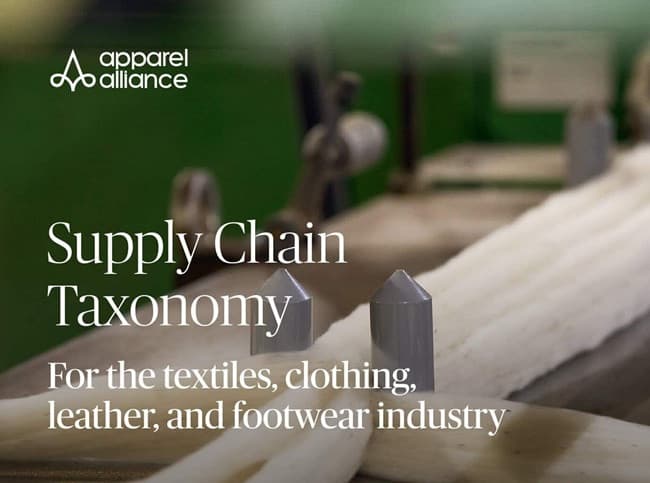
Textile Exchange’s Supply Chain Taxonomy for the textile, apparel and fashion industry, dated February 2026, shows how quickly the sector is trying to settle on common language. Ecotextile’s headline indicates the alliance’s latest update is a Version 2 of that taxonomy, a sign that the industry is still refining how it names each layer of production. That refinement matters because the cleaner the tier map becomes, the more pressure falls on brands to back up claims with data that can survive scrutiny.
For brands, the cost of that clarity is exposure. Better tier definitions can tighten emissions accounting, sharpen wastewater oversight at processing stages and force supplier accountability to travel farther upstream than many labels have ever had to look. The chic illusion of an effortless supply chain disappears fast once every tier is named, measured and opened to audit.
This article was produced by Prism’s automated news system from verified source data, official records, and press releases, then run through automated quality and moderation checks before publishing. The system is built and supervised by the people who set the standards it runs under. Read our full AI policy.
Did this article answer your question?