Apparel brands spotlight environmental wins, labor concerns stay in the shadows
A University of Ottawa study found 322 apparel reports praised emissions and waste far more than wages, safety and worker voice, even after Rana Plaza.
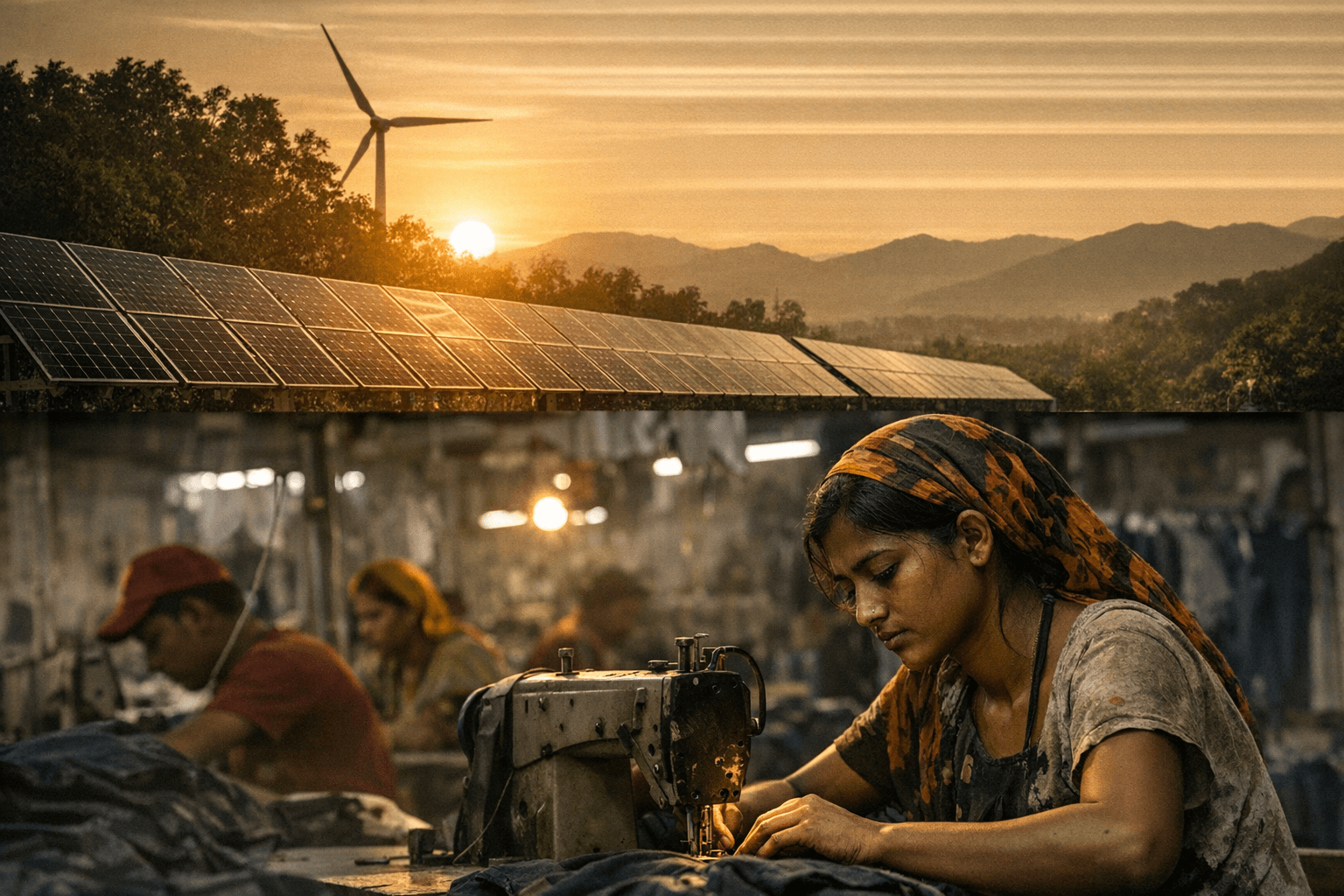
Apparel brands have become fluent in the language of climate progress, but far less eager to spell out what happens to the people sewing the clothes. In a peer-reviewed study by Mahsa Mohammadrezaei and José Carlos Marques of the University of Ottawa, 322 sustainability reports from 69 apparel companies leaned heavily toward environmental wins while labour conditions stayed in the background.
The paper, published in Business Strategy and the Environment, tracked seven years of reporting after the Rana Plaza collapse in Savar, Bangladesh, on 24 April 2013. That disaster killed 1,138 people and injured more than 2,000 garment workers, then forced a global reckoning and the creation of safety efforts such as the Bangladesh Accord and the Alliance for Bangladesh Worker Safety. The study also included a 101-report firm-level subsample tied to brands affiliated with those initiatives, a useful way to see whether companies with direct exposure to factory safety obligations were more candid about working conditions.
They were not, at least not in the way their environmental language suggested. Using SBERT-based thematic alignment against SASB material-topic benchmarks and VADER sentiment analysis, the researchers found that apparel companies gave far more space to emissions, water and waste than to wages, safety, grievance mechanisms and other social issues. That imbalance matters because sustainability reporting is not just corporate decor. It shapes what brands claim to manage, what investors believe is under control, and what shoppers are encouraged to see as responsible fashion.
The post-Rana Plaza context makes the gap sharper. In 2023, the International Labour Organization said Bangladesh’s garment sector was safer and government oversight had improved, but it also said major challenges remained. Labour-rights groups have continued to point to the same stubborn fault lines: poverty wages and weak freedom of association. Those are not abstract policy concerns. They determine whether a factory job pays enough to live on, whether workers can raise a safety complaint without retaliation, and whether a brand’s supply chain is built on genuine accountability or polished optics.
The new findings also land in a year when scrutiny has only intensified. Ecotextile reported in February 2026 that luxury fashion companies were more open about environmental impacts than social issues such as labour conditions, and in June 2025 that brands’ climate plans were neglecting worker impacts. Put together, the pattern is hard to ignore. Fashion’s sustainability story still shines brightest where it is easiest to measure, while the human side of the industry remains the part many brands prefer to keep in shadow.
This article was produced by Prism’s automated news system from verified source data, official records, and press releases, then run through automated quality and moderation checks before publishing. The system is built and supervised by the people who set the standards it runs under. Read our full AI policy.
Did this article answer your question?


