Bangladesh loosens union rules, reshaping garment labor rights for millions
Roughly four million garment workers could gain real leverage as Bangladesh cuts union hurdles. The question now is whether brands feel it in their supply chains.
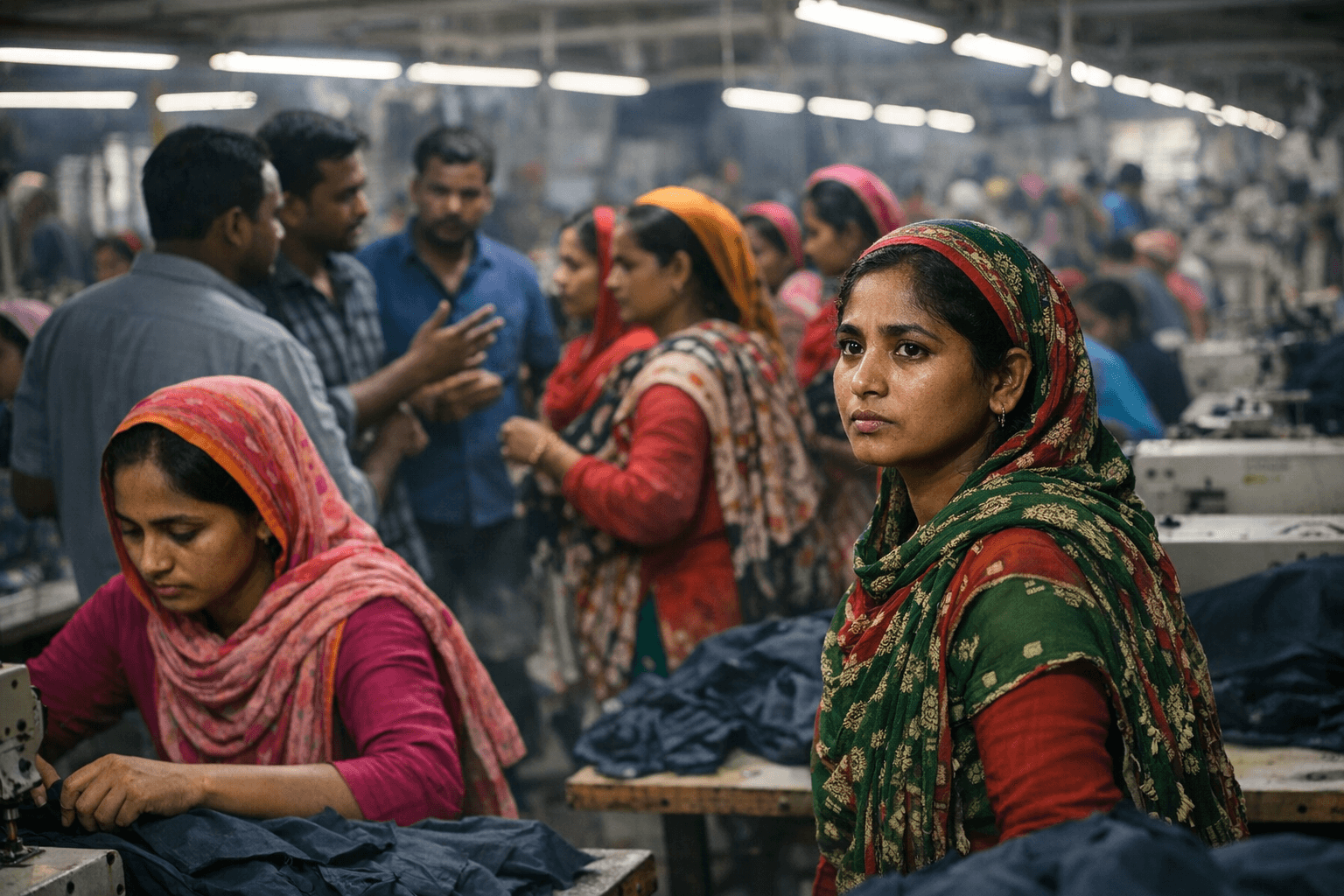
Bangladesh has just moved the power line in garment labor a lot closer to the factory floor, and roughly four million workers could be affected if the new union rules hold in practice. Parliament passed the Bangladesh Labour (Amendment) Bill, 2026 by voice vote on 9 April 2026, turning the interim government’s ordinance from 17 November 2025 into a full act and replacing the old rule that forced workers to win support from 20 percent of a workplace before forming a union.
The new thresholds are much lower, and that is the point. Factories with up to 300 workers can now form a trade union with just 20 workers. In larger sites, the bar rises with size, with Ecotextile reporting a threshold of 400 workers in workplaces with more than 3,000 employees. That is not a cosmetic tweak. In a sector built on scale, speed and compliance theater, it gives workers a cleaner path to organize without having to clear a wall that was designed to keep them out.
This matters because Bangladesh’s ready-made garment industry is not a side story in global fashion, it is the engine room. The sector directly employs about 4.2 million people, around 60 percent of them women, and supports as many as 40 million Bangladeshis indirectly. Those are the hands behind the T-shirts, hoodies and denim that fill mall racks and e-commerce carts from Dhaka to Dubai to Manhattan. If union access gets easier in the factories, brands will have less room to hide behind audit binders and more pressure to deal with bargaining power where it actually lives.
The government and labor advocates are casting the change as an attempt to align Bangladesh with international labor standards. That case got louder in November 2025, when Bangladesh ratified ILO Conventions No. 155, No. 187 and No. 190, becoming the first country in South Asia to ratify Convention No. 190 on violence and harassment. UNI Global Union called the new law a game changer and said it strengthens protections against anti-union discrimination, blacklisting, forced labour and sexual harassment. Those are not abstract rights. They are the difference between a worker speaking up and a worker getting erased.
The first test came fast. Workers at the Fashion Pulse factory reportedly formed the country’s first union under the updated rules in March 2026, a sign that the law is already moving from parliament paper to shop-floor reality. Employers, including the Bangladesh Employers’ Federation and industry bodies such as the Bangladesh Garment Manufacturers and Exporters Association and the Bangladesh Knitwear Manufacturers and Exporters Association, had warned that a lower threshold could stir unrest and operational risk. That is the fight now: whether this becomes a genuine shift in bargaining power, or another reform that looks strong in Dhaka and gets quietly sanded down by enforcement in the supply chain.
Know something we missed? Have a correction or additional information?
Submit a Tip