Nanollose narrows focus to Nullarbor fibre as textile pilots advance
Nanollose has bet its future on Nullarbor, shifting away from leather and farm inputs after pilots with Birla Cellulose passed the one-tonne mark.
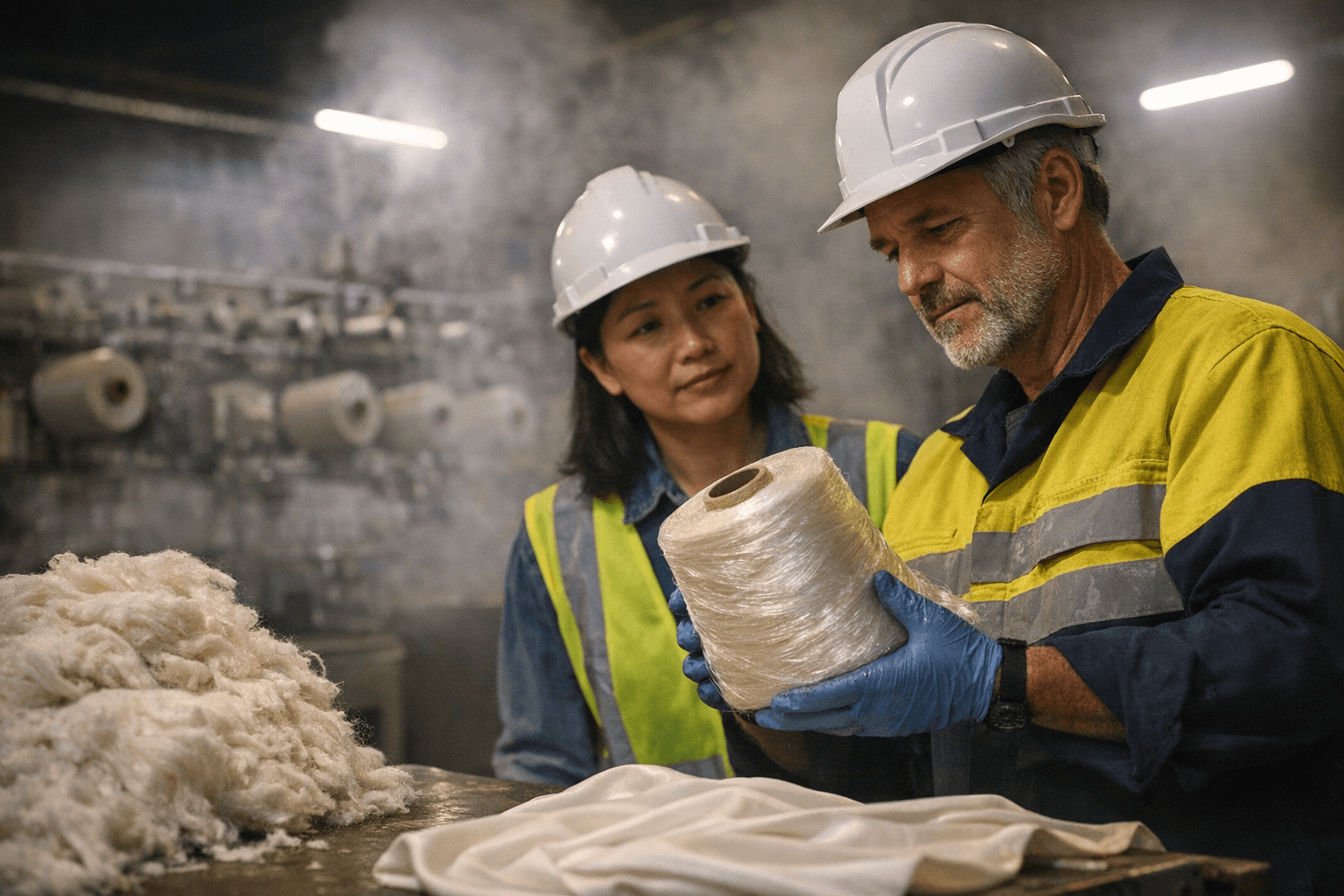
Nanollose has drawn a sharper line around its future, and that clarity may matter as much as the fibre itself. After an extensive appraisal led by managing director Andrew Moullin, the Australian biotech decided it could not chase textiles, agricultural inputs and leather alternatives at the same time, and chose to put its weight behind Nullarbor, its tree-free lyocell fibre, where it sees the strongest return on investment.
That is a more disciplined play than the broad, sustainability-at-all-costs pitch that often slows new materials companies. Nullarbor is built from microbial cellulose and is designed to run on existing industrial textile equipment, which is the detail that gives the concept commercial gravity. Fashion does not need another lab-born promise that demands an entirely new supply chain; it needs fibres mills can actually spin, weave and scale without rebuilding the factory floor.
The milestones Nanollose has already lined up are the ones that will now decide whether the material earns a place beyond the innovation deck. The company said it has completed three pilot production runs with Birla Cellulose, totalling more than a tonne of fibre: 800kg of Nullarbor-20, 150kg of Nullarbor-30 for textiles and 110kg of Nufolium-20 for nonwoven applications. It also says the first wearable garment made from Nullarbor tree-free lyocell has been manufactured, a small but telling threshold for any new textile seeking to move from chemistry to closet.
There is still a long gap between a pilot and a dependable fashion supply. But the company’s recent history suggests it understands where real validation comes from. In August 2025, Nanollose said 70 blankets had been made with Waverley Mills using a yarn blend of 30% Nullarbor-20 and 70% Australian merino wool, a useful test because blankets expose fibre performance in drape, handfeel and wash durability without the vanity of a runway sample. In 2021, Nanollose also filed a joint patent application with Birla Cellulose for its high-tenacity tree-free Nullarbor lyocell fibre.
The commercial question now is whether this narrower strategy can turn technical plausibility into market relevance. Paradise Textiles signed a term sheet for exclusive supply of Nullarbor fibre and said it wanted to help develop new yarn and fabric constructions and promote the fibre to customers, which is exactly the kind of downstream commitment that turns a material from concept into category. Founded in 2014 and based in Nedlands, Western Australia, Nanollose has chosen a harder but cleaner path: prove textiles first, and let the rest wait.
This article was produced by Prism’s automated news system from verified source data, official records, and press releases, then run through automated quality and moderation checks before publishing. The system is built and supervised by the people who set the standards it runs under. Read our full AI policy.
Did this article answer your question?