Italy tightens greenwashing rules, curbing vague eco-claims in fashion
Italy has started policing fashion’s soft-focus green claims, and words like eco-friendly and carbon neutral will need hard proof.
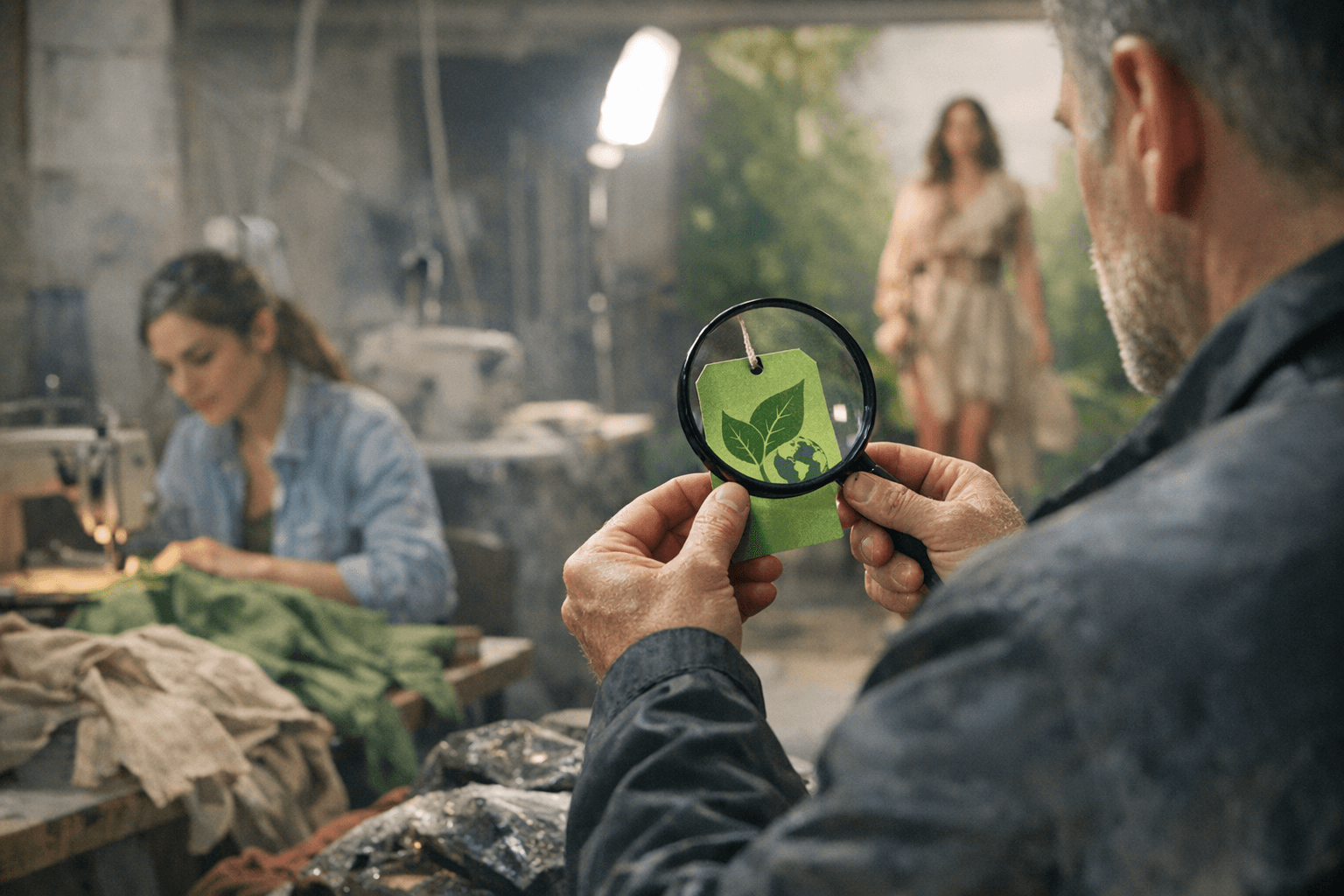
The era of easy eco-language is closing in Italy, where fashion’s most persuasive labels are about to face harder rules, sharper scrutiny and fewer chances to hide behind feel-good phrasing. Legislative Decree No. 30, Italy’s implementation of the EU anti-greenwashing directive, moved through the system in March and is set to make brands prove much more than a recycled hangtag or a polished sustainability page.
The new rules track Directive (EU) 2024/825, the European Union’s consumer-protection push against misleading environmental claims, false sustainability labels and early obsolescence. Adopted on 28 February 2024 and published in the Official Journal on 6 March 2024, the directive gave member states until 27 March 2026 to transpose it, with full application from 27 September 2026. Italy’s decree was published on 9 March 2026, entered into force on 24 March, and will become fully applicable on 27 September, giving fashion and retail businesses only a short runway to clean up their language.
What changes on the ground is simple: vague claims will get riskier. Terms like “eco-friendly” and other generic environmental boasts will need real evidence, while carbon-neutral messaging will face tighter controls. The decree also widens the lens beyond emissions slogans, pushing more disclosure around durability, reparability and spare parts, the kind of information that turns a garment from a disposable purchase into something you can actually maintain. For consumers, that means the difference between marketing gloss and a coat, sneaker or bag that can be worn longer, repaired more easily and replaced less often.
Italy’s Ministry of Enterprise and Made in Italy says the measure is meant to protect consumers from misleading green claims and defend genuinely sustainable Made in Italy businesses. That distinction matters in a market where the green badge has become almost as common as a brand logo. The Italian Competition Authority made the point brutally clear in August 2025, fining Shein €1 million for misleading green claims in fast and superfast fashion and Giorgio Armani €4 million over alleged false ethical statements. The message to the industry is unmistakable: luxury and mass market alike will be expected to back up their conscience language with proof.
For fashion, this is bigger than a compliance memo. Italy is one of the first countries to put the EU rulebook into national law, and that can ripple across the supply chain, from mills and exporters to brands, retailers and marketplaces that sell into the wider European Union. Marketers will have to review labels, trademarks and sustainability disclosures now, because by late September the old habit of dressing up ordinary merchandise in ecological language will no longer be enough.
This article was produced by Prism’s automated news system from verified source data, official records, and press releases, then run through automated quality and moderation checks before publishing. The system is built and supervised by the people who set the standards it runs under. Read our full AI policy.
Did this article answer your question?