Apparel Impact Institute Launches Industry-First Carbon Emissions Benchmarking Tool
Apparel sector emissions rose nearly 8% in 2023, the steepest climb since tracking began. Aii's new process-level benchmark aims to change that.
The numbers that greeted the Apparel Impact Institute's latest annual update were not comfortable reading: apparel sector emissions rose nearly 8% in 2023 compared with the prior year, the first significant increase since Aii began tracking them, and now account for close to 2% of global greenhouse gas emissions. Against that backdrop, Aii launched the Energy and Carbon Benchmark v1.0 on March 11 from San Francisco, positioning it as the industry's first standardised tool for measuring carbon emissions at the process level across textile and garment manufacturing facilities worldwide.
The distinction the tool makes sounds technical but carries real weight for how supply chains account for their footprint. Most existing methods rely on fragmented, self-reported averages that obscure where emissions are actually concentrated. The Energy and Carbon Benchmark separates factories running a single production stage from those combining multiple processing activities on one site, a granular approach that covers spinning, weaving, knitting, wet processing and garment making. That separation is what Aii argues makes consistent, comparable metrics possible for the first time.
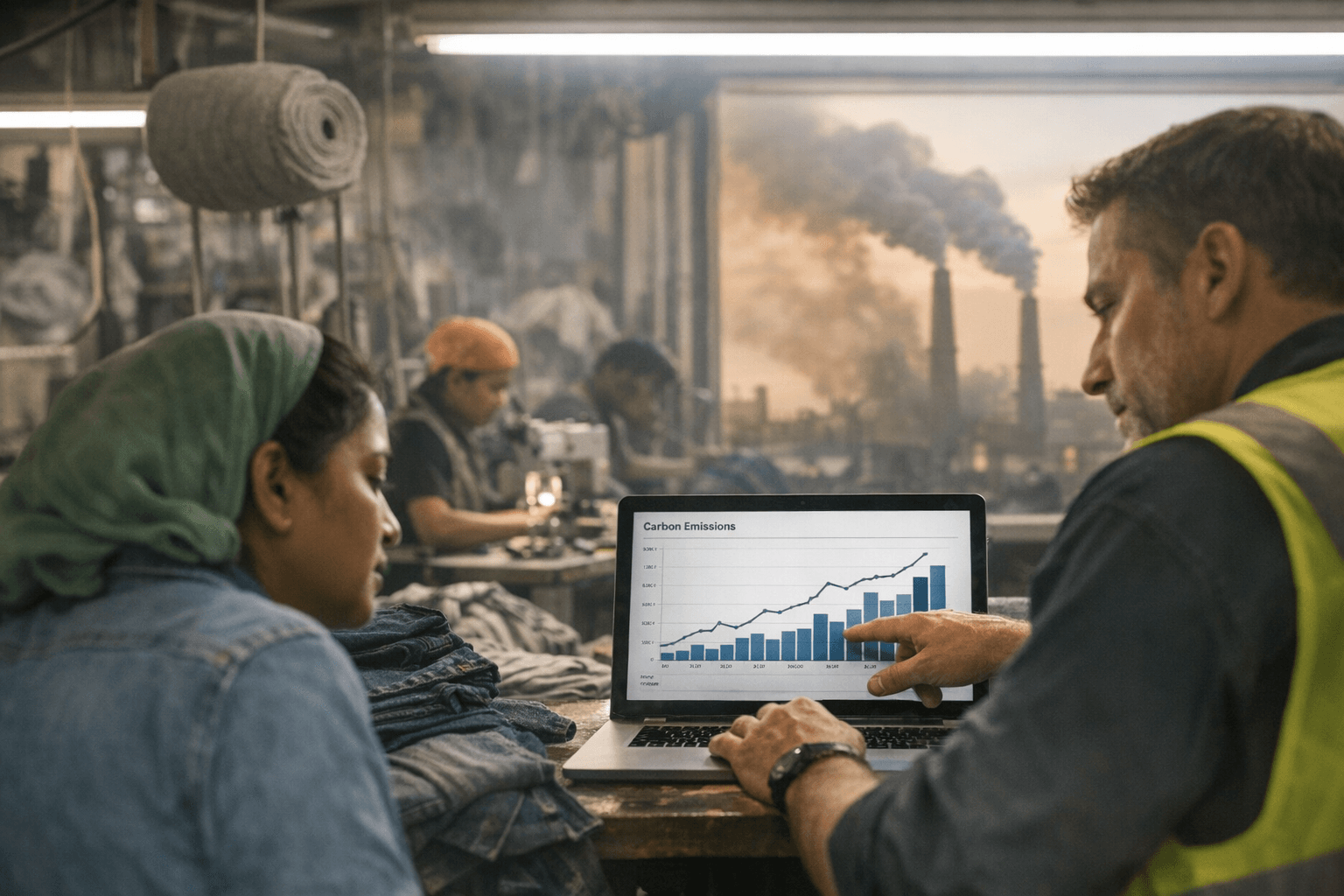
In practice, the tool generates tailored benchmark figures for individual facilities based on their energy sources, material inputs and specific manufacturing processes. It can map a factory's total energy use and emissions profile, break down performance by department, track progress over time and allow comparisons across facilities, regions and operating models. The result is intended to give both suppliers and brands transparent, independent data rather than a single industry average that papers over vast operational differences.
Jimmy Summers, vice-president of Environment, Health, Safety and Sustainability at Elevate Textiles, articulated why that supplier-level visibility matters. "This benchmarking tool helps suppliers to objectively determine where they are in their sustainability journey, which in turn can support further cost-effective interventions, resulting in more effective energy solutions, improved efficiency, and decreased emissions," he said. "By communicating supplier performance to brands, Aii's tool will help the industry to further recognize the importance of suppliers in apparel's net-zero journey, resulting in additional and effective support and momentum for supplier decarbonization."
The benchmark has been in development for some time. Ecotextile News first reported on the project in September 2024, meaning the March v1.0 release represents an approximately 18-month journey from early disclosure to formal launch. Questions that remain open include the tool's access model, whether methodology documentation will be independently audited, and which brands or supplier groups participated in any pilot phase. Aii has not yet detailed those specifics publicly.
What the launch does signal is a shift in where the sustainability conversation is being directed: away from brand-level pledges and toward the mills, spinners and wet processors that actually manufacture the clothes. If the benchmark achieves the cross-industry adoption Aii is pushing for, the 8% emissions spike of 2023 may come to look like the moment the measurement gap finally closed.
This article was produced by Prism’s automated news system from verified source data, official records, and press releases, then run through automated quality and moderation checks before publishing. The system is built and supervised by the people who set the standards it runs under. Read our full AI policy.
Did this article answer your question?


