Armedangels enters US market with transparent, plant-based fashion push
Armedangels is betting its US debut on proof: 80.1% plant-based fibers, QR-coded product passports, and denim details that invite scrutiny, not slogans.
Eighty point one percent of Armedangels’ 2025 fiber mix was plant-based, and that number is the sharpest argument the German label is making as it enters the United States. In a market thick with vague eco-language, the brand is trying to turn sustainable fashion into a standards test, not a mood board.
Founded in Cologne in 2007 by Martin Höfeler and Anton Jurina, Armedangels has spent nearly two decades building what it calls a transparent and responsible business in Europe. Its US-facing site now leans on organic cotton, recycled materials and fair, timeless style, but the real differentiator is less aesthetic than procedural: the company says it launched digital product passports for Spring 2025, two years ahead of regulation, and built the system in-house.
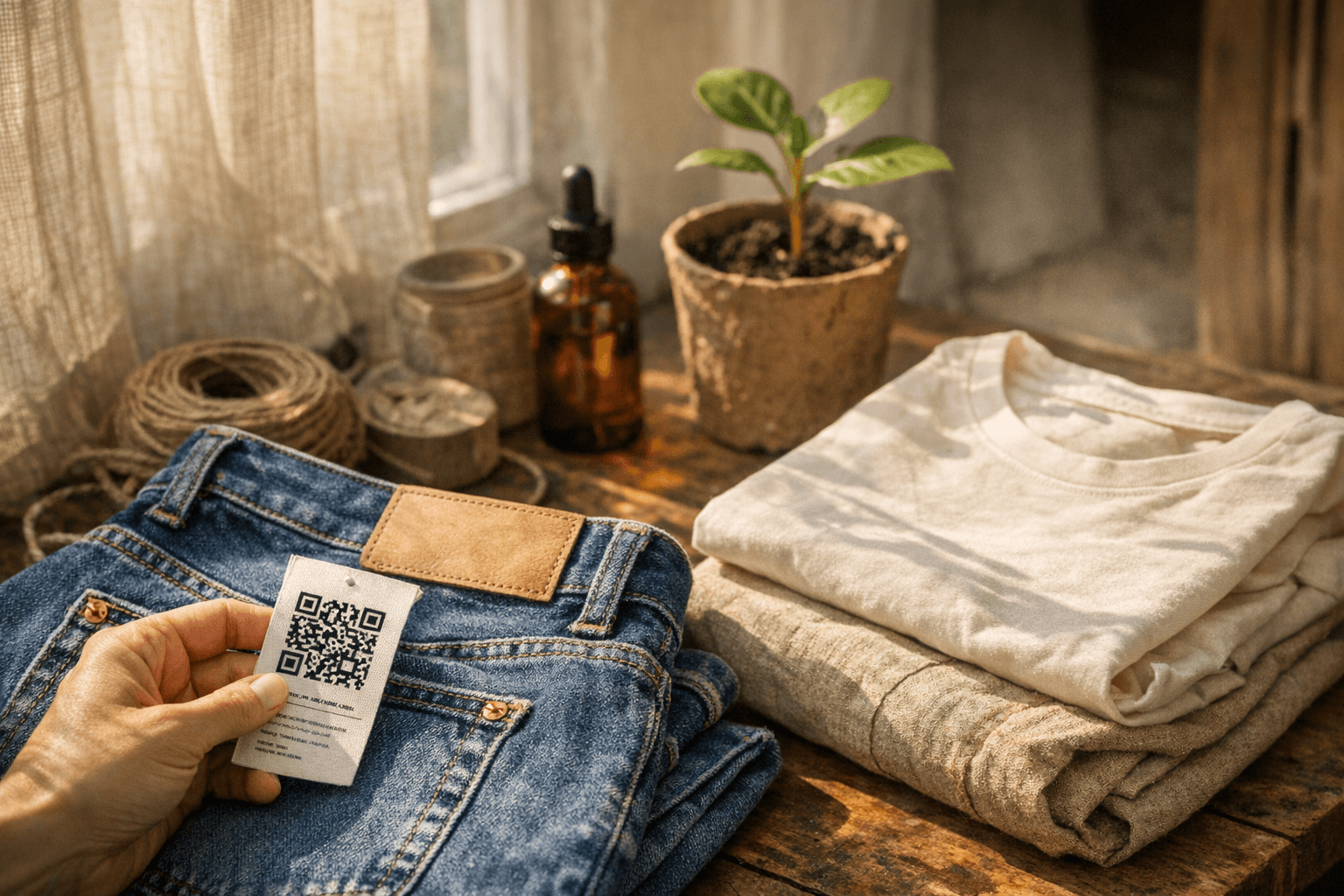
Those passports matter because they push beyond the usual fiber-percentage talking points. Armedangels says each one covers nine data points through a scannable QR code on the label of all garments from Spring 2025. For a shopper, that could mean a cleaner line of sight into what a piece is made from and where it came from. For retailers, it raises the bar on what counts as credible sustainability merchandising. If a brand can tell you the garment’s story at the point of sale, it is harder to hide behind soft-focus claims.
The company’s 2025 transparency report says 33 percent of its supply chain was transparent down to tier 4, with a 2027 target of 80 percent of products reaching that level. That is still a long road, but it is a more specific road than most denim brands are willing to map. On jeans, Armedangels says 23 percent of its denim products are GOTS-approved, and its DetoxDenim line uses organic cotton, recycled cotton, TENCEL x REFIBRA and SaXcell lyocell. Production partners in Turkey and Tunisia use laser and ozone treatments rather than more hazardous conventional bleaching chemicals, a detail that matters because denim remains one of fashion’s dirtiest categories, and finishing is often where the damage hides.
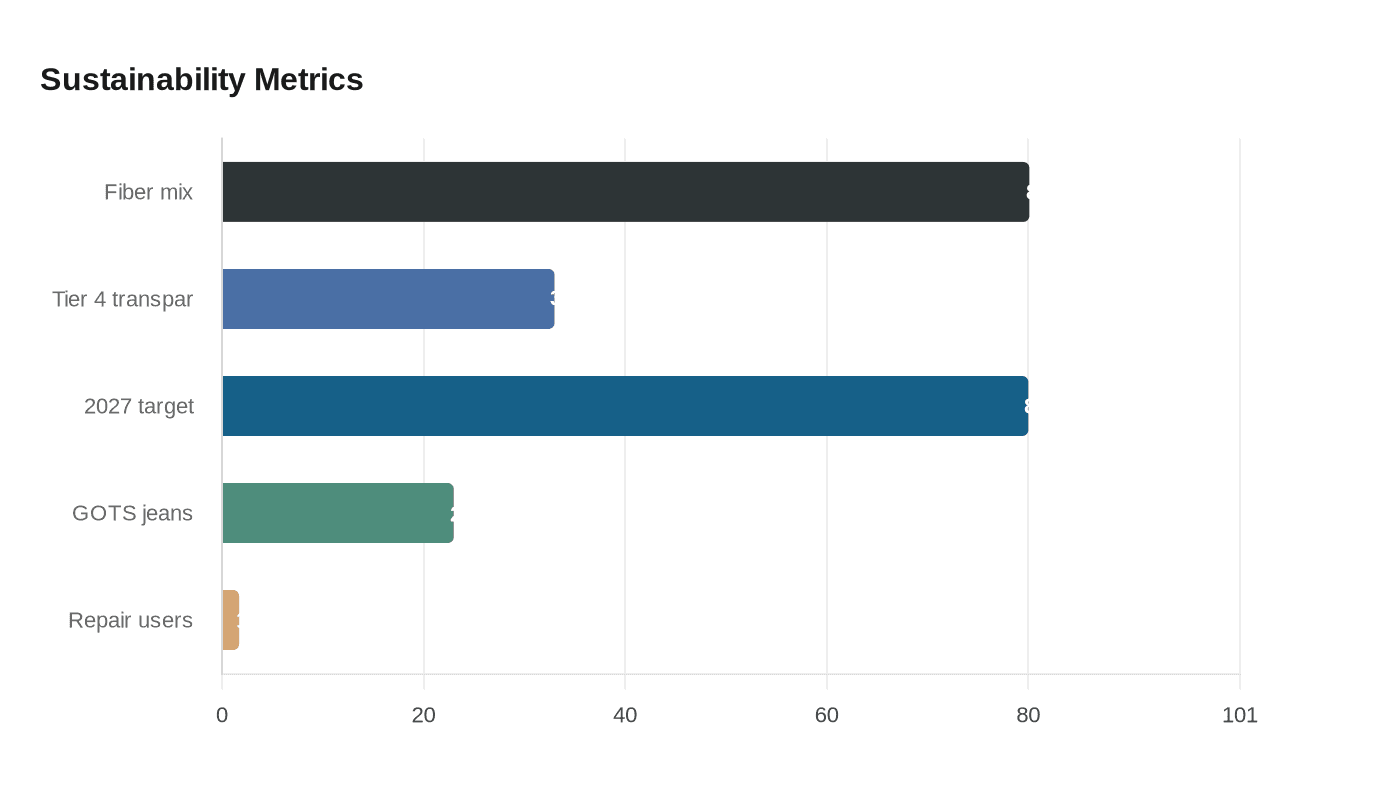
The circularity story is less polished. Armedangels says it identified a viable textile-to-textile recycling partner in 2025, but the project was not yet operational, and only 1.7 percent of webshop customers used repair, resale and recycle systems that year. That gap is the real measure of the brand’s US moment: not whether it can speak the language of sustainability, but whether it can make the infrastructure of responsibility visible, useful and hard to ignore.
This article was produced by Prism’s automated news system from verified source data, official records, and press releases, then run through automated quality and moderation checks before publishing. The system is built and supervised by the people who set the standards it runs under. Read our full AI policy.
Did this article answer your question?