Germany Relaunches Textile Sustainability Network to Strengthen Supply Chains
Germany’s textile sector has a new accountability test: DST launched with BMZ and GIZ backing as due-diligence rules push supply-chain standards from pledge to practice.
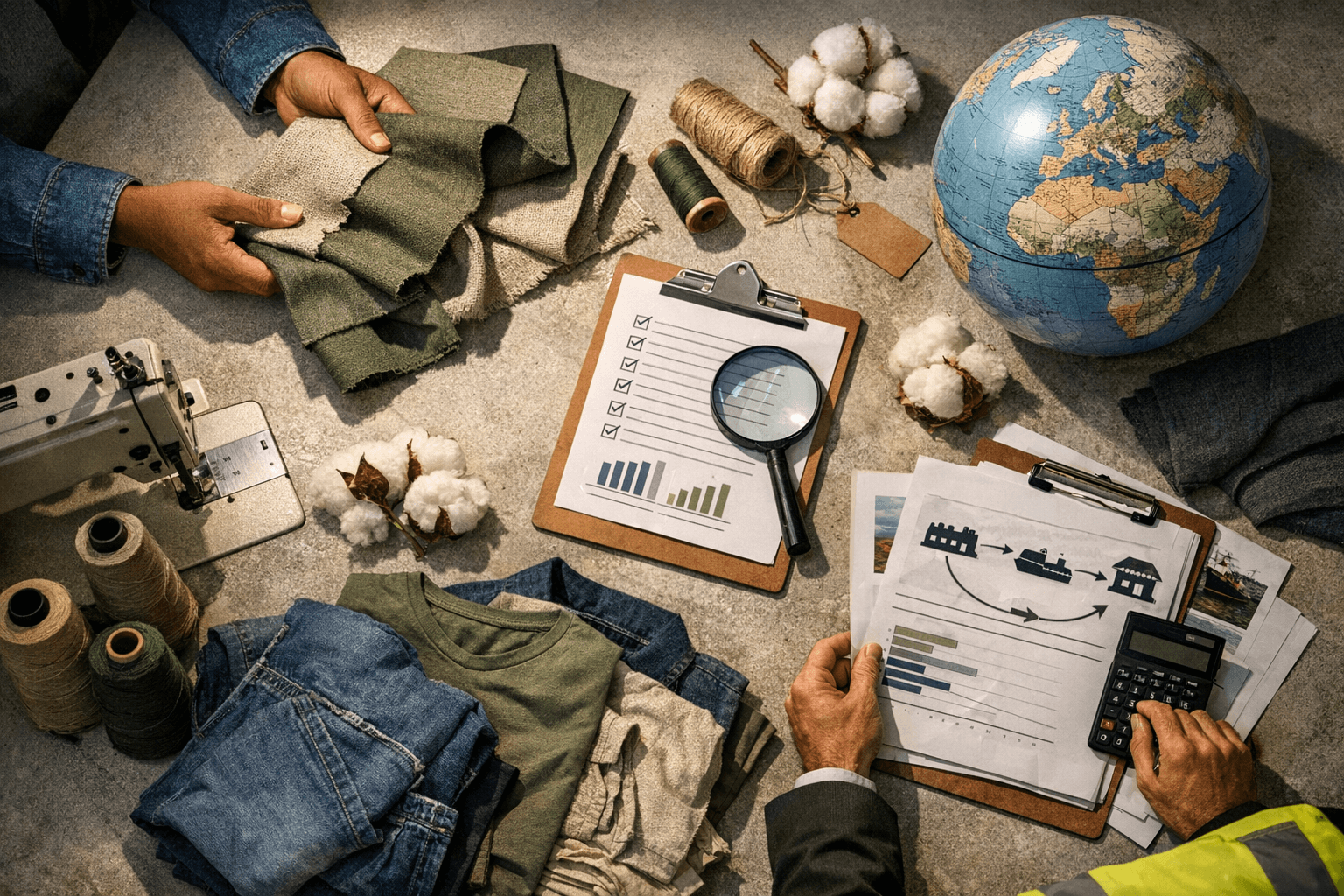
Germany has relaunched its long-running textile sustainability partnership as Dialogue and Impact for Sustainable Textiles, or DST, turning a familiar cooperation platform into a sharper test of whether the industry can deliver more than polished promises. The kick-off in Berlin on 20 and 21 April 2026 drew more than 150 participants from business, civil society, trade unions, science and politics, with BMZ casting the new format as a network meant to be “more effective and binding.”
That language matters. The former Partnership for Sustainable Textiles, launched by BMZ in 2014, was built around broad collaboration; DST keeps that architecture but tightens the brief. The network now frames its work around a socially, ecologically and economically sustainable textile and clothing industry, with human rights across the entire value chain still at the center. Its stated priorities are practical exchange, knowledge transfer, joint initiatives and the involvement of local actors, a shift that suggests less conference-room consensus and more operational pressure.
The timing is just as important as the rebrand. Germany’s Supply Chain Due Diligence Act entered into force at the beginning of 2023, making German-based companies legally responsible for human rights and environmental standards in their supply chains. The partnership has said the changing regulatory framework, along with more dynamic industry conditions, helped set the course for the relaunch. In other words, DST arrives after the easy era of voluntary sustainability talk, when brands could gesture at responsibility without always proving how it traveled from boardroom to factory floor.
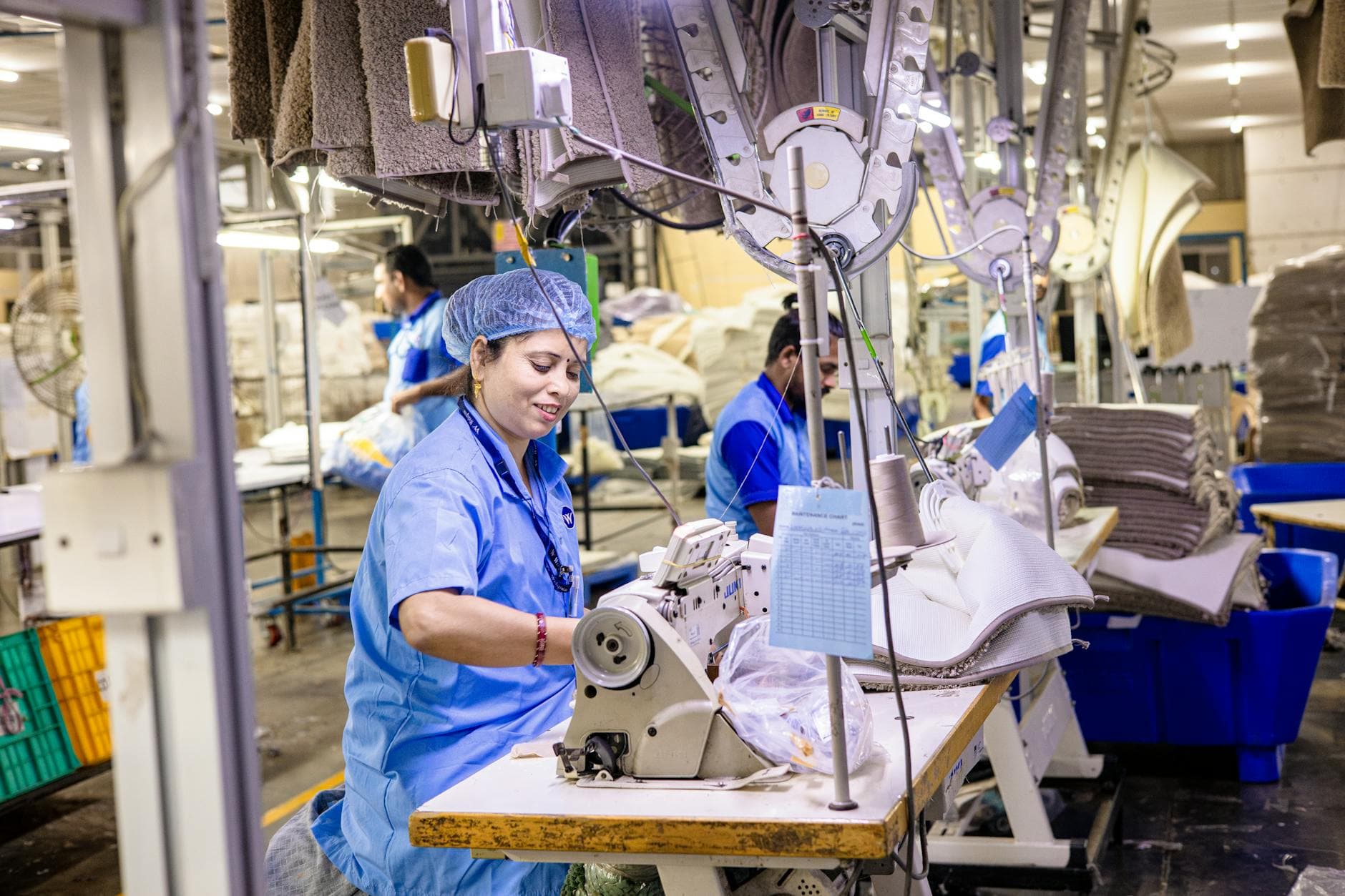
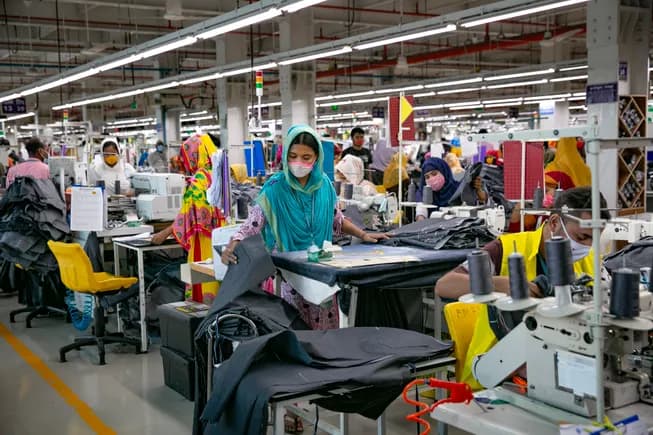
GIZ backs the work through its broader sector programme on sustainable supply chains, which also supports Germany’s Green Button textile label. That gives DST a useful institutional spine, but also raises the standard it must meet. For a sector still defined by opaque sourcing, long subcontracting chains and uneven enforcement, the real question is whether this network can turn multi-stakeholder governance into something brands and suppliers have to take seriously, not just something they endorse in public. The relaunch suggests Germany wants its textile diplomacy to look less ceremonial and more enforceable.
This article was produced by Prism’s automated news system from verified source data, official records, and press releases, then run through automated quality and moderation checks before publishing. The system is built and supervised by the people who set the standards it runs under. Read our full AI policy.
Did this article answer your question?