Asia-Pacific garment workers press brands for living wages and fair bargaining
Asia-Pacific brands are under pressure to back living wages, as Cambodia’s wage fight and a 1.3 billion-worker vulnerability gap expose fashion’s sustainability blind spot.
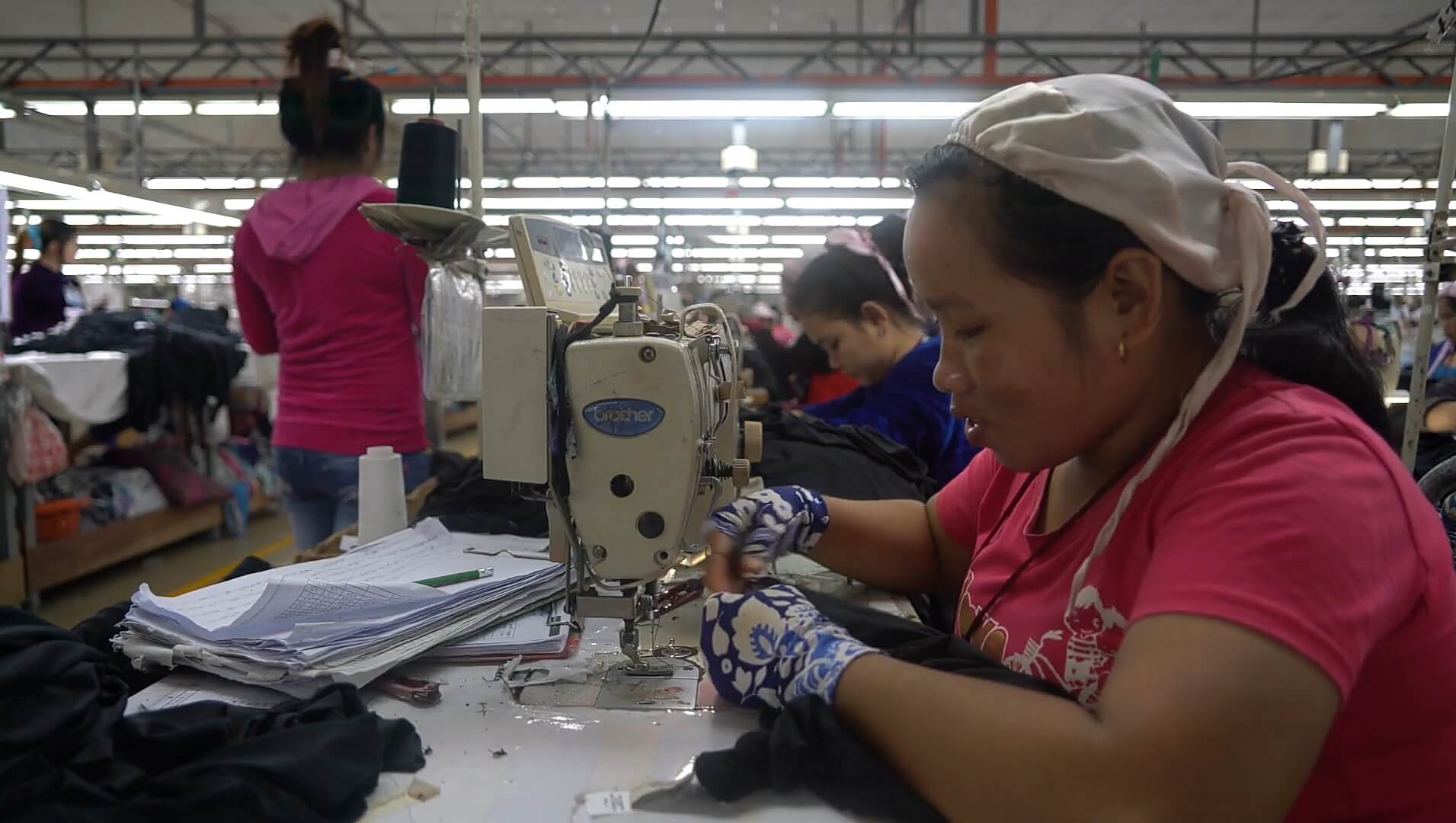
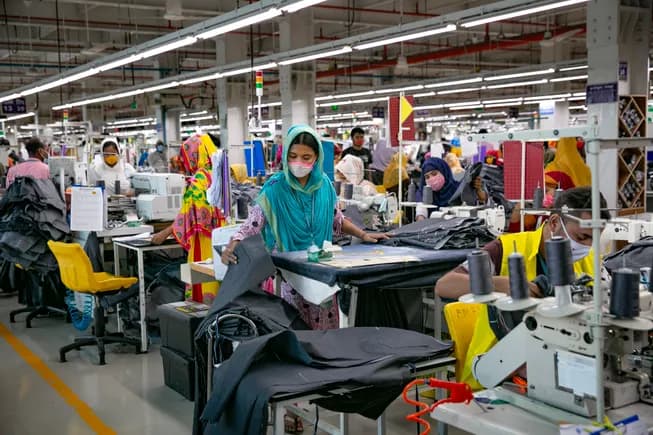
The sustainability story fashion likes to tell about recycled fibers and lower-carbon dye houses still breaks at the pay packet. In Asia-Pacific, the engine of global garment and textile production, IndustriALL says the region accounts for about 60 per cent of global exports, yet the people sewing the clothes are still being paid at poverty levels in key hubs such as Cambodia and Bangladesh.
That contradiction is now too large for brands to paper over with better marketing copy. IndustriALL says the global textile and garment industry employs about 60 million workers, while the International Labour Organization says Asia and the Pacific still has 1.3 billion vulnerable workers, including women, migrants and informal workers. The ILO adds that more than 90 per cent of low-wage workers in the region are in informal employment, which helps explain why minimum-wage systems keep falling short of a living wage.
The pressure is especially sharp in Cambodia, where campaigners and unions pushed in September 2025 to raise the 2026 garment and footwear minimum wage from US$208 to US$232 a month. That is not an abstract debate about cost curves. It is the difference between a pay packet that covers rent, food and transport and one that does not, in a country that remains central to fast-fashion sourcing.
IndustriALL has long argued that the problem is structural, not seasonal. Its ACT approach ties living wages to industry-wide collective agreements and responsible brand purchasing practices, saying wage fixes cannot be left to minimum-wage boards alone when buying offices still squeeze suppliers on lead times and margins. If brands want the reassurance of “sustainable sourcing”, they will have to accept the unglamorous mechanics that make it real: longer contracts, less last-minute price pressure and a willingness to pay more for labor.
The union push is widening across the region. In November 2024, the Asia Floor Wage Alliance called for living wages across Bangladesh, Cambodia, India, Indonesia, Myanmar, the Philippines, Sri Lanka and Vietnam, underscoring how widespread the gap remains. In September 2025, the ILO brought participants from 16 countries to Colombo to discuss living wages in Asia and the Pacific, and said the agenda should be built through social dialogue and collective bargaining.
By February 2026, the argument had moved deeper into fashion’s climate language. ITUC and IndustriALL launched a Just Transition Manifesto for the textile and garment supply chain, insisting that decarbonisation and circularity must come with binding guarantees on workers’ pay and conditions. For brands, that means the real sustainability question is no longer only how a dress is dyed or recycled, but who absorbed the cost of making it. If wages rise toward a living wage, margins will tighten, sourcing strategies will have to become more disciplined, and garment prices may finally start reflecting the true cost of production.
This article was produced by Prism’s automated news system from verified source data, official records, and press releases, then run through automated quality and moderation checks before publishing. The system is built and supervised by the people who set the standards it runs under. Read our full AI policy.
Did this article answer your question?