Bangladesh apparel makers urge brands to fund EU passport shift
Bangladesh’s garment makers want European brands to help pay for the new passport era. The real fight is over who funds the software, training and factory upgrades behind traceability.
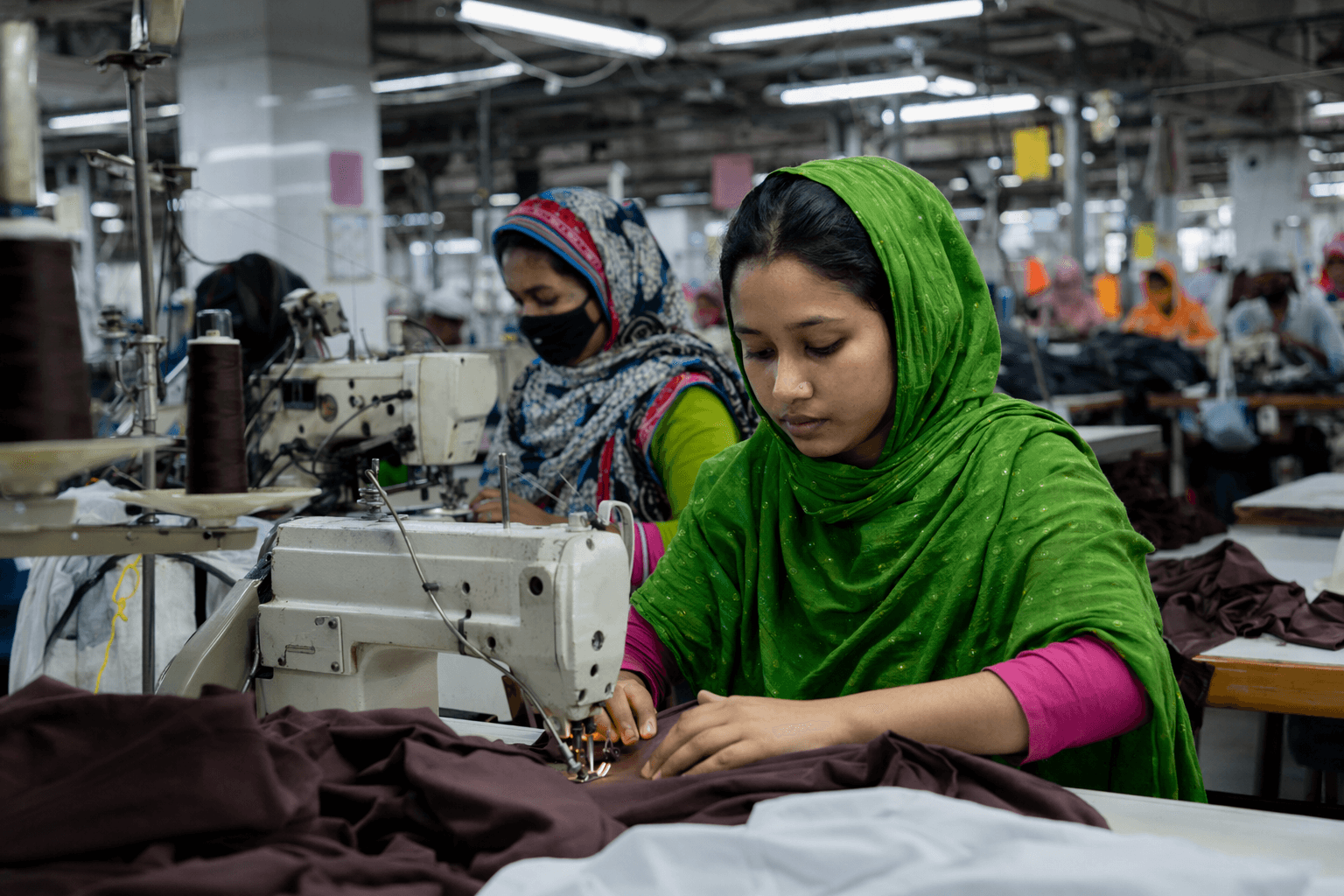
The digital product passport era is landing with a price tag, and Bangladesh’s garment exporters do not want to eat it alone. As the EU pushes textile rules toward a 2027 rollout, the Bangladesh Garment Manufacturers and Exporters Association is pressing European brands to help finance the software, traceability systems and factory upgrades needed to make passport-ready products.
That pressure is rising fast. The EU’s Ecodesign for Sustainable Products Regulation took effect on 18 July 2024, and the European Commission added fresh momentum on 9 February 2026 by adopting measures to stop the destruction of unsold clothes and shoes. The direction is clear: fashion’s compliance burden is getting heavier, not lighter, and the cost will not stay on paper for long.
For Bangladesh, the stakes are especially sharp. BGMEA says it represents around 4,000 registered garment factories, a huge industrial base that feeds some of the world’s biggest apparel labels. Those factories will need more than good intentions if the EU wants cleaner traceability, better circularity and more transparent product data across the value chain. They will need digital systems, staff training, compliance workflows and the kind of factory-level data collection that most suppliers were never asked to build at this scale.
BGMEA moved to formalize that work on 10 May 2026 in Dhaka, signing a memorandum of understanding with AWARE, a Netherlands-based supply chain traceability platform. The partnership is meant to build blockchain-based transparency and digital product passport capabilities for Bangladesh’s ready-made garment industry, with seminars, workshops, roadshows, newsletters, official communications, onboarding support, training and technical assistance for member factories. Separate reporting says the deal is also intended to bring preferential pricing and cross-border fiber-to-garment traceability to suppliers.
That is where the cost-transfer question gets real. A passport system is not just a label on a garment. It is a stack of investments: traceability software, data capture, supplier onboarding, factory training, and the compliance discipline to keep records clean from fiber to finished piece. Brands that demand passport-ready sourcing are essentially asking Bangladeshi manufacturers to modernize the back end of the fashion supply chain on a deadline. The question now is whether those brands will help pay for the infrastructure they want, or simply push the bill downstream until suppliers absorb it in thinner margins and higher risk.
A European Parliament study has already laid out the upside, saying textile digital product passports could benefit producers, supply-chain tiers, regulators, sorters, recyclers and consumers. The hard part is making that promise operational. In Bangladesh, the passport future is arriving through the factory gate, and somebody has to fund the turnstile.
This article was produced by Prism’s automated news system from verified source data, official records, and press releases, then run through automated quality and moderation checks before publishing. The system is built and supervised by the people who set the standards it runs under. Read our full AI policy.
Did this article answer your question?


