France and Italy launch shared ESG framework for luxury supply chains
France and Italy are trying to cut luxury’s ESG paperwork pile with one shared framework for audits, due diligence and supplier documents.

France and Italy just took a swing at one of luxury’s most tedious bottlenecks: the supplier questionnaire pileup. The Federation de la Haute Couture et de la Mode and Camera Nazionale della Moda Italiana, with Pascal Morand and Carlo Capasa behind the push, launched a voluntary ESG harmonization framework for luxury supply chains, a shared baseline meant to replace duplicate audits, repeat document requests and conflicting reporting demands across the same workshops.
The framework was finalized in April 2026 and announced on May 13, 2026. It covers governance, health and safety, human rights and labour conditions, and environmental compliance, with a suggested list of documents suppliers may keep available where applicable. The idea is simple and overdue: give brands a common language without forcing every house to invent its own sustainability dialect before incoming EU rules make the whole system even more crowded.
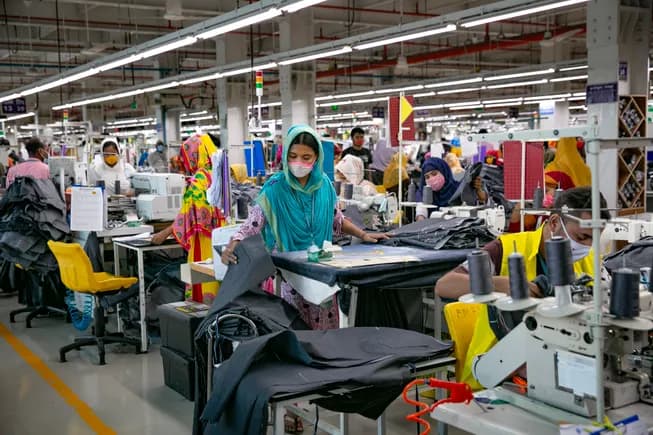
That is where this gets interesting. If a leather workshop in Tuscany or a trim supplier in the Paris orbit can answer one set of standards instead of six, the savings land fast, especially for smaller workshops that already sit at the sharp end of luxury craftsmanship. FHCM says the Franco-Italian initiative began in 2024, and both groups are clear that the framework does not wipe out any legal obligations. It is not a shield against regulation; it is a cleaner way to prepare for it. The next move is a consortium of universities and schools to build ESG best practices and skills across the supply chain, which matters because paperwork alone does not fix a broken factory floor.
The launch also fits a broader Italian push for tighter supply-chain visibility. A voluntary transparency platform under the Milan Tribunal was preparing to start registrations, with supplier data set to track labor, tax, social security, health and safety and contracts, and to trigger alerts against illegal recruitment practices tied to caporalato. The May 2024 Protocol of Milan helped set that in motion. The Fashion Pact is making a parallel bet, too, with its European Accelerator starting in Italy and testing an optional supplier questionnaire on environmental data with 74 suppliers.
So yes, this looks like real harmonization, but only if brands actually stop demanding bespoke ESG paperwork from the same manufacturers over and over. If they do, France and Italy may have just cut a little of the luxury supply chain’s bureaucratic fat. If not, this becomes one more voluntary layer waiting for regulation to flatten it out later.
This article was produced by Prism’s automated news system from verified source data, official records, and press releases, then run through automated quality and moderation checks before publishing. The system is built and supervised by the people who set the standards it runs under. Read our full AI policy.
Did this article answer your question?