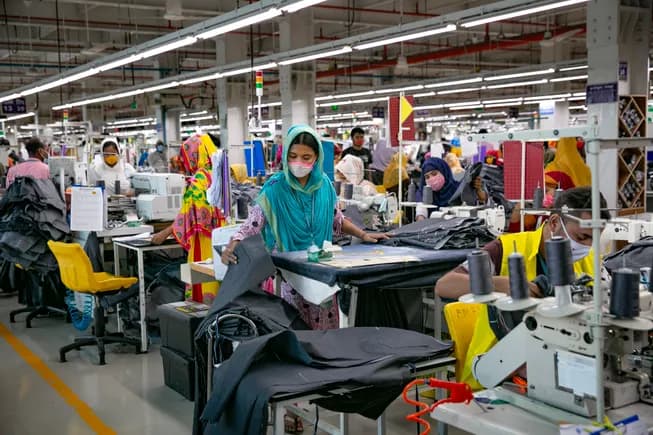
Fashion for Good says resale alone cannot fix fashion overproduction
Fashion for Good found 37% of sampled garments were undamaged, yet sorting, cleaning and low resale value still crushed circular fashion’s math.

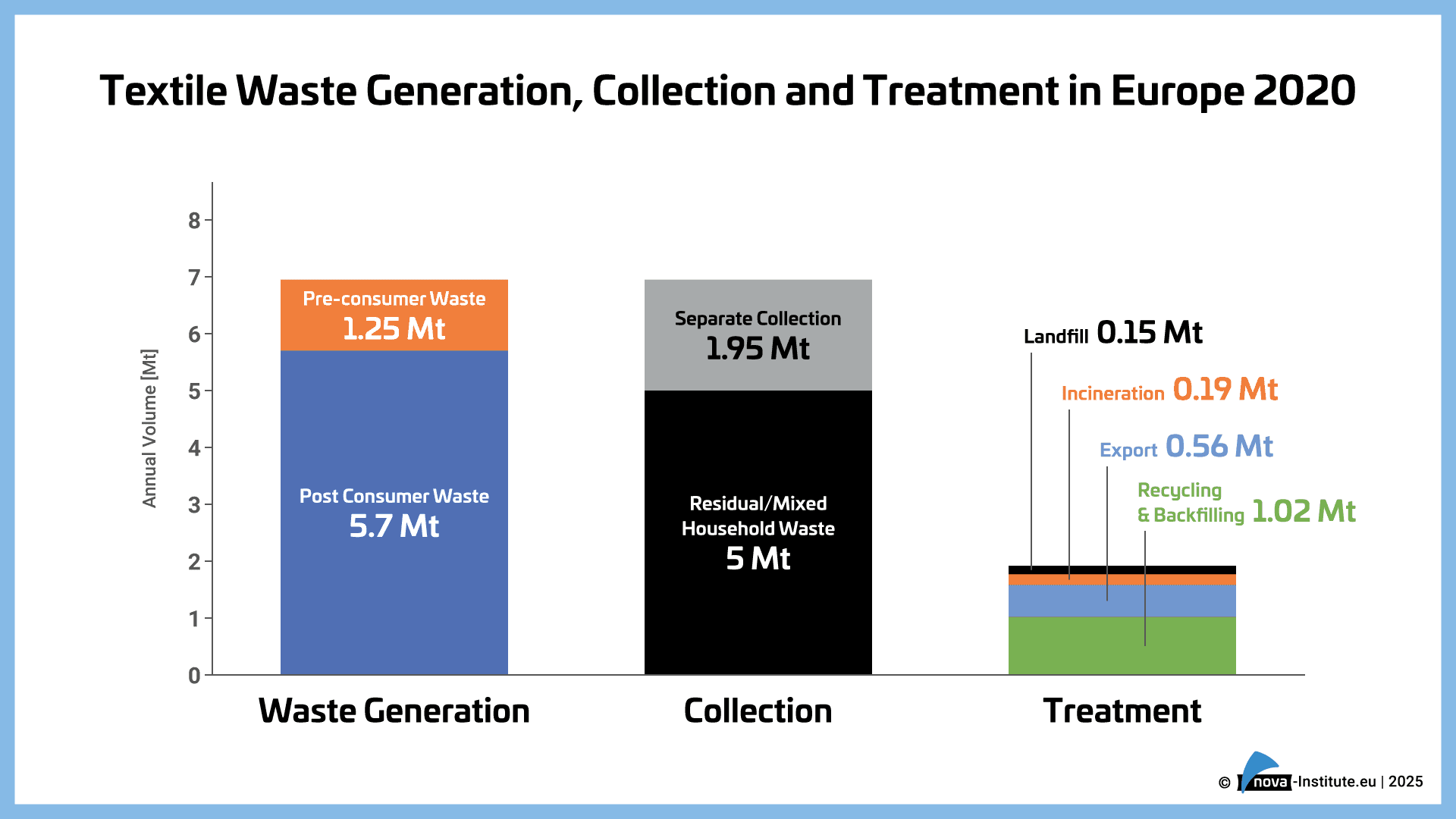
The numbers are blunt: 37% of the 8,280 garments Fashion for Good sampled across four European countries had no damage at all, yet that did not make resale or repair a clean answer to fashion’s overproduction problem. Project Rewear landed on the same ugly truth that keeps surfacing in secondhand: the clothes are often still wearable, but the economics of handling them are not.
That gap gets wider once the pile leaves the charity bin and hits the sorting floor. Fashion for Good’s fieldwork in Ghana’s Kantamanto Market found that more than 86% of the garments sampled arrived damaged even though they had been exported as rewearable. In other words, the system is not just moving clothes around. It is paying to sort, clean, grade, transport and inspect product that often has too little residual value to justify the effort, especially when the original garments were cheap basics never built to age gracefully.
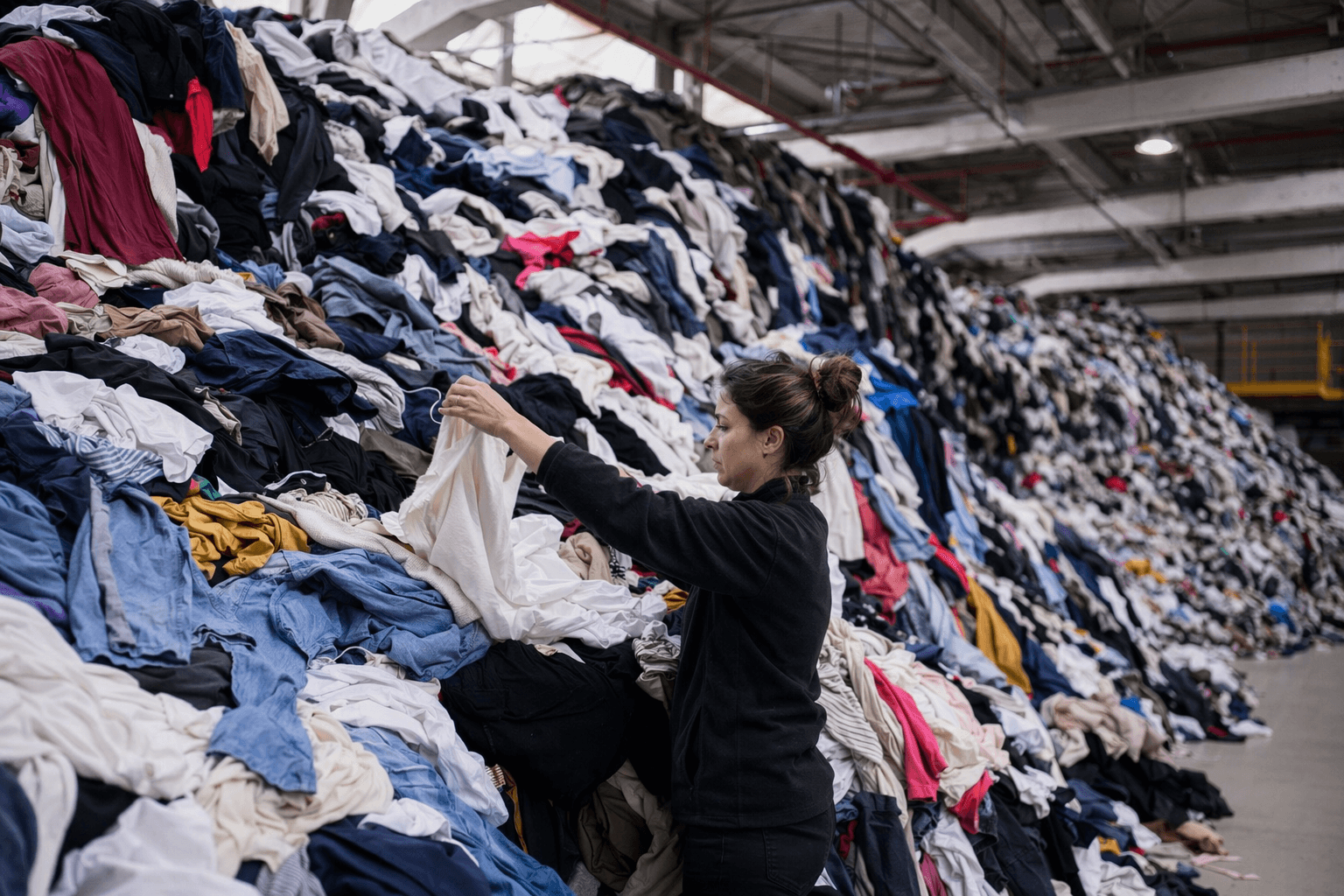
Project Rewear, published on May 12, was built around that exact headache. Launched in January 2024 as an 18-month initiative with Circle Economy, it brought in adidas, Inditex, Levi Strauss & Co. and Zalando, alongside sorters and partners including H&M Group, Erdotex, ModaRe, Humana People to People Baltic and Wtòrpol. The project was designed to better understand resale potential and demand across the secondhand market, while also responding to European Union regulatory changes and the industry’s addiction to disposable fashion.
The clearest proof that circularity can work, but only in narrow lanes, came from the pilots. In one, AI-powered sorting shifted the modeled profit for a mid-sized sorting facility from zero to €6.5 million annually. That is not a feel-good sustainability slogan; that is operational muscle. In another pilot, a repaired jacket sold for €125, which is the kind of number that makes sense when the garment has real material value, construction worth saving, and a buyer who will pay for it. Fast-fashion basics, by contrast, rarely break even after repair, which tells you everything about the problem at the source.
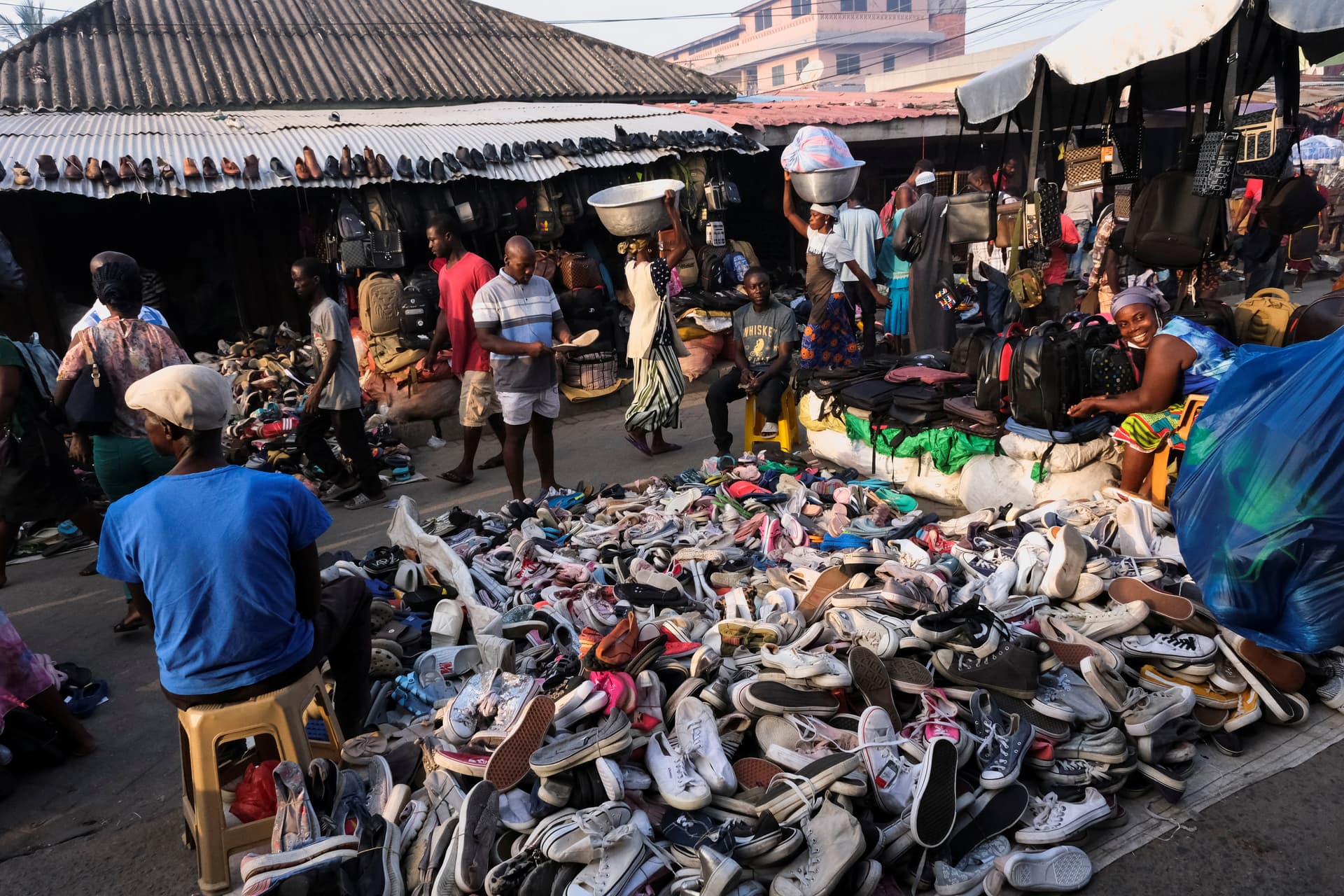
Fashion for Good framed Project Rewear as a picture of where the global secondhand system works, where it fails and what would be needed to fix it. That sits neatly beside its earlier Sorting for Circularity Europe work, a 16-month analysis concluded in September 2022 that mapped Belgium, Germany, the Netherlands, Poland, Spain and the United Kingdom and pushed for new revenue streams for sorters and recyclers. The lesson across both projects is the same: resale and repair can stretch value at the margins, but they cannot absorb endless volume. Until brands make fewer cheap clothes, circular fashion will keep doing expensive damage control.
This article was produced by Prism’s automated news system from verified source data, official records, and press releases, then run through automated quality and moderation checks before publishing. The system is built and supervised by the people who set the standards it runs under. Read our full AI policy.
Did this article answer your question?