Bangladesh drops off worst workers rights list after labor reforms
Bangladesh slipped off the ITUC’s worst workers’ rights list, but its rating stayed at 5 and union protections still look fragile on the factory floor.

Bangladesh has finally fallen out of the world’s 10 worst countries for workers’ rights, but the real question for fashion is whether the change will last once the spotlight moves on. The International Trade Union Confederation’s 2026 Global Rights Index, released June 1, pushed Bangladesh off the list for the first time in nearly a decade, yet the country still sat at rating 5, meaning there was no guarantee of rights.
That is the sharp edge of this story: reform arrived, but not redemption. Bangladesh had been in the ITUC’s worst category for nine straight years, from 2017 through 2025, and the improvement came only after the 2024 fall of Sheikh Hasina’s government and the November 2025 labour-law changes under the interim administration led by Muhammad Yunus. The new rules lowered the barriers to forming trade unions in factories with 20 to 300 workers, where 20 workers can now organize a union instead of needing approval from 20 percent of the workforce. In factories with 301 to 500 workers, 40 workers can form a union; in plants with 501 to 1,500 workers, the threshold is 100 workers; and in operations with 1,501 to 3,000 workers, it is 300 workers.
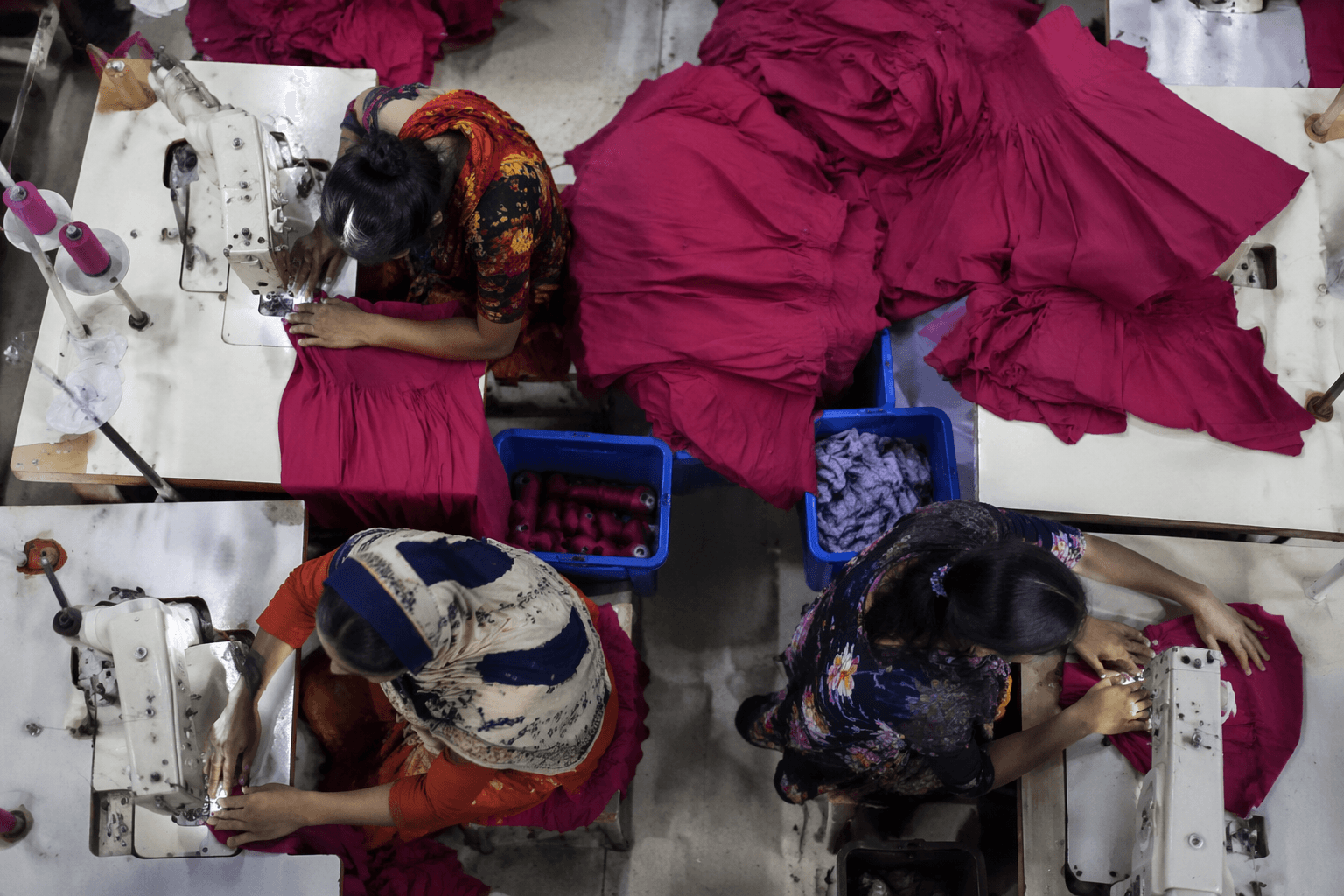
For Bangladesh’s roughly $40 billion apparel export sector, those numbers matter because labor rights are not an abstract governance issue. They are part of the cost of doing business, and a central test of whether global brands can keep sourcing from Dhaka without inheriting reputational risk. The Bangladesh Labour Commission had already warned in 2025 that low wages, weak enforcement, informal work, and the absence of social security could invite international trade pressure. The ITUC’s new ranking suggests reform has begun, but it also shows how much still depends on whether the rules reach the shop floor.

That is where the credibility check starts. Amnesty International reported late last year that denial of freedom of association remained widespread across South Asian garment supply chains, with harassment and violence by employers still undermining union rights. Local reporting reflected the same split in Bangladesh: labor advocates welcomed the easier union rules, while factory owners warned of unrest and economic strain. Bangladesh Employers Federation voices that concern from one side of the argument; Bangladesh Trade Union Sangha and Bangladesh Labour Federation push from the other. Babul Akhter, Taslima Akhter and AKM Nasim have all featured in that wider fight over whether paper reforms can survive retaliation, resistance and uneven enforcement.
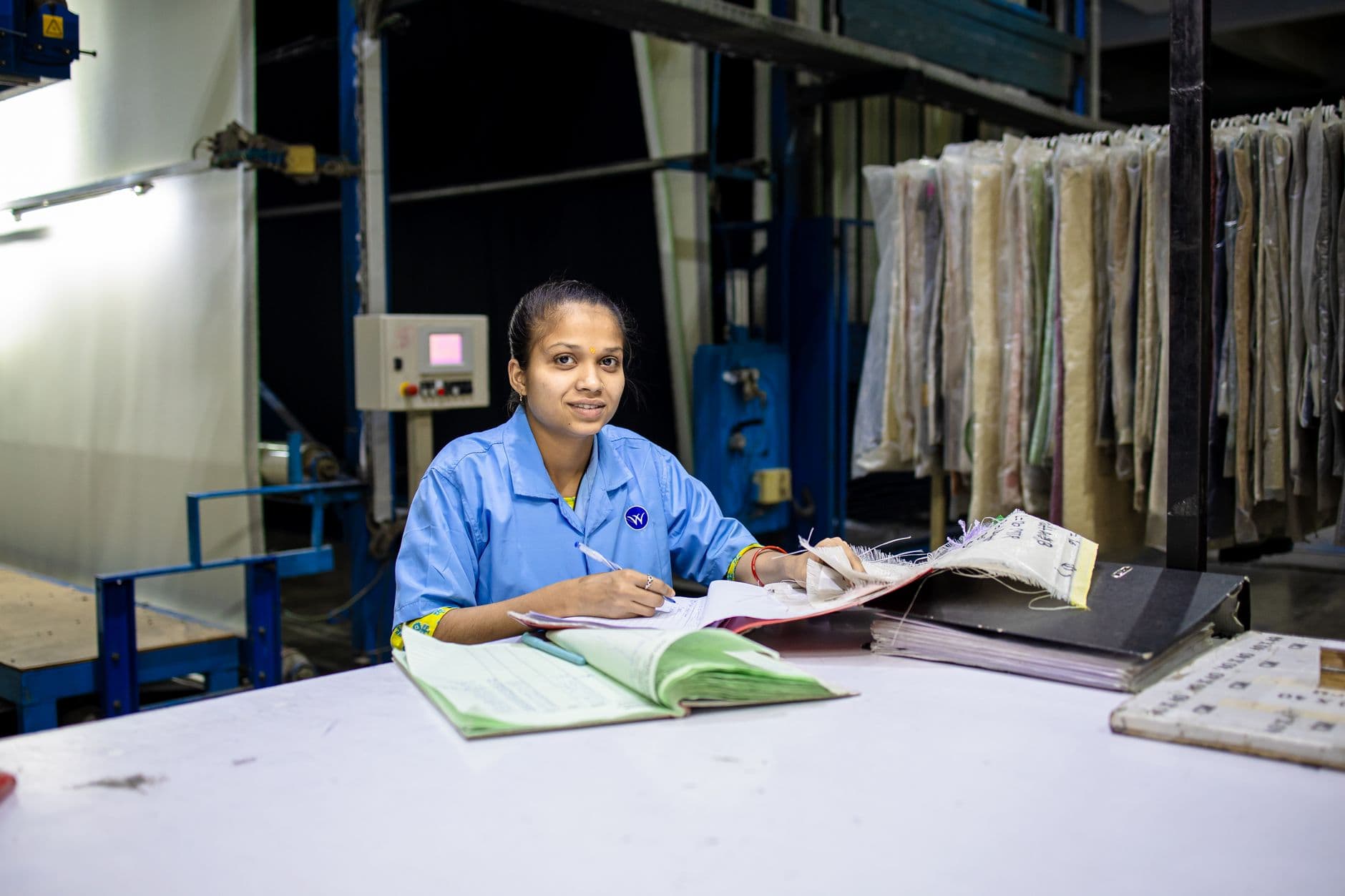
For brands, the lesson is blunt. Bangladesh is no longer sitting at the very bottom of the ITUC’s list, but the supply chain is still under pressure, and the gap between legal change and lived protection remains wide enough to matter. In sustainable fashion, that gap is the story.
This article was produced by Prism’s automated news system from verified source data, official records, and press releases, then run through automated quality and moderation checks before publishing. The system is built and supervised by the people who set the standards it runs under. Read our full AI policy.
Know something we missed? Have a correction or additional information?
Submit a Tip