Bangladesh Pilot Scales Textile Waste Segregation from 129 to 16,000 Tonnes
A Bestseller-led pilot in Bangladesh scaled segregated textile waste from 129 tonnes to 16,000, proving the factory floor is fashion's most powerful recycling tool.
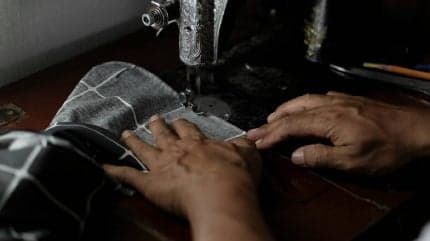
The most powerful lever in fashion's circular economy isn't a new recycling technology or a brand's net-zero pledge. It's a labelled bin on a factory floor in Dhaka.
A pilot programme launched by Bestseller in January 2023 under the SWITCH to Circular Economy Value Chains initiative scaled post-industrial textile waste segregation from 129 tonnes at baseline to more than 16,000 tonnes by November 2025, growing from seven participating suppliers to twenty factories over the course of the project. The figures represent the most granular public evidence yet that upstream action at the point of waste generation, rather than downstream collection after the fact, is the mechanism that unlocks recycling at volume.
The operational architecture was deliberately low-tech and high-contact. The project ran 16 workshops and roundtables, 8 event presentations, and 21 targeted training sessions, pulling nearly 5,000 fashion industry stakeholders into a structured programme designed to change behaviour on the factory floor. Waste handlers engaged in the network grew from 2 to 27. Recyclers connected to sorted feedstock expanded from 2 to 26. Nine manufacturers moved into commercial trials with recyclers including CYCLO to produce garments from recycled cotton inputs, and several factories reported direct financial returns from selling their segregated waste, converting what had been a disposal cost into a revenue stream.
Alexander Granberg, Bestseller's recycling and innovation material manager, described the result as proof of what the industry has long theorised: "Through this project, we have demonstrated that, together with our manufacturers, it is possible to achieve the segregation and transparency needed to drive material recovery. This represents a first and important stepping stone in further building the recycling capacity in the country."
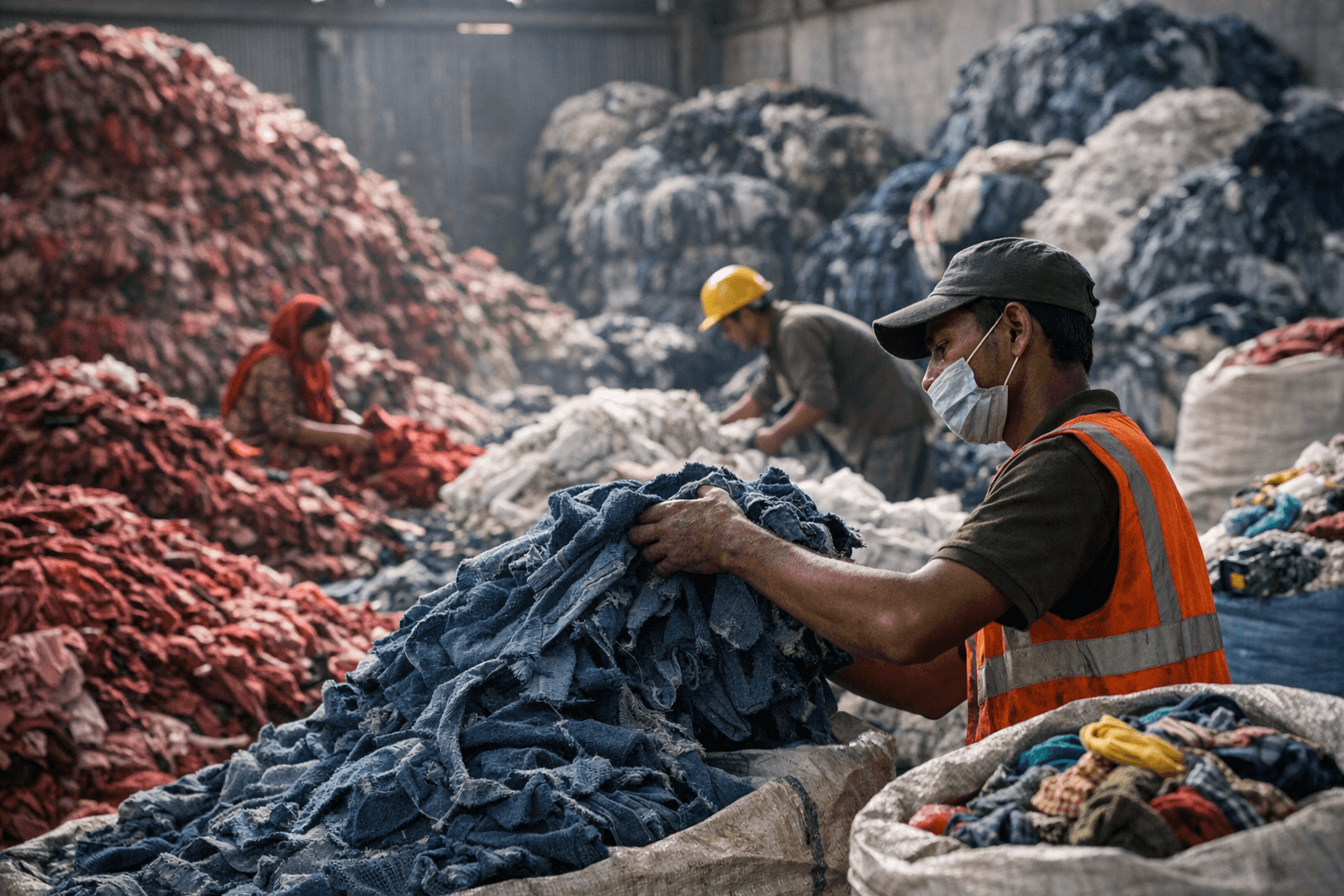
The playbook that emerged is replicable by design: defined waste-handling roles at factory level, a data layer tracking what is sorted and diverted, and structured commercial trials that connect sorted feedstock directly to domestic recyclers. The expansion of both handler and recycler networks from a standing start of two in each category demonstrates how quickly a market can be activated once the upstream infrastructure exists.
Mark Draeck, chief technical adviser for SWITCH2CE at UNIDO, noted that the pilot "revealed a strong supplier appetite for improved waste segregation, transparency, and traceability," with findings now feeding into policy advice aimed at removing institutional barriers to national-scale adoption. Implementation drew in Global Fashion Agenda, BGMEA, and Reverse Resources, with broader programme backing from Circle Economy, the European Investment Bank, and Chatham House. The EU and Finland provided funding.
Bangladesh produces a significant share of the world's ready-made garments, which means the post-industrial cotton waste generated across its factories represents one of the largest untapped recycling feedstocks concentrated in any single country. What this pilot mapped is the distance between that potential and an activated market: not a technology gap, but a sorting gap. At 16,000 tonnes and a recycler network that grew thirteenfold, the project has already closed a meaningful portion of that distance.
This article was produced by Prism’s automated news system from verified source data, official records, and press releases, then run through automated quality and moderation checks before publishing. The system is built and supervised by the people who set the standards it runs under. Read our full AI policy.
Did this article answer your question?


