BASF Opens Green-Powered China Verbund Site to
BASF's Zhanjiang Verbund site houses the world's first steam cracker with renewably powered compressors, cutting CO2 by up to 50% at the chemical roots of textile supply chains.

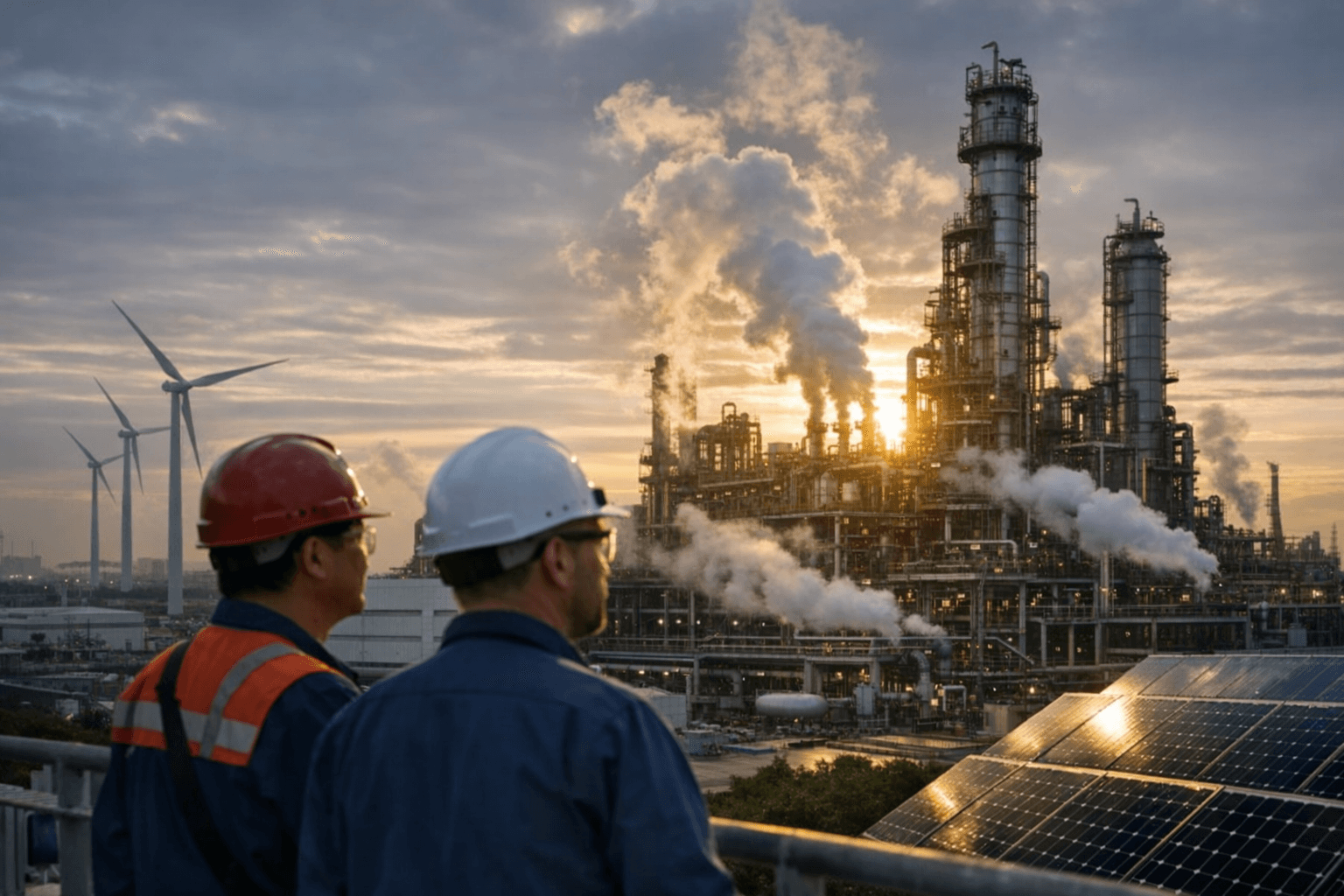
A steam cracker whose main compressors run entirely on renewable energy is now fully operational in Zhanjiang, Guangdong Province, after BASF inaugurated its €8.7 billion integrated Verbund site on March 26. It is, by the company's account, a global first, and its consequences for fashion and textile supply chains extend well beyond the headline investment figure.
The facility covers approximately 4 square kilometres and employs over 2,000 people. Its 1 million tonne per annum ethylene cracker anchors multiple value chains producing basic chemicals, intermediates and specialty chemicals destined for textiles, consumer goods, personal care, electronics, home care and transportation. Long-term green power agreements and an offshore wind investment make the site's electricity supply fully renewable, while Verbund integration and process innovations combine to reduce CO2 emissions by up to 50% compared with a conventional petrochemical site.
"Zhanjiang shows what the future of chemistry looks like: efficient, digital and sustainable by design. The site showcases a smart integrated Verbund structure on an industrial scale," said Dr. Markus Kamieth, BASF's CEO, at the inauguration ceremony.
The flex-feed cracker processes a range of feedstocks including naphtha and butane, and the majority of its output will serve customers directly within China, a defining detail given how much of global textile and apparel production originates there.
Two product lines carry particular weight for fashion's material stack. Engineering plastics, which entered production at the site in 2022, supply the hardware, closures and technical components woven into contemporary garment construction. Thermoplastic polyurethane, which came online in 2024, provides the waterproof membranes in performance outerwear, the structural layers in athletic footwear and the bonding films in laminated fabrics. Both now arrive with dramatically lower embedded carbon than equivalent output from a conventional facility.
The project reached this point on a disciplined trajectory: announced in 2018, construction began in 2019, and by late 2025 into early 2026 BASF launched its first full value chains within the Verbund and ramped the steam cracker ahead of expectations, completing the whole project on schedule and well below its original budget.
For fashion brands working to reduce Scope 3 emissions, the more visible efforts tend to concentrate at the garment or retail tier. Zhanjiang relocates that pressure upstream, to the base polymers and chemical intermediates where a material's carbon footprint is largely set before a single thread is spun.
This article was produced by Prism’s automated news system from verified source data, official records, and press releases, then run through automated quality and moderation checks before publishing. The system is built and supervised by the people who set the standards it runs under. Read our full AI policy.
Did this article answer your question?