Beyond Fabric Choices, Factory Infrastructure Now Defines True Sustainability
Choosing organic cotton isn't enough anymore; the factory powering your clothes matters just as much as what they're made of.
For years, the conversation around sustainable fashion centered on a single question: what is this garment made of? Organic cotton, recycled polyester, Tencel, hemp — the fiber became the shorthand for a brand's environmental credibility. But that framework is rapidly becoming obsolete. The more urgent question now isn't what a garment is made from. It's where it was made, how that factory is powered, and what technology was used to produce it.
Operational infrastructure, the unglamorous combination of energy sourcing, logistics networks, and production technology inside and around manufacturing facilities, has emerged as the defining frontier of credible sustainability. A dress woven from the most pristine organic linen means considerably less if it was cut and sewn in a factory running on coal-fired electricity, then air-freighted across three continents in single-use plastic packaging. The material story and the operational story have to align. Right now, for most of the industry, they don't.
Why materials alone no longer tell the whole story
The organic-and-recycled narrative served an important purpose. It pushed brands to interrogate their supply chains at the fiber level and gave consumers a legible way to make choices. But it also created a convenient stopping point, a place where brands could plant a sustainability flag without doing the harder, more expensive work of reforming how their factories actually function day to day.
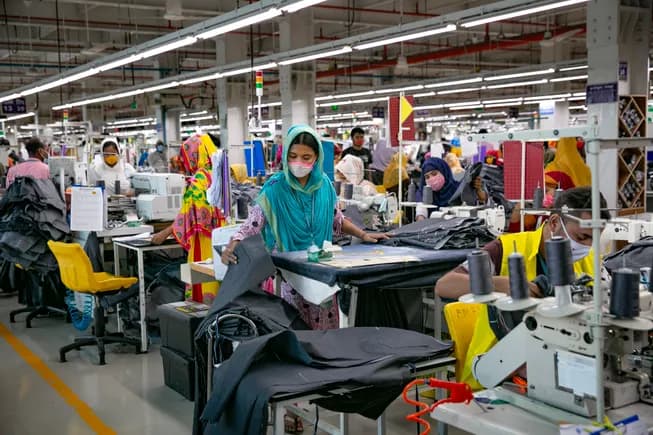
Consider what happens between the fiber and the finished garment. Dyeing and finishing processes are among the most water- and energy-intensive stages in textile production. Cutting and sewing floors consume electricity continuously. Heating, cooling, and running the machinery inside a large-scale facility generates a carbon footprint that can dwarf whatever emissions were saved by choosing recycled input materials. When brands report on sustainability without addressing factory energy sources, they are describing the ingredients while ignoring the kitchen.
The energy question at the heart of manufacturing
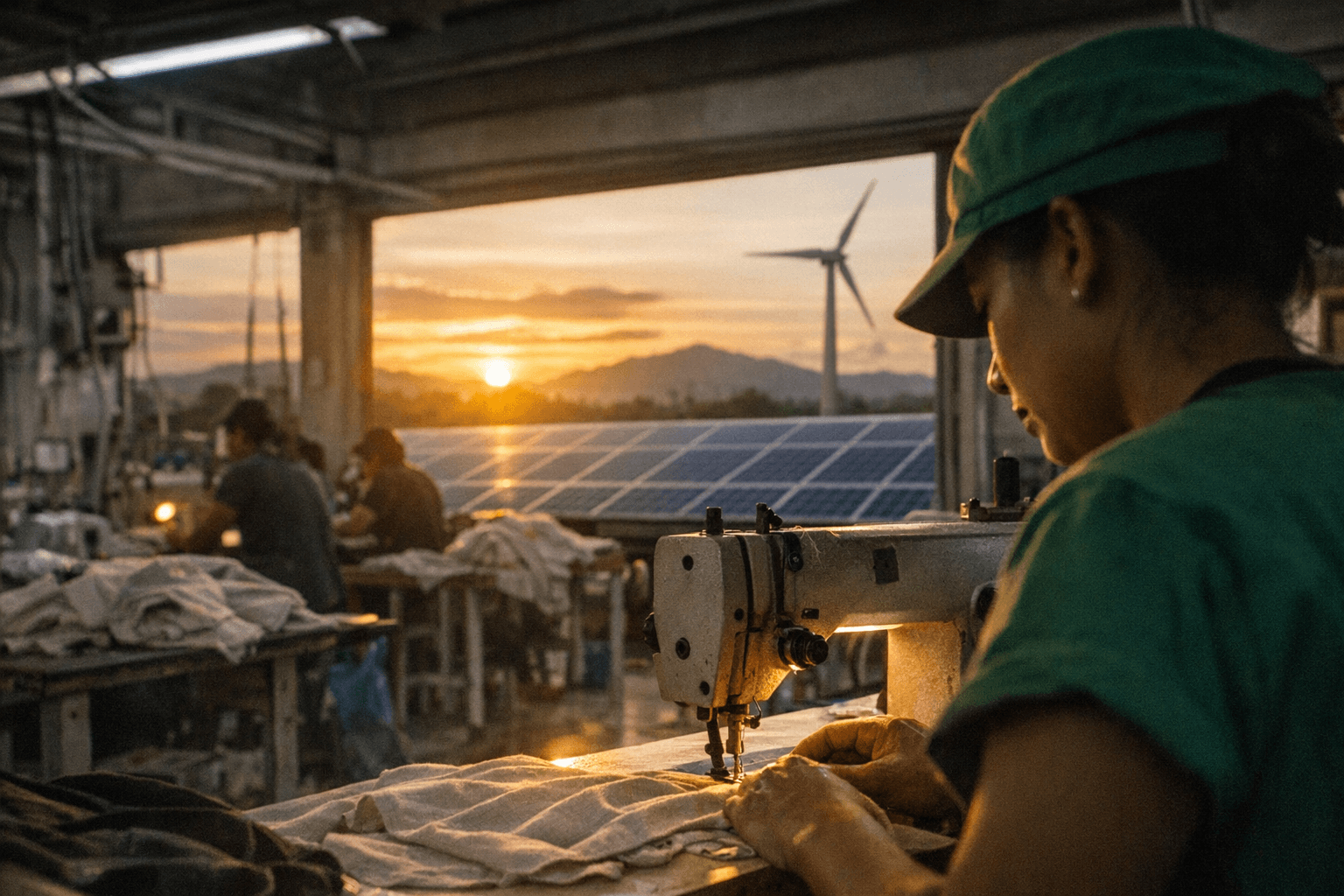
The most significant shift happening inside forward-thinking production facilities right now is the transition away from fossil-fuel-dependent energy toward renewable sourcing. This isn't a cosmetic change. It restructures the carbon math of an entire production run. A factory running on solar or wind power produces a fundamentally different emissions profile than one drawing from a coal-heavy national grid, regardless of what materials are being processed inside it.
This transition requires capital investment that smaller brands and manufacturers in cost-pressured markets struggle to absorb. But the brands making those investments are building a competitive advantage that fabric choices simply cannot replicate. Renewable energy infrastructure, once installed, compounds in value. It reduces operating costs over time, insulates against energy price volatility, and provides a verifiable, auditable sustainability credential that is far harder to greenwash than a vague "natural fibers" marketing claim.
Production technology as a sustainability lever
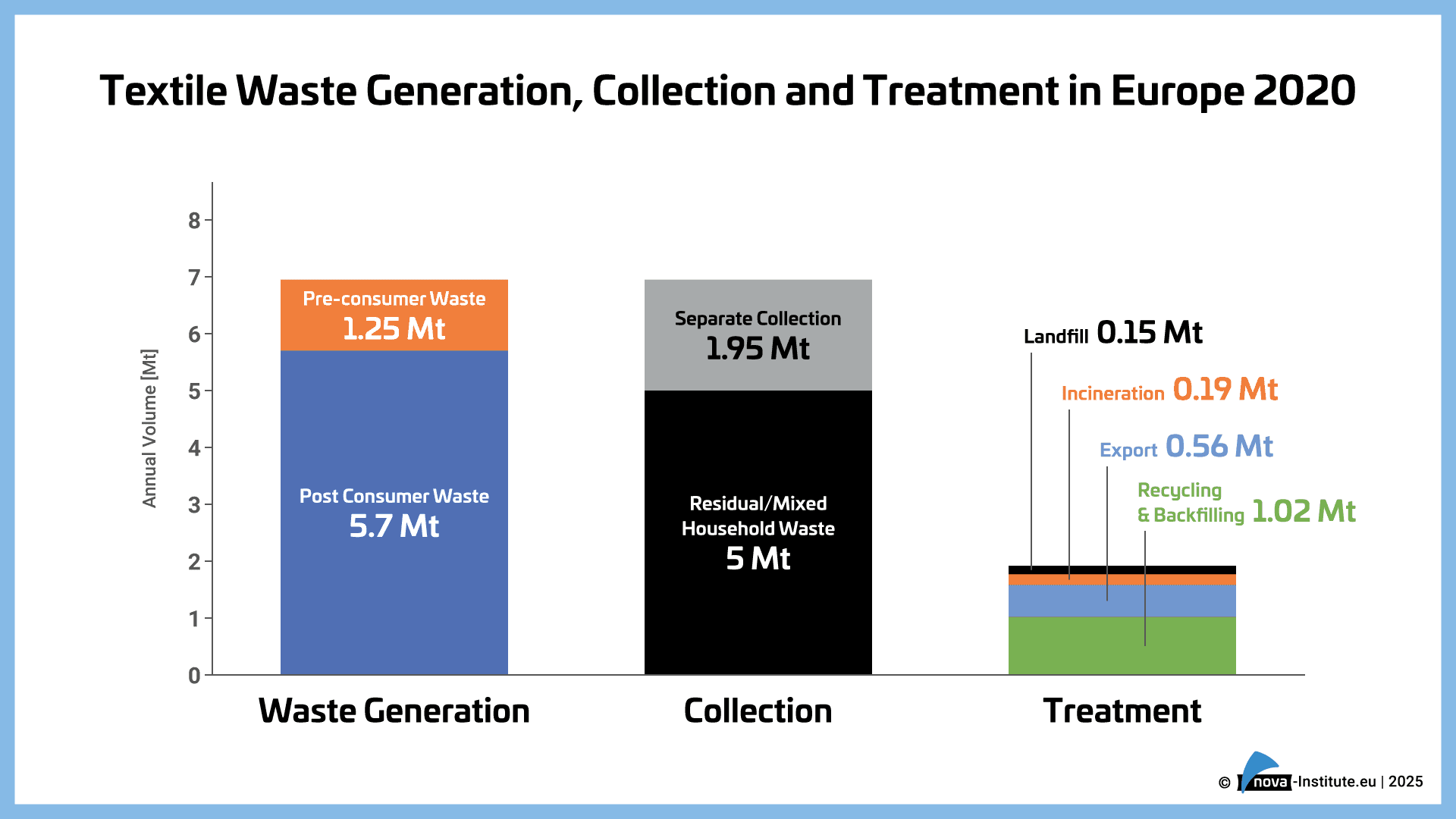
Beyond energy sourcing, the technology a factory deploys in its production processes carries enormous sustainability implications. Waterless dyeing technologies, for instance, eliminate one of the most polluting steps in textile manufacturing. Precision cutting systems driven by digital patterning reduce fabric waste at the source, which matters because the fashion industry generates significant material waste before a single garment reaches the sales floor.
Automated quality control and production monitoring systems also play a role. When factories have real-time visibility into their own resource consumption, they can identify inefficiencies that would otherwise remain invisible. A facility that tracks energy and water use by production stage is in a fundamentally different position than one that only reviews aggregate utility bills at month's end. Technology doesn't just make production faster; in the right configuration, it makes production leaner, cleaner, and more accountable.
Logistics: the sustainability gap nobody talks about
If factory infrastructure is the underreported chapter in sustainable fashion, logistics is practically a footnote. Yet the decisions brands make about how and where to ship finished goods, which carriers they use, how they consolidate shipments, and what packaging they require have substantial environmental consequences.
Air freight, still common for fast-moving fashion categories and emergency replenishment orders, carries a carbon intensity many times higher than sea freight. Brands that have invested carefully in sustainable materials and factory energy sourcing can undermine significant portions of that work with a single decision to air-ship a collection because the timeline slipped. Logistics reform requires the same structural commitment as factory reform: building it into contracts, calendars, and supplier relationships rather than treating it as a variable to be optimized only when convenient.
What credible sustainability claims now require
The brands that will define sustainable fashion's next chapter aren't necessarily the ones with the most innovative materials. They are the ones treating their entire operational infrastructure as a sustainability asset. That means:
- Auditing and disclosing the energy sources powering their manufacturing facilities
- Investing in or requiring factory partners to invest in renewable energy transitions
- Specifying production technologies that reduce water, chemical, and material waste
- Restructuring logistics to prioritize lower-carbon shipping modes and eliminate unnecessary air freight
- Building accountability systems that track resource consumption at the production stage, not just at the material sourcing stage
None of this is simple, and none of it is cheap. But the standards are shifting, and the brands still leading with fiber choices as their primary sustainability credential are increasingly exposed. Sophisticated consumers and institutional buyers alike are developing the literacy to ask harder questions, and those questions now reach further into the supply chain than ever before.
The new benchmark
What's being established, quietly but consequentially, is a higher benchmark for what a credible sustainability claim actually requires. Choosing better materials remains necessary. It is no longer sufficient. The factory, its energy source, its technology, and the logistics chain connecting it to markets: these are the infrastructure layers where the real sustainability story is now written.
Brands that treat this as a compliance exercise will continue to be exposed. Brands that treat it as a design challenge, applying the same rigor and creativity to factory systems that they apply to seasonal collections, are the ones building something durable. In fashion, as in most industries, the most meaningful changes rarely happen where the cameras are pointed.
This article was produced by Prism’s automated news system from verified source data, official records, and press releases, then run through automated quality and moderation checks before publishing. The system is built and supervised by the people who set the standards it runs under. Read our full AI policy.
Did this article answer your question?