BGMEA signs deals with GIZ and Open Supply Hub on garment traceability
BGMEA’s new deals could put Bangladeshi factories on a global map with Universal OS IDs, turning traceability from slogan to testable record.
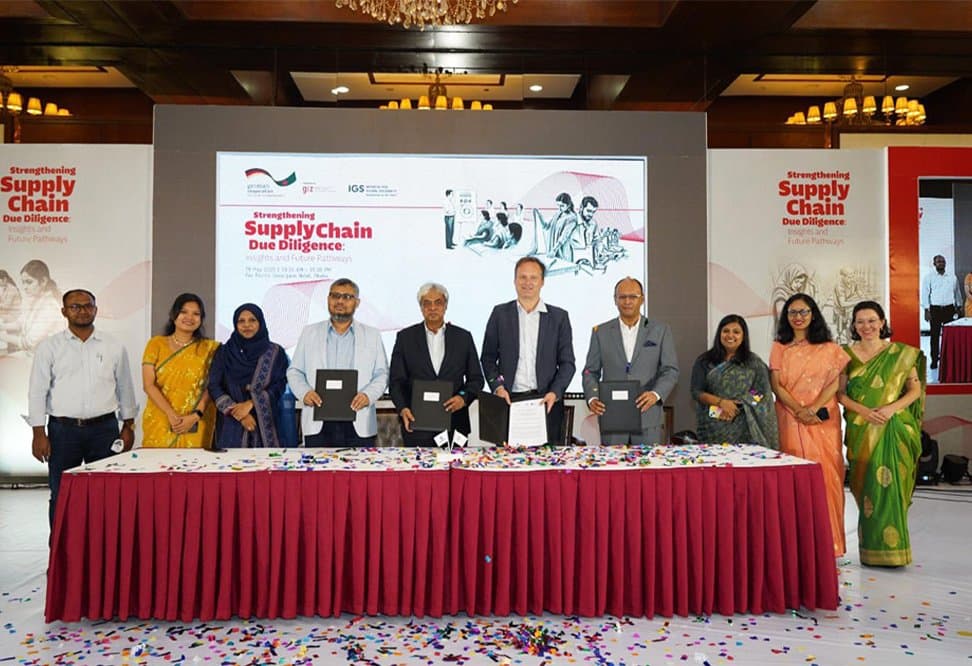
Bangladesh’s garment industry just got two visibility tools that could make sustainability claims a lot harder to hide behind: a factory map and a global ID system. The bigger question is not whether BGMEA can talk about traceability, but whether it can turn a country-sized supply chain into something brands, workers and buyers can actually verify.
On 10 May 2026, at the BGMEA Complex in Uttara, Dhaka, BGMEA signed separate memorandums with GIZ and Open Supply Hub. Mahmud Hasan Khan, Vidiya Amrit Khan, Mohammad Rafique Chowdhury, Shah Rayeed Chowdhury, Sheikh Hossain Muhammad Mustafiz and Enamul Aziz Chowdhury were present for the BGMEA side, alongside GIZ’s Gundolf Klaehn, Michael Clode and Md. Tanvir Masud. The Open Supply Hub signing was done virtually, with Vidiya Amrit Khan signing for BGMEA and Hannah Lenett signing for Open Supply Hub, while Shah Rayeed Chowdhury and M. Sazedul Karim were among those attending.
The Open Supply Hub deal is the cleaner, more visible piece of the package. BGMEA says member factories will be added to Open Supply Hub’s global supply-chain mapping platform and each factory will receive a Universal OS ID. That is the sort of detail the industry has needed for years: a shared identifier, a mapped location, fewer excuses. If it works, brands should be able to see who is actually making their clothes instead of chasing duplicated spreadsheets, and factories should spend less time repeating the same audit for different buyers.
The GIZ memorandum, effective from May 2026 to February 2028, is BGMEA’s first formal MoU with GIZ for garment-industry development. It stretches beyond branding into the messier machinery of sustainability: energy efficiency, circularity, cleaner chemical management, energy audits, digital databases for workers’ social protection, a digital marketplace for textile waste, and stronger support for women’s participation in engineering and management through the Shokti Konya network. That is where traceability starts to become real, because energy use, chemical handling, waste flows and worker-linked systems are the stuff that can eventually expose whether a factory is actually improving or just polishing its language.
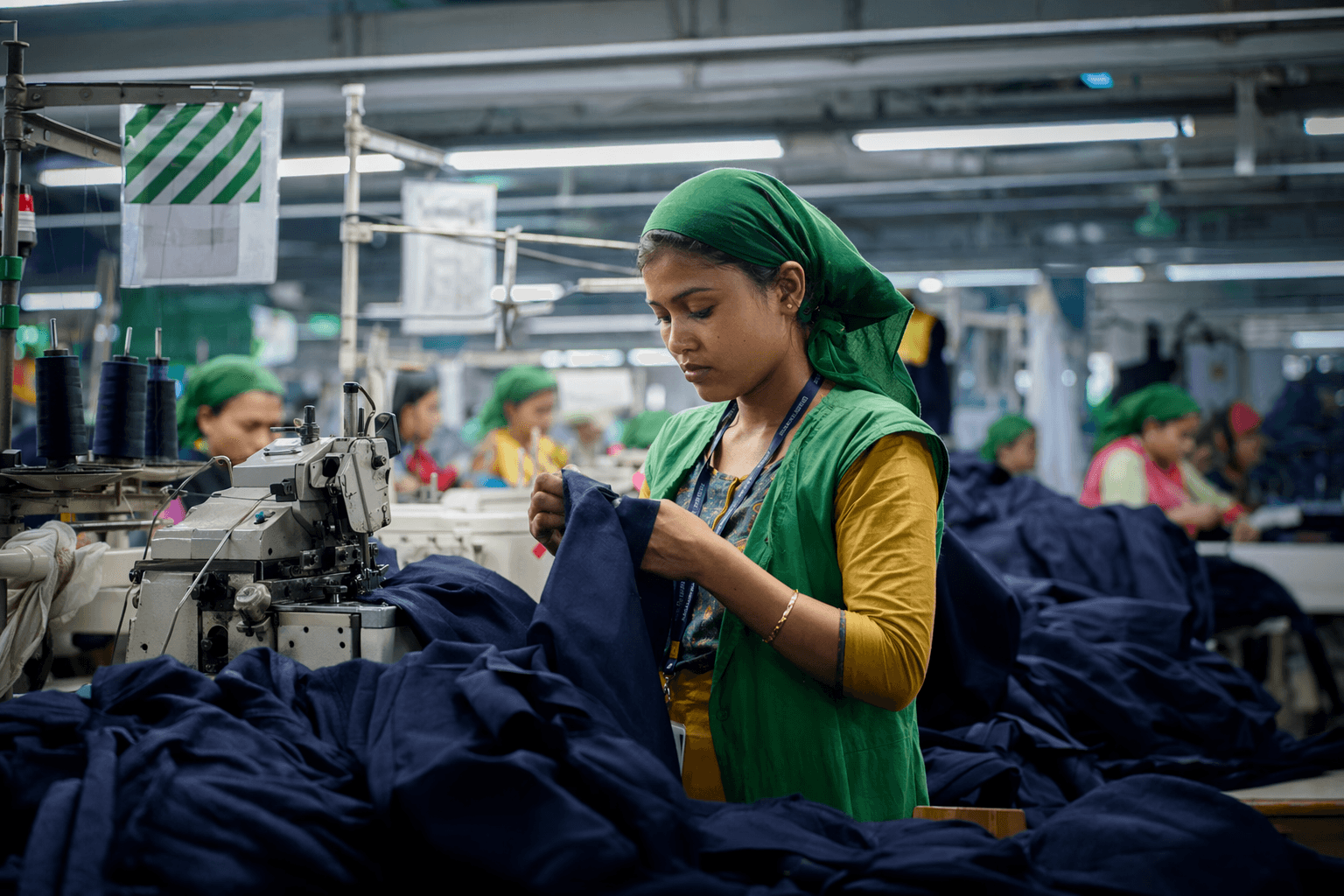
The pressure is already there. GIZ says Bangladesh is the world’s second-largest exporter of garments and textiles after China, and the sector employs more than four million people. Europe’s ecodesign and corporate due diligence rules are pushing suppliers to prove environmental performance and human-rights practices, not just promise them. BGMEA has also been framing sustainability, technological transformation, product and market diversification and innovation as the backbone of resilience as Bangladesh moves through LDC graduation in 2026.
This is the part worth watching: if these agreements become live data, not just formal signatures, Bangladesh’s garment sector will move from broad commitments to a system where factories can be named, mapped and measured. That is the difference between a sustainability slogan and a supply chain that can stand up to scrutiny.
This article was produced by Prism’s automated news system from verified source data, official records, and press releases, then run through automated quality and moderation checks before publishing. The system is built and supervised by the people who set the standards it runs under. Read our full AI policy.
Did this article answer your question?


