University of Birmingham unveils sunlight catalyst to break down dye pollution
Sunlight and water-based mechanics may let dye houses break down pollution instead of trapping it in sludge. Birmingham’s catalyst also tackles stubborn carbon-fluorine compounds.
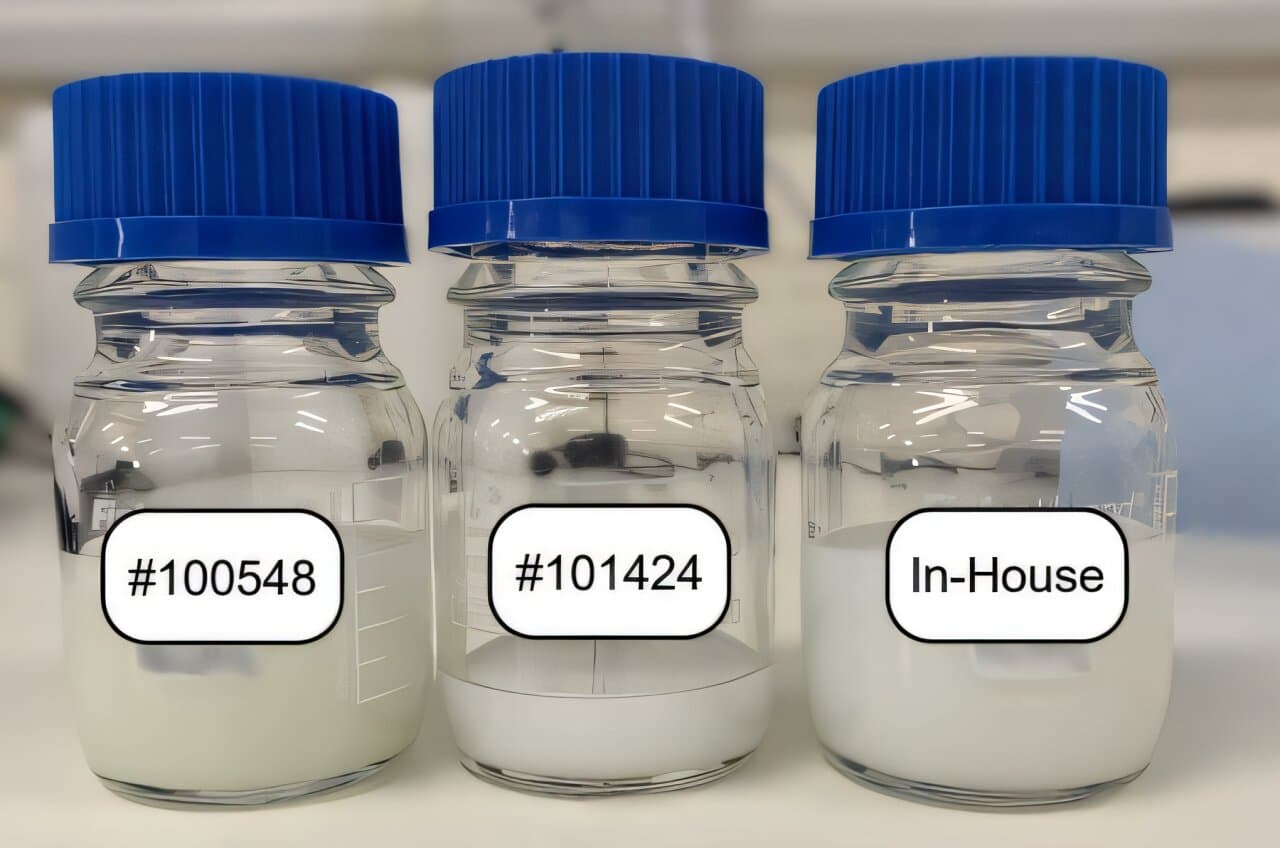
The sharpest promise in Birmingham’s new wastewater catalyst is not that it cleans up dye pollution, but that it tries to erase it. The University of Birmingham said its researchers have shown a sunlight-activated method that breaks toxic pollutants down into simpler, less harmful compounds, a cleaner finish than the industry’s familiar habit of mopping up, coagulating or filtering contamination and then dealing with the waste left behind.
That matters for fashion because textile dyes sit near the center of the sector’s pollution problem. Birmingham said textile dyes are the second-largest contributor to water pollution worldwide, and the university’s work targets the kinds of industrial chemicals that move from dye houses into waterways, where they can contaminate drinking water, disrupt ecosystems and reduce photosynthesis in freshwater and marine plants. The team said the new catalyst can also degrade pollutants containing carbon-fluorine bonds, the kind of persistent chemistry that often makes industrial wastewater so hard to treat.

The method itself is unusual. Birmingham said the catalysts are molecular-thin sheets produced through a water-based mechanical process, then assembled into heterostructures with tailored photoelectronic properties. The university’s researchers said that matters because conventional large-scale manufacture of sunlight-activated catalysts has been held back by toxic solvents. That makes this less like a delicate laboratory curiosity and more like a production pathway with a shot at industrial scale, especially if it can be adapted for the dyeing and finishing plants that anchor manufacturing hubs across Asia, Europe and beyond.
The early performance claim is encouraging. Ecotextile News reported that the catalyst accelerated the breakdown of model dye pollutants by up to 2.5 times compared with bulk materials. That kind of gain is not just about speed; in industrial wastewater treatment, faster degradation can mean less energy spent moving and holding water, less sludge to dispose of, and less need to shift pollutants from one waste stream to another. The university said current cleanup methods are less desirable precisely because they do not destroy the compounds at the source.
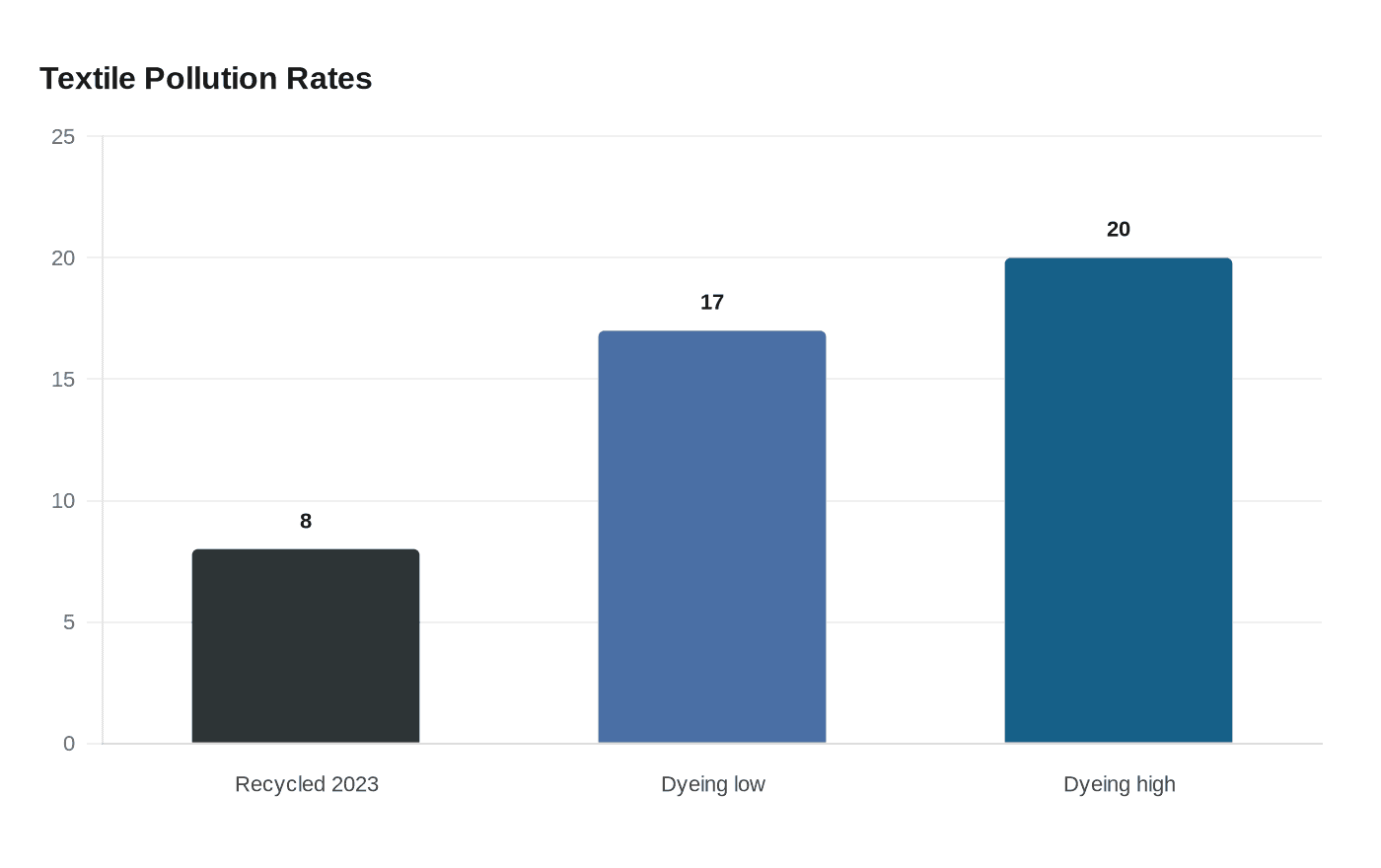
The scale of the fashion problem gives the science its urgency. UNEP said in 2025 that 92 million tonnes of textile waste are produced globally every year, production doubled from 2000 to 2015, and only 8% of textile fibres in 2023 came from recycled sources. Scientific reviews have put textile dyeing and fabric finishing at 17% to 20% of industrial water pollution, while another recent review estimated the global textile industry releases 40,000 to 50,000 tons of dyes into aquatic systems each year.
Birmingham’s wider wastewater portfolio, which also includes earlier nature-based work using Daphnia to remove pharmaceuticals, pesticides and industrial chemicals, suggests a broader push toward lower-carbon treatment. The university said revised European wastewater rules requiring an additional quaternary treatment stage for micropollutants sharpen the case for scalable technologies that can clean water without simply relocating the mess.
This article was produced by Prism’s automated news system from verified source data, official records, and press releases, then run through automated quality and moderation checks before publishing. The system is built and supervised by the people who set the standards it runs under. Read our full AI policy.
Did this article answer your question?


