Bio-based and Circular Textiles Take Centre Stage at Première Vision Paris 2026
Première Vision Paris (Feb 3–5, 2026) foregrounded bio-based PLA fibers, Sorona® elastane alternatives and chemical recycling like Circulose® across its Smart Creation programming.
Coverage of Première Vision Paris (the February 3–5, 2026 edition) underlined a clear industry pivot: bio‑based materials, regenerated and circular fibres, and traceable supply‑chain solutions dominated exhibitor showcases and seminar agendas." That declaration, published in a summary for Feb 9–15, 2026, set the tone for a show where material innovation felt less like novelty and more like strategic direction.
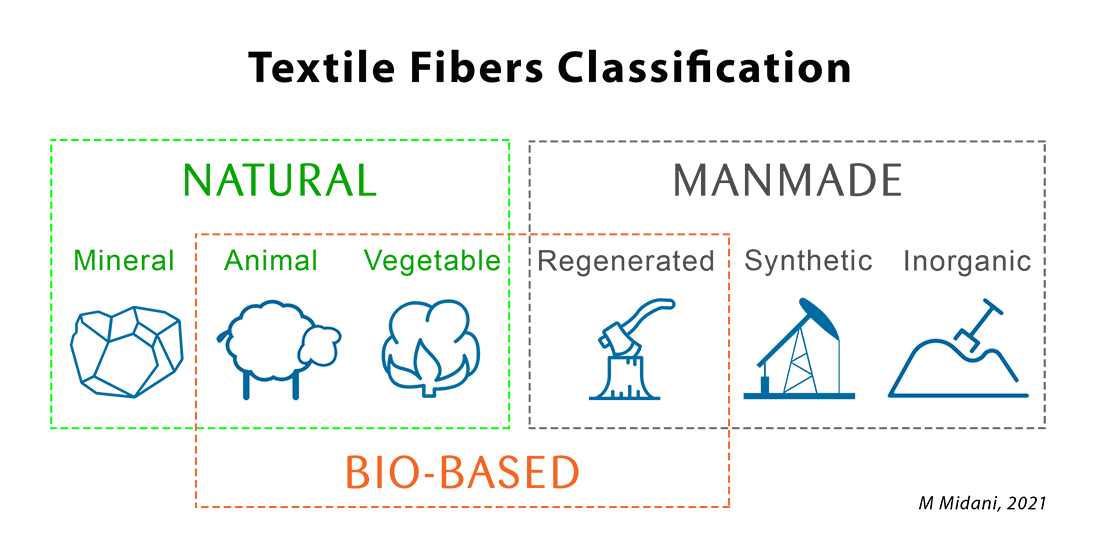
The market context was blunt: "Synthetic fibers currently account for nearly 69% of global fiber production." Against that backdrop the show's messaging repeatedly returned to urgency. "The challenge in this context is to progressively reduce dependence on virgin fossil resources by accelerating the use of circular or bio-sourced alternatives," the exhibition literature stated, framing the technical showcases as responses to a systemic imbalance.
On the floor, attention clustered around PLA-type polymers described as "partially or fully bio-sourced PLA-type polymers" and "an interesting pathway" to reduce fossil dependence. Organisers highlighted specific PLA fiber examples: "Some PLA fibers also fit within circular models, such as PlaX™ or NOOSA® PLA fibers, which are recyclable without fiber degradation." Those names appeared across fabric swatches and yarn displays, presented as options for brands seeking circular lifecycles.
Stretch and recovery were not ignored. "Within the same dynamic, alternatives to conventional elastane, such as Sorona®, are providing high-performance mechanical elasticity, while incorporating a share of renewable resources." Sorona® cropped up in technical briefs and supplier conversations as a way to keep performance without defaulting to fossil-based elastomers.
Chemical recycling of cellulose-rich textiles was another headline. "At the same time, chemical recycling of cellulose-rich textiles, currently a highly dynamic sector, is enabling the production of viscose or lyocell made 100% from pre- or post-consumer cotton waste, without the use of wood pulp, such as Circulose® fabrics." The CIRCULOSE® grouping listed partners including Verne et Clet - FR and Vilartex - PT, while related names on the exhibitor roster included Weturn - FR, Telatex - FR and Toko Shoji - JP; CYCORA® appeared alongside Youngtex - KR in the same product columns.
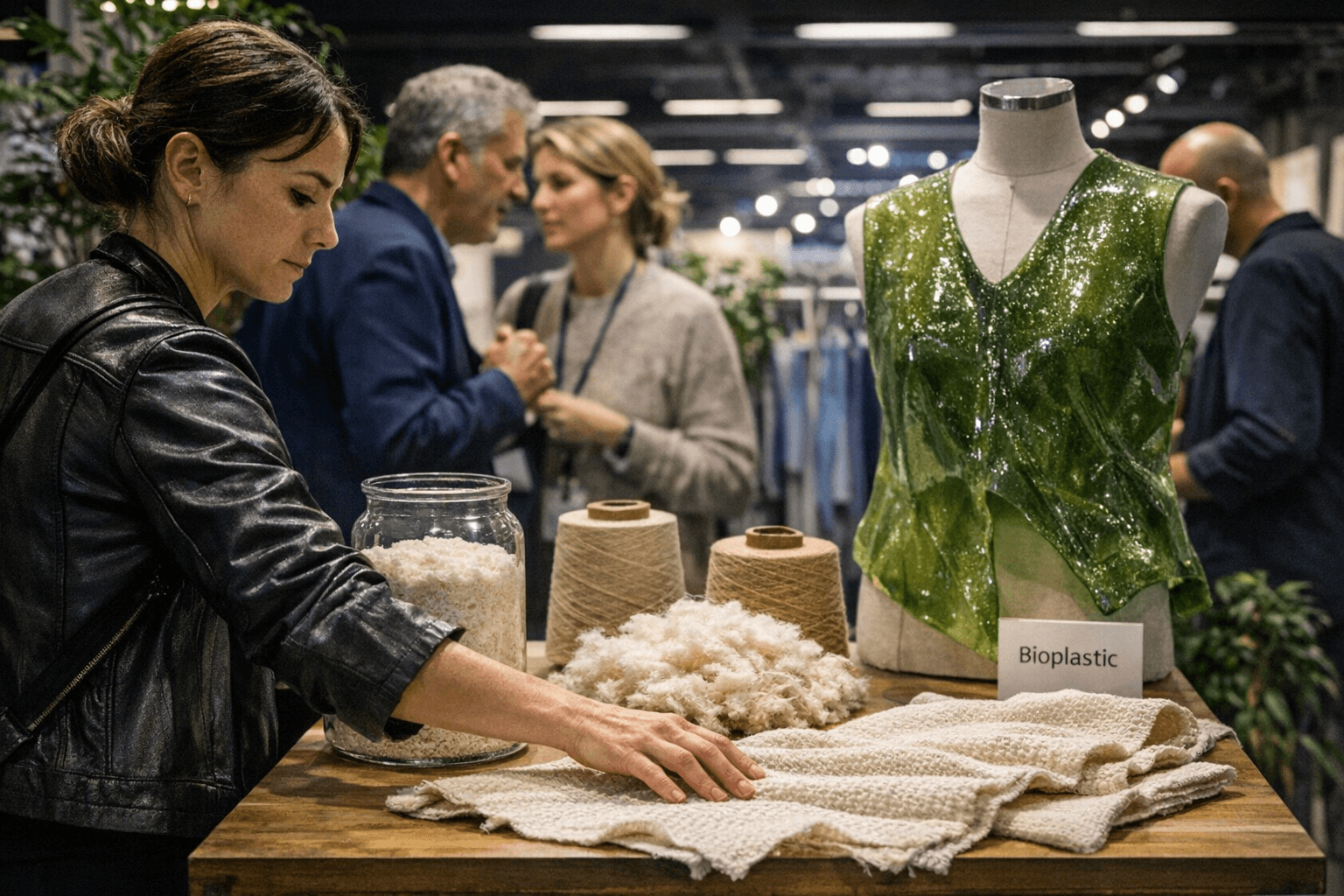
The show did more than parade materials. "These innovations are guided by a fundamental principle. Eco-design remains the primary condition for recyclability and circularity. Considering end of life from the design stage onwards, and selecting materials, processes and finishes that are compatible with existing recycling streams, remains central to responsible approaches." That two-sentence principle was paired with another stark editorial: "Beyond recyclability, however, the textile industry’s primary objective remains sustainability. Product sturdiness, quality and longevity are now prerequisites, essential criteria, when it comes to limiting overconsumption and reducing the sector’s overall impact."
Première Vision’s platform architecture underscored the strategy. "Fabrics is the central pillar of Première Vision Paris: a strategic space where textile excellence meets international creativity." The show's segmentation - Embroideries · Laces · Fake Fur · High Fancy · Industry Associations · Innovation & Technology · Knits · Lining · Premium Relax · Prints · Shirting · Silkies · Sport & Tech · Tailoring · Trend Agencies & Book Stores · Upper [...] - concentrated buyers and innovators. Smart Creation spotlighted "the very latest in: recycled materials (fibres, fabrics), biobased & organic materials, traceable & transparent processes, eco-designed accessories & components, alternatives to leather & synthetic textiles, environmentally friendly dyeing & finishing techniques, fashion Tech innovations." The programme also invited exhibitors to "Showcase your expertise in one of the three Smart Creation sectors:" though the provided text omits the three sector names; the Original Report likewise ends mid-sentence with the fragment "Reporting from the f."
The result at Première Vision Paris, Feb 3–5, 2026, felt less like a parade of prototypes and more like a mapped industry pivot: specific fibers and recycling processes, named partners such as Verne et Clet - FR, Youngtex - KR and fabrics like Circulose® were presented as practical building blocks. The show closed on a clear imperative restated in its materials: the industry must accelerate circular and bio-sourced alternatives to shift away from virgin fossil resources while embedding eco-design and longevity into every stage of creation. "Download the Season Report" was offered for further detail.
This article was produced by Prism’s automated news system from verified source data, official records, and press releases, then run through automated quality and moderation checks before publishing. The system is built and supervised by the people who set the standards it runs under. Read our full AI policy.
Did this article answer your question?