Build a Truly Sustainable, Repairable Wardrobe with Timeless Wearable Pieces
Build a durable, repairable wardrobe by auditing what you own, applying the 30‑wear test, and investing in high‑quality, trans‑seasonal pieces you actually wear.
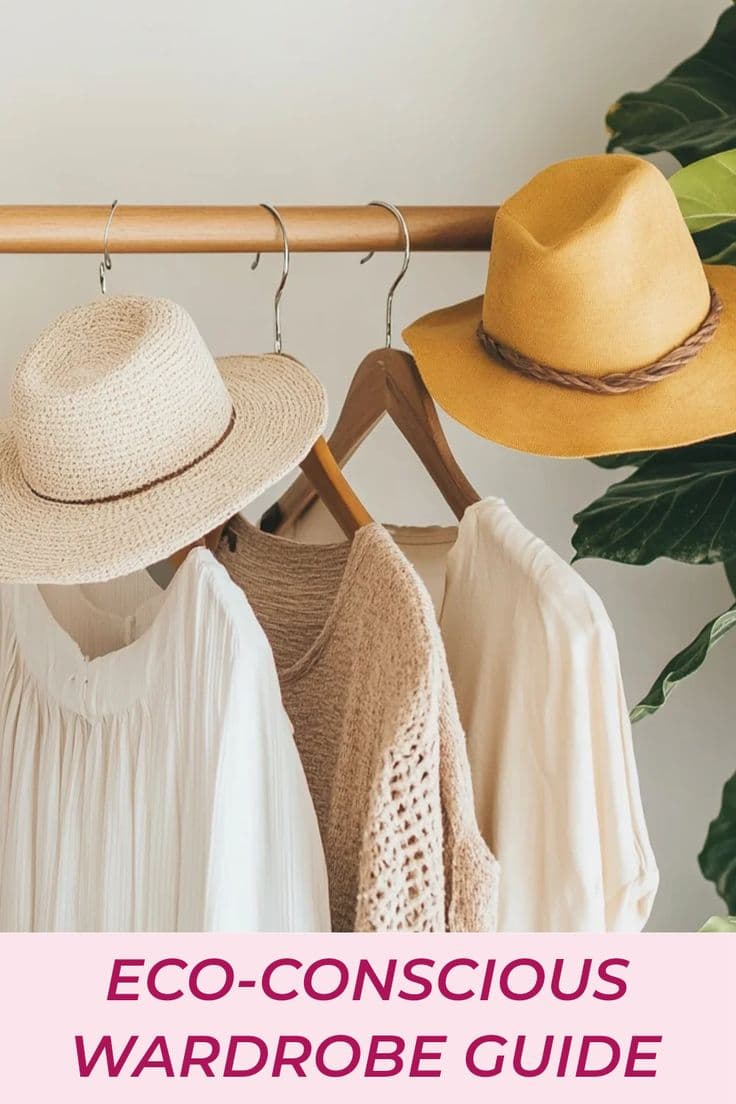
Why this matters now Did you know that "a truckload of abandoned textiles is dumped in landfills or incinerated every second around the world"? That stark line appears in Evergreen's "An Evergreener's guide to sustainable shopping" (Published on April 12, 2024 by Laura Iruegas) and gets to the heart of why a repairable wardrobe matters: reducing waste, slowing consumption, and choosing pieces that earn their place in your life.
This 10-step guide gathers concrete, actionable practices drawn from sustainable‑fashion experts and community resources, practical steps you can start using today to build a wardrobe that lasts, repairs easily, and expresses you without excess.
1. Audit and organize what you already own
Start by decluttering and organizing every closet and jewelry box. Greenerideal advises: "Clear everything out and start sorting. Carefully analyze each piece in terms of condition, fit, trend and separate them in three different piles: keep, resell, donate." As you sort, explicitly identify gaps and versatile pieces so replacements are purposeful; the Original Report begins with the same instruction: "Audit what you already own, identify gaps and versatile pieces."
2. Use a replacement‑first approach; skip a full closet overhaul
Resist the impulse to replace everything at once. Nourishingminimalism cautions that "Dumping all of your clothes and buying a whole new closet is just about the least sustainable choice you could make," and Evergreen urges reflection: "When buying something, I increasingly find myself asking, do I really need this? Was this item made to last?" Replace pieces as they wear out with higher‑quality alternatives so change happens thoughtfully over time.
3. Apply the "30‑wear test" before buying
Make the 30‑wear test your simple decision rule: "Try applying the '30‑wear test' before you purchase anything... Ask yourself, will I wear it a minimum of 30 times?" If you can't confidently answer yes, delay the purchase. Walkingsofter reiterates this point by advising buyers to "anticipate beating the '30 wears' test before you buy," which helps prevent impulse buys and keeps your closet useful.
4. Prioritize quality, repairability, and longevity over trends and low price
Shift spending to daily staples you’ll use often, not one‑off occasion pieces. As Greenerideal notes, "People, in general, tend to think that they shouldn’t be spending a lot of money on a daily item, like jeans for example. Instead, they spend more money on pieces which they rarely wear... Actually, things should be the opposite around." Learn basic mending, seek garments with straightforward construction and accessible tailoring, and treat repairability as a key purchase criterion rather than an afterthought.
5. Invest in timeless, trans‑seasonal pieces that mix and match
"You have to actually wear an item to make it really sustainable," Greenerideal reminds us, so prioritize items that travel across seasons and outfits. Concrete staples include basic T‑shirts, "the mandatory good pair of jeans, classic dresses, or timeless coats" that "can be easily mixed and matched" and "opt for pieces that can easily make the journey from summer to winter." Walkingsofter's guidance to "Invest in trans‑seasonal clothes that can be worn throughout the year" supports the same practical wardrobe architecture.
6. Buy fewer, deliberate pieces; adopt a one‑in, one‑out and donation practice
Make each acquisition deliberate and pair it with a conscious exit strategy. Walkingsofter recommends you "Donate unwanted clothes to support a good cause and practice a one‑in, one‑out policy," while Greenerideal's sorting method helps you decide what to resell or donate. When you bring something new home, plan which item it replaces so your overall volume stabilizes rather than grows.

7. Research brands, beware greenwashing; consider vintage and rental
Change your shopping attitude: consider vintage and rental for special items and investigate brand claims before you buy. Walkingsofter opens with "Change your attitude towards shopping by considering vintage pieces or renting special items" and warns: "Be informed about brands with a sustainable focus and do your research before making purchases. Don't fall for fast fashion's attempts at greenwashing." Look for transparency on materials, supply chains, certifications, and clear repair or take‑back programs.
8. Care for and repair clothing; build practical clothing‑care skills
Extend the life of what you own by learning to care for it well. Walkingsofter advises, "Take care of your clothes to make them last longer, and learn basic repair skills or find a reliable tailor." Small fixes, replacing a button, reinforcing a hem, patching a knee, keep garments in rotation. Identify a local tailor or mender and practice simple stitches yourself: the investment returns in years of wear.
9. Participate in circular‑economy actions: swaps, thrift, resell and rent
Actively move garments through reuse systems rather than the trash. Evergreen invites readers to "Contribute to a circular economy by doing item swaps. Organize a swap with friends or attend our Mini Drop, Swap and Shop: Clothing Edition and our Book Swap events during our Earth Day celebrations on Saturday, April 20." Walkingsofter also encourages vintage shopping and renting, options that reduce new production while refreshing your wardrobe responsibly.
10. Be intentional: craft an aesthetic + ethical wardrobe over time; slow the cycle of consumption
Sustainability is a practice, not a weekend redo. Walkingsofter sums it up: "What you wear matters, and be intentional about each find, purchase, repair, repurpose, or donation. Feel good about what your clothes represent." Nourishingminimalism adds that "creating a sustainable wardrobe isn’t going to happen overnight" and advises planning your wardrobe so purchases "fill a specific hole" rather than chase trends. Commit to patience: the long game is reduced waste, better fit, and a closet that reflects both your style and values.
- Use the three‑pile method, keep, resell, donate, when you next declutter to expose real gaps.
- Run a mental 30‑wear test on every prospective buy: if you can’t see 30 uses, hold off.
- Identify one daily staple to upgrade this season (jeans, a tee, a coat) and budget for quality.
- Find a local tailor or mending class, small repairs save entire garments.
- Organize a swap or attend community events like the "Mini Drop, Swap and Shop: Clothing Edition" to circulate pieces sustainably.
Practical tips to start this week
A closing note Sustainable wardrobes ask for attention, not perfection. As Greenerideal puts it plainly, "You have to actually wear an item to make it really sustainable." Use these ten steps, audit, replace thoughtfully, apply the 30‑wear rule, and favor repairable, trans‑seasonal basics, to build a leaner, more elegant closet that reduces waste and reflects how you live.
This article was produced by Prism’s automated news system from verified source data, official records, and press releases, then run through automated quality and moderation checks before publishing. The system is built and supervised by the people who set the standards it runs under. Read our full AI policy.
Did this article answer your question?


