Campaigners Launch International Push Condemning Brands’ Inaction Over Criminal Cases Against Garment Workers in Bangladesh
40,000 garment workers in Bangladesh face blank arrest warrants after protesting poverty wages. H&M, Zara and Next are among 45 brands named for failing to act.
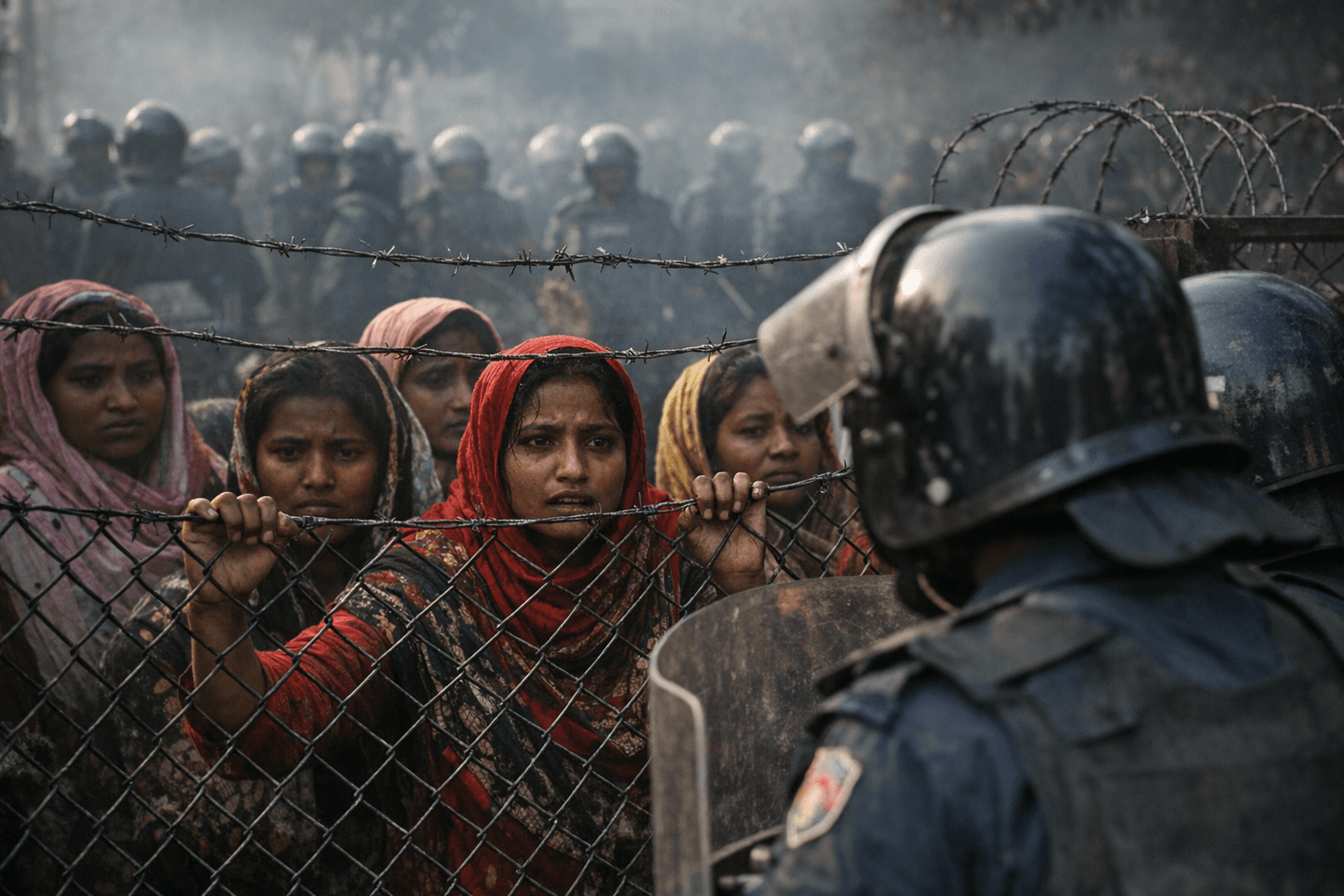
The clothes hanging in your wardrobe may have more in common with a criminal docket than you realize. On April 6, labour rights organizations including the Clean Clothes Campaign and Labour Behind the Label launched a coordinated international campaign naming 45 major fashion brands whose suppliers filed criminal charges against workers in Bangladesh who protested for a higher minimum wage. The number at the center of it all: 40,000 unnamed individuals listed across 36 largely baseless legal cases, held in reserve as blank arrest warrants that campaigners warn can be deployed against any worker who complains to factory management or challenges political interests.
Start here, this week. Pull up the websites for H&M, Inditex (Zara's parent company), Next, Gap, Primark, Levi Strauss, Marks & Spencer, Matalan, VF Corporation and Aldi. Each has been named in connection with the campaign. Ask their customer service teams one direct question: has your brand formally required your Bangladeshi suppliers to withdraw criminal charges filed against workers during the 2023 wage protests? The answer, or the non-answer, will tell you everything about where a brand's supply chain ethics actually land versus where they appear in the sustainability section of an annual report.
The original crisis dates to November 2023, when thousands of Bangladeshi garment workers staged largely peaceful protests against a new minimum wage of 8,000 taka, roughly $94 per month, less than half the 23,000 taka unions had demanded and far below any credible estimate of a living wage. The state's response was brutal: four workers were killed, hundreds were severely injured, and 131 were arrested. In the months that followed, factories supplying international brands filed the 36 criminal cases now at the heart of this campaign. Because those cases name 40,000 "unnamed individuals," the charges function as a standing legal threat rather than a targeted prosecution: factory owners can use them to silence any worker, at any time, for any reason.
"In an industry where union repression is rife, getting the cases dropped is just a first but very necessary step," said Kalpona Akter, president of the Bangladesh Garment and Industrial Workers Federation. "We won't live in fear. We are calling for living wages that support our families."
Anne Bienias, lead campaigner for the Clean Clothes Campaign, was unsparing in her assessment: "The refusal of brands to support union-backed wage demands despite extreme poverty and their lack of willingness to get these cases dropped illustrates who profits from the status quo and who doesn't. Brands clearly do."
The brands' responses so far have been mixed at best. An H&M spokesperson said the company does not "recognise the picture given in the latest reports from campaign organisations," pointing instead to a local agreement between unions, factory owners, and Bangladesh's Ministry of Labor and Employment that purportedly includes withdrawal of politically motivated cases. Lidl contended that it had already ended business relationships with most of the flagged suppliers. Campaigners counter that self-reported progress through bilateral channels falls far short of the transparent, verifiable action workers need.
Thulsi Narayanasamy, Director of International Advocacy at the Worker Rights Consortium, put it plainly: "The systematic punishment of workers for speaking out against a poverty wage cannot be separated from brands' unwillingness to use their leverage to protect the rights of workers in their supply chains."
When assessing a brand's actual commitment, look past the sustainability landing page and into their human rights due diligence policies. Credible documents will name the specific grievance mechanisms available to workers in sourcing countries, detail how supplier audits handle freedom of association violations, and provide a process for escalating cases where workers face legal retaliation. Vague commitments to "responsible purchasing" or "engagement with stakeholders" are not the same thing. The Clean Clothes Campaign maintains a public brand tracker that logs which companies have taken concrete steps; it is the most reliable independent source for verifying any claims a brand makes about progress on this issue.
What is already clear is that the garment stitching a $35 dress or a $90 pair of jeans remains one of the most legally precarious jobs in the global supply chain. As long as blank arrest warrants hang over 40,000 workers, the economic logic of fast fashion runs directly counter to the worker-protection language printed on brand websites. The campaign's next phase of pressure is aimed squarely at converting that contradiction into a liability brands can no longer afford to ignore.
This article was produced by Prism’s automated news system from verified source data, official records, and press releases, then run through automated quality and moderation checks before publishing. The system is built and supervised by the people who set the standards it runs under. Read our full AI policy.
Did this article answer your question?


