Detroit's Earth Month Festival Helps Shoppers Build Sustainable Spring Wardrobes
Detroit's Earth Month festival tackles fashion's dirtiest statistic: 92 million tonnes of clothing fill landfills each year, one rubbish truck's worth every second.
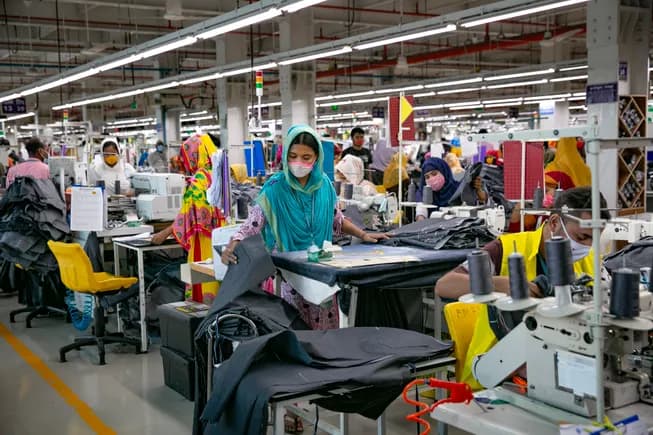
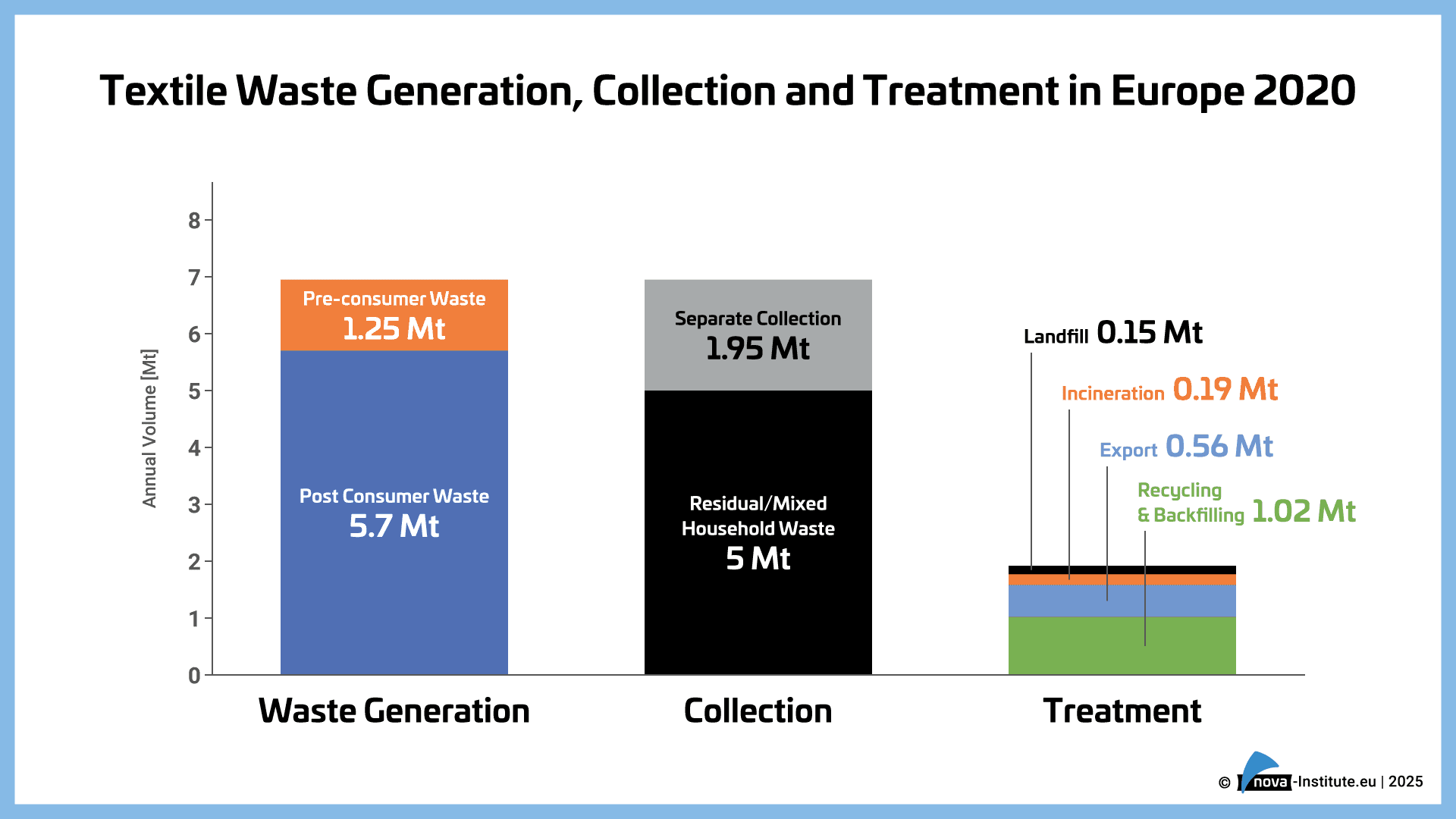
Of the 100 billion garments produced globally every year, 92 million tonnes end up in landfills: a rubbish truck's worth of clothing discarded every single second. Detroit's Earth Month festival, which unfolded this past weekend, offered a pointed rebuttal.
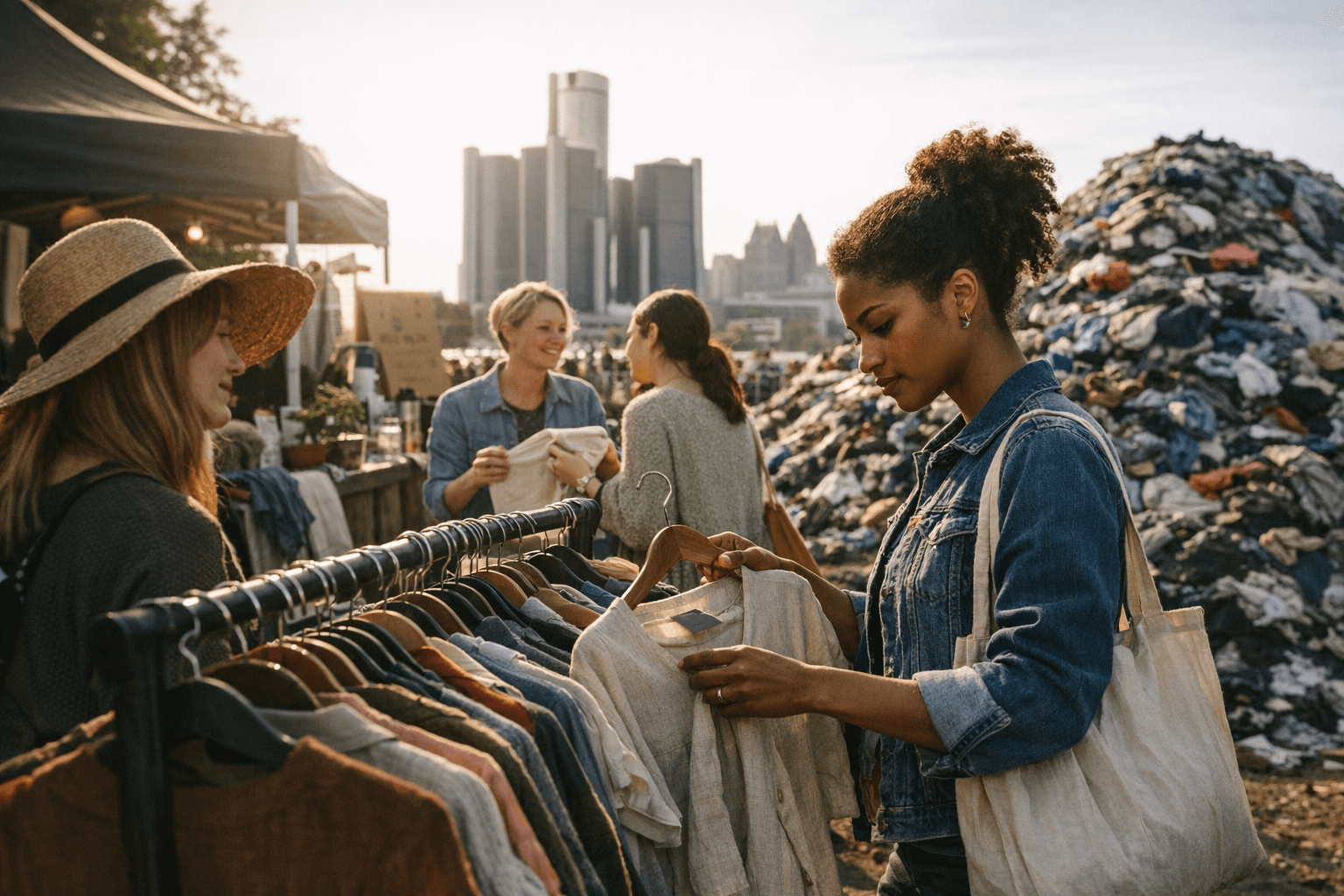
Spring's most practical wardrobe event combined pop-up markets selling upcycled pieces, clothing swaps, hands-on repair and mending workshops, designer panels, and runway showcases featuring local ethical fashion labels. The programming was built around a single conviction: that refreshing a seasonal wardrobe should not require buying anything new.
The timing was deliberate. April's Earth Month designation has become something of a proving ground for sustainable fashion initiatives nationwide, and Detroit's edition leaned into that momentum with an unusually hands-on curriculum. Mending workshops gave attendees actual needle-and-thread skills to extend the life of garments they already own, a practice that sounds modest until you consider that less than 1% of old clothes globally are currently recycled into new textiles. Learning to reinforce a seam or patch worn denim at home addresses that gap more directly than any recycling program.
The swap and repair pop-ups tapped into energy the resale industry has been building for years. The secondhand fashion market is now valued at $210.3 billion globally and is projected to reach $581.3 billion by 2035, driven not by novelty but by a generation that has begun pricing the environmental cost of fast fashion into its purchasing decisions. Textile reuse and repair services have grown 39% worldwide since 2024, according to the World Bank's Global Sustainability Report, as both consumers and local governments push to keep garments in circulation longer.
At the runway showcases, Detroit-based designers working with upcycled and deadstock materials made the aesthetic case that circular fashion no longer reads as compromise. The panels gave designers and shoppers the same floor, a structure that tends to produce more useful conversations than a traditional runway-to-retail pipeline, and one that suits a city building a fashion identity rooted in reuse rather than replacement.
The festival's most portable takeaway was the mending workshop itself: a basic running stitch or a well-placed iron-on patch can add years to a favorite jacket, and that skill travels home. Detroit's growing community of ethical designers, on full display at the weekend's pop-ups, offered the local brand discovery the swap circuit rarely provides. And the easiest habit to carry forward requires no shopping at all: pull out something worn, repair it, and put it back into rotation before the next purchase impulse arrives.
Fashion production currently accounts for roughly 10% of total global carbon emissions, as much as the entire European Union generates in a year. Against that number, a weekend of clothing swaps and mending circles in Detroit is not a peripheral gesture.
This article was produced by Prism’s automated news system from verified source data, official records, and press releases, then run through automated quality and moderation checks before publishing. The system is built and supervised by the people who set the standards it runs under. Read our full AI policy.
Did this article answer your question?