Canada's 2025 PFAS Regulations Reshape Textile Industry with Stricter Chemical Bans
Canada's sweeping PFAS ban, taking effect June 30, targets "forever chemicals" including PFOS and PFOA that have long hidden inside the fabrics we wear.
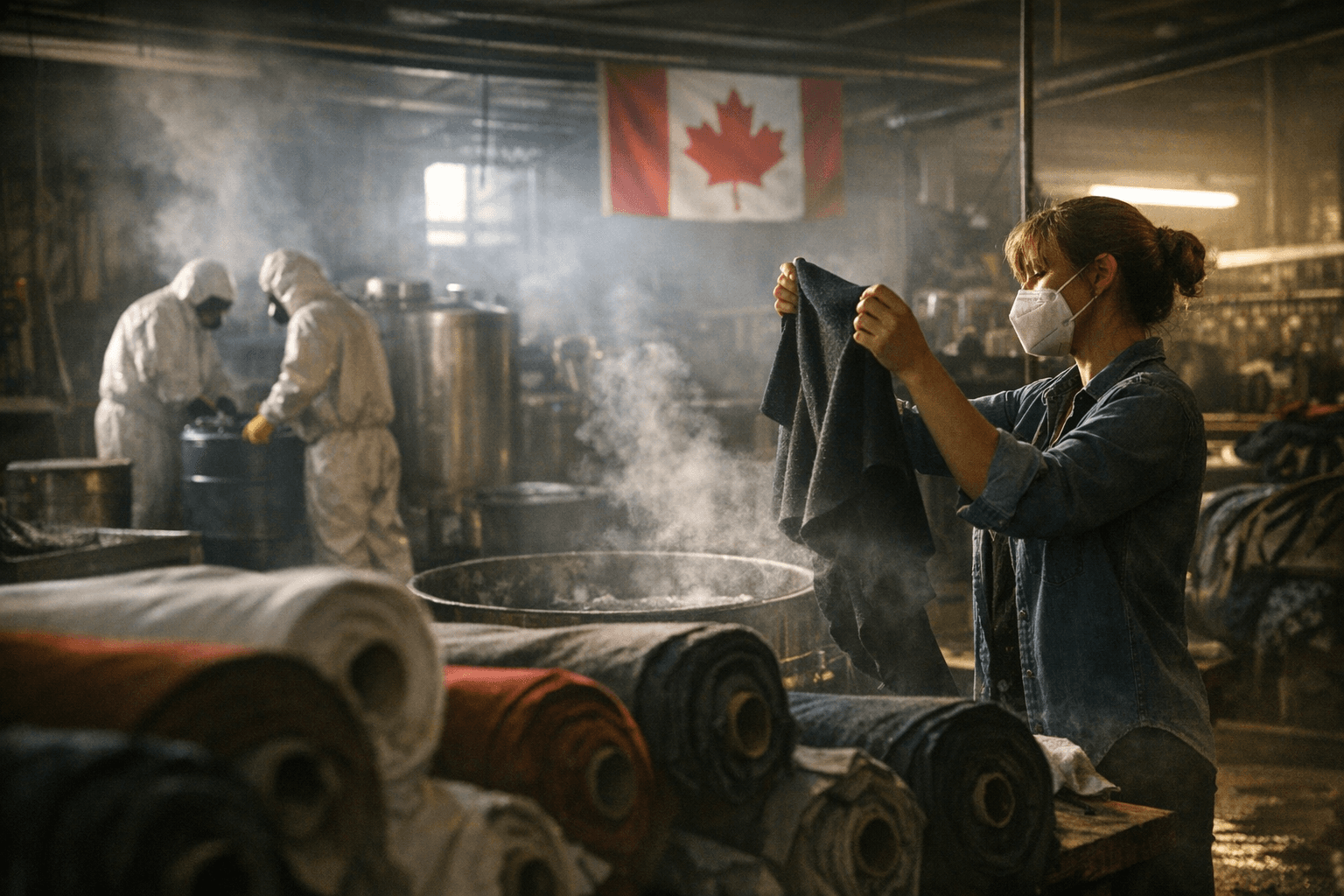
Canada just drew a hard line on some of the most persistent chemicals in the textile supply chain. The Prohibition of Certain Toxic Substances Regulations, 2025, published as SOR/2025-270 in the Canada Gazette on December 31, 2025, formally replaces a framework that had been in place since 2012. The new rules take effect June 30, 2026, and they arrive with significantly sharper teeth.
The regulations, enacted under the Canadian Environmental Protection Act, tighten restrictions on the manufacture, sale, and import of high-risk chemicals, with PFAS at the center of the crackdown. The substances explicitly named include PFOA, PFOS, and long-chain perfluorocarboxylic acids, the class of "forever chemicals" that have been detected in water-repellent outerwear, stain-resistant finishes, and performance fabrics for decades. Alongside the PFAS expansion, the regulations introduce new bans on two brominated flame retardants: Dechlorane Plus and decabromodiphenyl ethane, known as DBDPE.
These are not marginal chemicals. PFOA and PFOS have been the backbone of durable water repellency treatments used across outdoor and activewear categories, and their persistence in both the environment and the human body has made them the target of regulatory pressure globally. Canada's move aligns the country with international chemical safety standards, closing a gap that sustainability advocates have flagged for years.
The 2025 regulations do include breathing room for complex supply chains. The government established time-limited, sector-specific exemptions for essential industries including aerospace, automotive, and electronic manufacturing. Businesses can also apply for temporary permits to import certain products containing prohibited substances, but only if they meet strict reporting and record-keeping requirements. The exemptions are framed as transitional, not permanent, and the permit pathway is conditional rather than open-ended.
For the textile industry specifically, the June 2026 deadline is not distant. Brands sourcing from international mills, finishing houses, or component suppliers will need to audit their chemistry now. The regulations govern manufacture, sale, and import, meaning a garment treated with a banned substance overseas and brought into Canada for retail falls within scope. The permit process offers a legal route for edge cases, but the record-keeping obligations that come with it make it a compliance burden rather than a convenient workaround.
Canada's 2025 regulations represent the most significant update to the country's toxic substances framework in over a decade. Whether the textile industry treats June 30 as a hard deadline or a starting gun for a longer transition will say something important about how seriously the sector takes chemical safety as a design standard rather than a regulatory footnote.
This article was produced by Prism’s automated news system from verified source data, official records, and press releases, then run through automated quality and moderation checks before publishing. The system is built and supervised by the people who set the standards it runs under. Read our full AI policy.
Did this article answer your question?