Carlyle exits Jeanologia as low-impact denim technology draws investor attention
Carlyle’s exit from Jeanologia signals that low-impact denim tech has moved beyond novelty. The water-saving machinery is now the kind of industrial infrastructure investors can value, trade and cash out of.
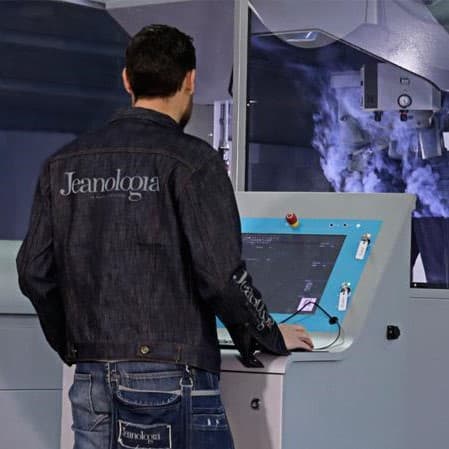
Carlyle’s exit from Jeanologia says a lot about where sustainable denim is headed: not as a nice ESG sidecar, but as hard industrial infrastructure with real pricing power. Jeanologia is no startup in a lab coat. It was founded in 1994 in Valencia, Spain, by José Vidal and Enrique Silla, and it built its name on the unglamorous machinery behind the jeans you actually touch, wear and wash.
That matters because denim’s dirty work has always been in the finish. Jeanologia sells laser, ozone, e-Flow, SmartBox and H2Zero systems, each designed to cut the water, chemicals and pollution that still define conventional denim processing. The company says H2Zero is a zero-discharge water-treatment system, and Textile World reported in 2023 that pairing H2Zero with eFlow could reduce water use to 1 liter while eliminating 80 percent of water and 70 percent of chemicals in garment finishing. That is not boutique sustainability. That is factory-floor reinvention.
Carlyle bought a minority stake in Jeanologia in 2019 and said the deal would help the company amplify its R&D over the next three years. Jeanologia then named Carlos Arias as chief executive in October 2019, replacing founder Enrique Silla. Those moves now look like a classic scale-up play: professionalize the business, push the technology deeper into production, and turn a specialist supplier into a platform with global reach.
The numbers back up that shift. FashionNetwork reported that Jeanologia’s revenue rose 55 percent in 2021 to €62.5 million, with profit of about €16 million. That kind of performance makes a company easier to value, easier to exit and a lot harder to dismiss as a mission-led outlier. When a denim tech business is pulling in that kind of revenue and profit, it stops looking like a grant-hungry sustainability bet and starts looking like industrial equipment with a durable moat.

Jeanologia has also made the environmental case in blunt terms, saying the textile industry is responsible for 20 percent of water pollution. In March 2025, Textile World reported that the company said its technologies had saved 20 million cubic meters of polluted water. Even if the industry keeps arguing about the exact accounting, the direction is unmistakable: brands and mills need fewer chemicals, less water and less waste, and they need it at scale.
That is why Carlyle’s exit feels less like retreat and more like confirmation. The investor money helped Jeanologia mature. Now the market is treating low-impact denim technology the way it treats any other essential piece of production infrastructure: something to buy, build and eventually sell.
This article was produced by Prism’s automated news system from verified source data, official records, and press releases, then run through automated quality and moderation checks before publishing. The system is built and supervised by the people who set the standards it runs under. Read our full AI policy.
Did this article answer your question?