Pandora adds carbon-footprint labels to lab-grown diamonds, cites 90 percent lower emissions
Pandora put a carbon number on lab-grown diamonds, saying one carat clocks 12.58 kg of CO2e, about 90 percent less than mined stones.

Pandora has put a hard number on a soft-selling point. The jeweler said it added carbon-footprint data to its lab-grown diamonds as a fifth C, and the headline figure is striking: the company says the footprint is around 90 percent lower than mined alternatives.
That matters because Pandora is not just using sustainability language as a backdrop. It is trying to make emissions legible at the moment a shopper is choosing between stones. A one-carat Pandora lab-grown diamond carries a footprint of 12.58 kg of CO2e, a number the company says is roughly comparable to making a pair of jeans. In a category still ruled by the traditional 4Cs, cut, clarity, color and carat, that is a meaningful shift. Carbon becomes part of the sales conversation, not an afterthought.
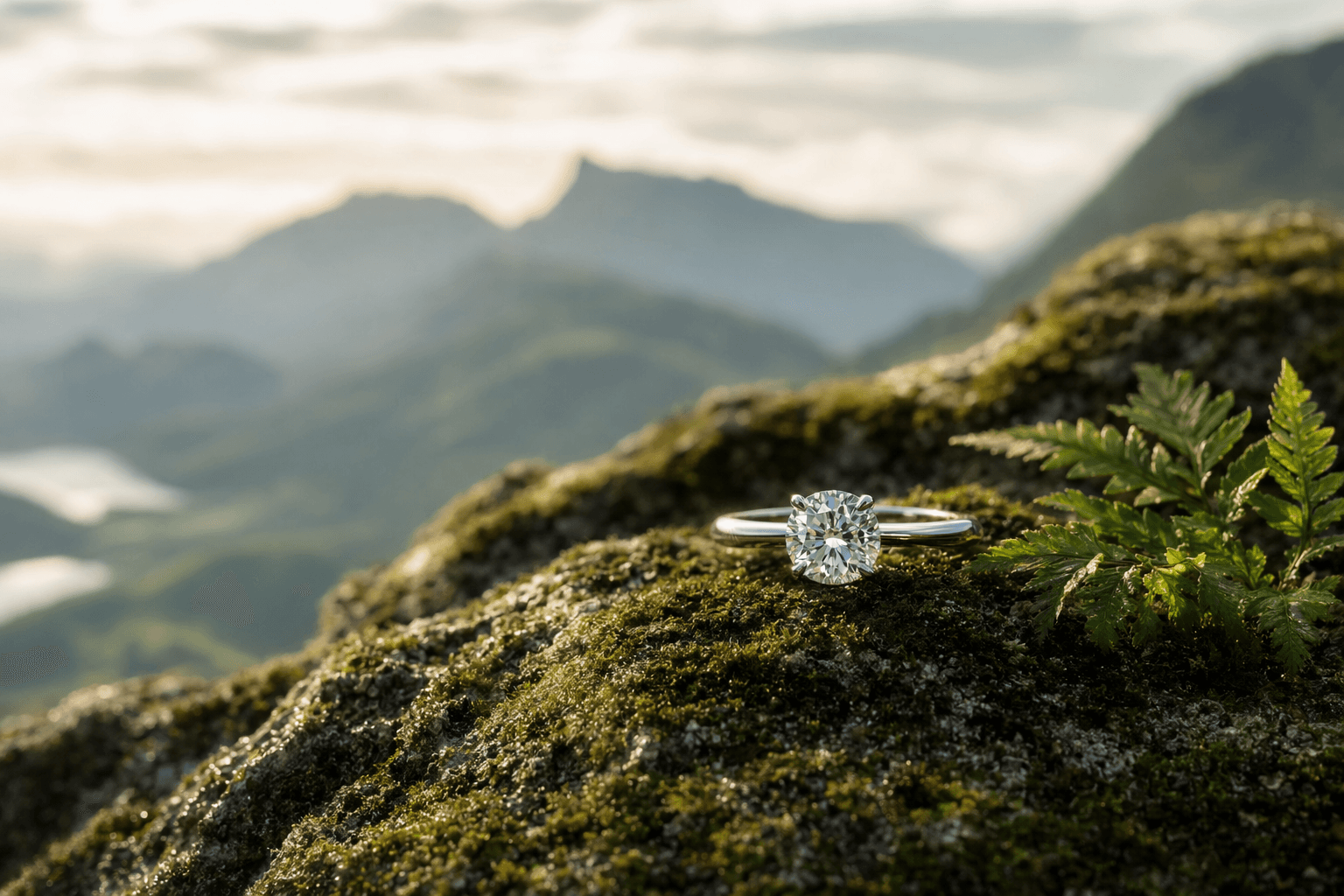
Pandora said the figures were calculated by external life-cycle assessment experts and verified by EY, with the assessment covering emissions from raw-material production through cutting and polishing. That methodology is important. It suggests the label is meant to function more like a product spec than a slogan, though consumers will still need clear presentation to understand what is included, what is excluded and how the number compares across brands. Without that clarity, carbon can become another beautiful but blurry label.
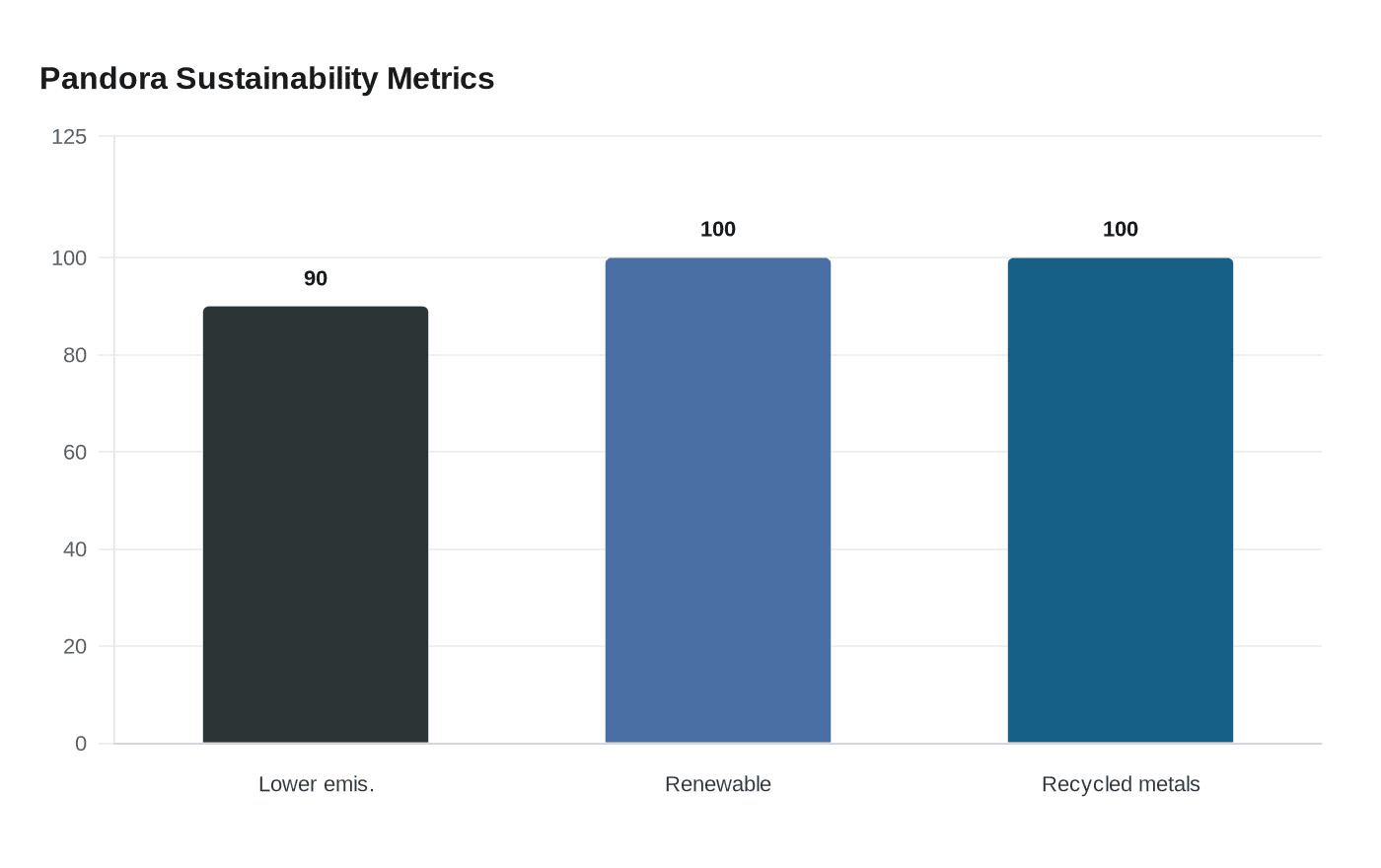
The company is pairing the footprint data with a wider materials overhaul. Pandora said its lab-grown diamonds are grown, cut and polished with 100 percent renewable electricity, and that the stones are set in jewelry crafted from 100 percent recycled silver and gold. Pandora completed the transition to recycled silver and gold across all jewelry in 2024, a change it says avoids around 58,000 tonnes of CO2 each year. It also stopped using mined diamonds in 2021.
The collection is available in the United Kingdom, the United States, Canada, Australia, New Zealand and Denmark, which gives the label a real test across major consumer markets. Pandora has also said that if all diamonds were mined with the same carbon footprint as its lab-grown stones, more than 6 million tonnes of CO2 would be saved annually. That is the kind of number that turns a niche sustainability claim into an industry argument.
For jewelry, and possibly for fashion more broadly, the point is not that a carbon label is glamorous. It is that it may finally be useful. If shoppers can compare footprint data as easily as they compare carat size, Pandora may have done more than repackage the 4Cs. It may have drawn the outline of a new one.
This article was produced by Prism’s automated news system from verified source data, official records, and press releases, then run through automated quality and moderation checks before publishing. The system is built and supervised by the people who set the standards it runs under. Read our full AI policy.
Did this article answer your question?


