Pellemoda CEO urges fashion to tackle climate resilience across value chain
Pellemoda’s Azzurra Morelli said climate resilience cannot stop at the brand level, pushing factories, labs and industrial districts into the adaptation bill.
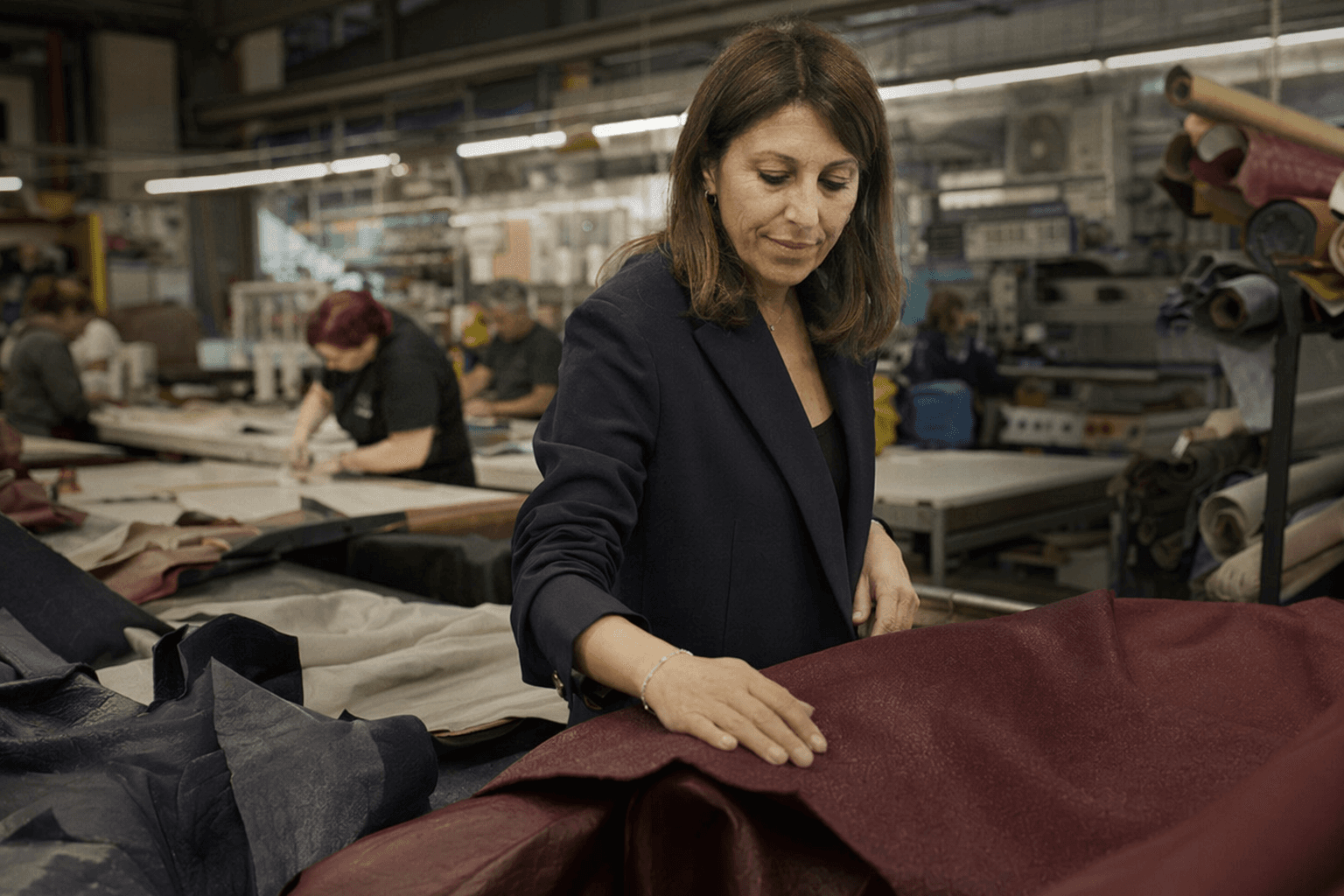
Climate resilience in fashion does not stop at the brand name stitched into a label. Azzurra Morelli used the Global Fashion Summit in Copenhagen to make the sharper point: if factories, laboratories and industrial districts are not prepared to adapt, no luxury brand can claim resilience on its own.
The argument landed at the 2026 Global Fashion Summit, held from 5-7 May at the Copenhagen Concert Hall in Copenhagen, Denmark, under the theme Building Resilient Futures. Global Fashion Agenda bills the summit as the leading international forum for sustainability in fashion, and its stated mission is to mobilize, inspire, influence and educate stakeholders to accelerate a net-positive fashion industry. This year’s message was unmistakably operational, not ceremonial: resilience has to be built into the machinery of the industry, not just its marketing language.
Morelli arrived with unusual weight for an Italian manufacturer. The summit listed her as vice president of Confindustria Toscana Centro e Costa for Equality & Corporate Culture and chief executive of Pellemoda srl società benefit, part of Holding Morelli. Pellemoda says it has more than forty years of experience making leather garments for prestigious luxury brands, which gave her remarks a hard-edged credibility that is often missing from climate panels dominated by labels and strategists.
Her appearance was also notable in Italy, where coverage described it as her first invitation to speak at the Global Fashion Summit in Copenhagen. That matters because the debate is no longer just about targets and pledges. It is about who absorbs the cost when weather volatility, energy shifts and material pressures hit the supply chain first.
Federica Marchionni, chief executive of Global Fashion Agenda, set the tone in opening remarks by saying fashion is at a crossroads amid climate disruption, economic uncertainty and rapid technological transformation. The summit’s audience reflected that reality. The EU Textiles Ecosystem Platform said it convened decision-makers from across the global fashion value chain, including brands, manufacturers, suppliers, policy makers, public authorities, industry associations, NGOs, researchers, innovation stakeholders and business leaders.
That is where Morelli’s intervention cut through the usual summit optimism. UN Climate Change has said manufacturers across the value chain, from fiber to fabric to garment production, face direct and indirect costs in addressing climate action and adapting to climate impacts. In practice, that means adaptation is not a slogan for the front row. It is a question of shared infrastructure, supplier resilience and sourcing decisions, with the bill moving deeper into the supply chain than fashion has been willing to admit.
At Copenhagen, the message was clear: climate resilience will be judged not by the promises brands make, but by whether the industrial base that makes fashion can endure what comes next.
This article was produced by Prism’s automated news system from verified source data, official records, and press releases, then run through automated quality and moderation checks before publishing. The system is built and supervised by the people who set the standards it runs under. Read our full AI policy.
Did this article answer your question?