Circ Partners With China's Xinxiang Bailu to Scale Recycled Viscose Filament
Circ's recycled pulp is heading into viscose filament production at Xinxiang Bailu, the manufacturer claiming the largest global production capacity in that fiber category.
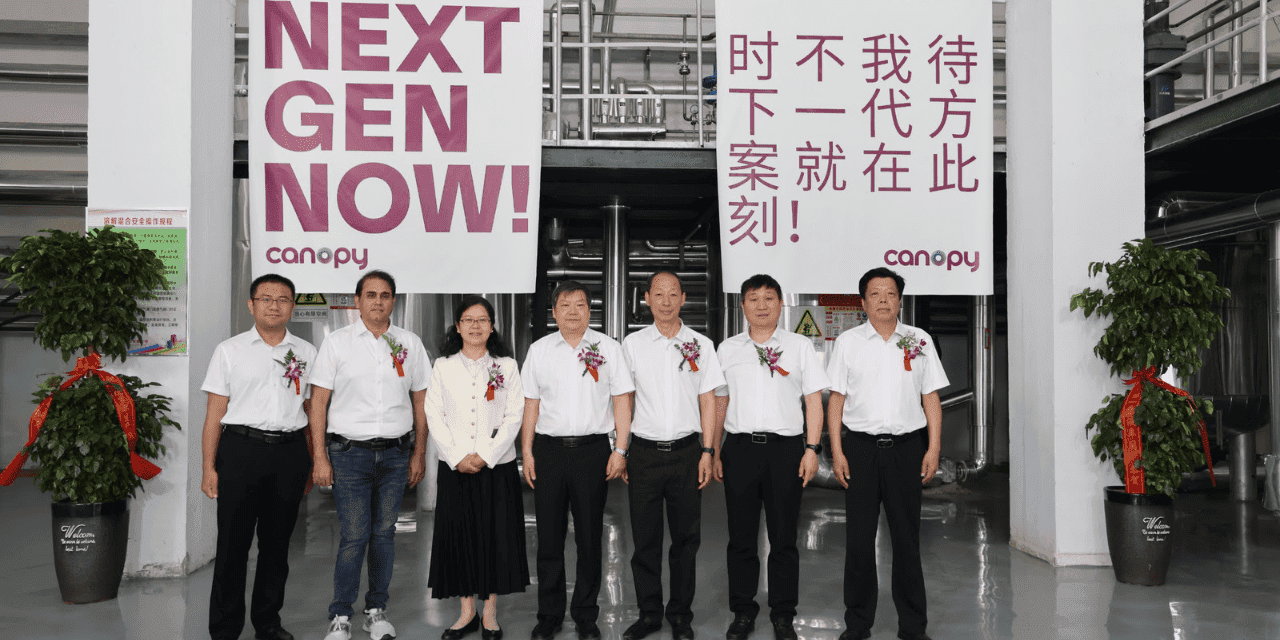
Textile-to-textile recycling company Circ has signed a commercial partnership with Xinxiang Bailu Chemical Fiber Co. Ltd. to integrate Circ's chemically recycled pulp into viscose filament production at industrial scale, securing a foothold inside what is widely described as the world's largest textile manufacturing hub.
Under the agreement, Xinxiang Bailu will procure Circ's recycled pulp and manufacture recycled-content viscose filament for distribution to mills and global fashion brands, acting as Circ's designated commercial partner in China. The deal, announced March 12, is positioned as both a validation of Circ's recycled pulp technology in commercial-grade viscose production and a step toward building a closed-loop textile recycling model within China's vast fiber industry.
Xinxiang Bailu is no minor regional player. The company is part of the Xinxiang Chemical Fiber group, whose parent was founded in 1960; its core subsidiary, Xinxiang Chemical Fiber Co. Ltd., has been listed on the Shenzhen Stock Exchange since 1999. Beyond viscose filament, the company produces spandex and other man-made cellulosic fiber products, and its export reach covers more than 40 countries. Modaes, citing the company's production figures, described Xinxiang Bailu as holding the largest global production capacity for viscose filament in its category.
For Circ, the China deal extends a manufacturing network that has been building momentum on multiple fronts. CEO Peter Majeranowski framed the logic plainly: "By integrating our technology with some of the world's largest fiber manufacturers, we are building the infrastructure needed to scale a truly circular textile economy." The U.S.-based startup, which uses a chemical process to return polycotton waste to its constituent raw materials, producing both recycled polyester and recycled lyocell, counts Inditex and Avery Dennison among its existing investors. A separate funding announcement disclosed that Taranis Investment's Carbon Investment fund delivered $26 million in new financing to accelerate Circ's industrial-scale operations, with Inditex and Avery Dennison contributing additional capital alongside Breakthrough Energy Ventures.
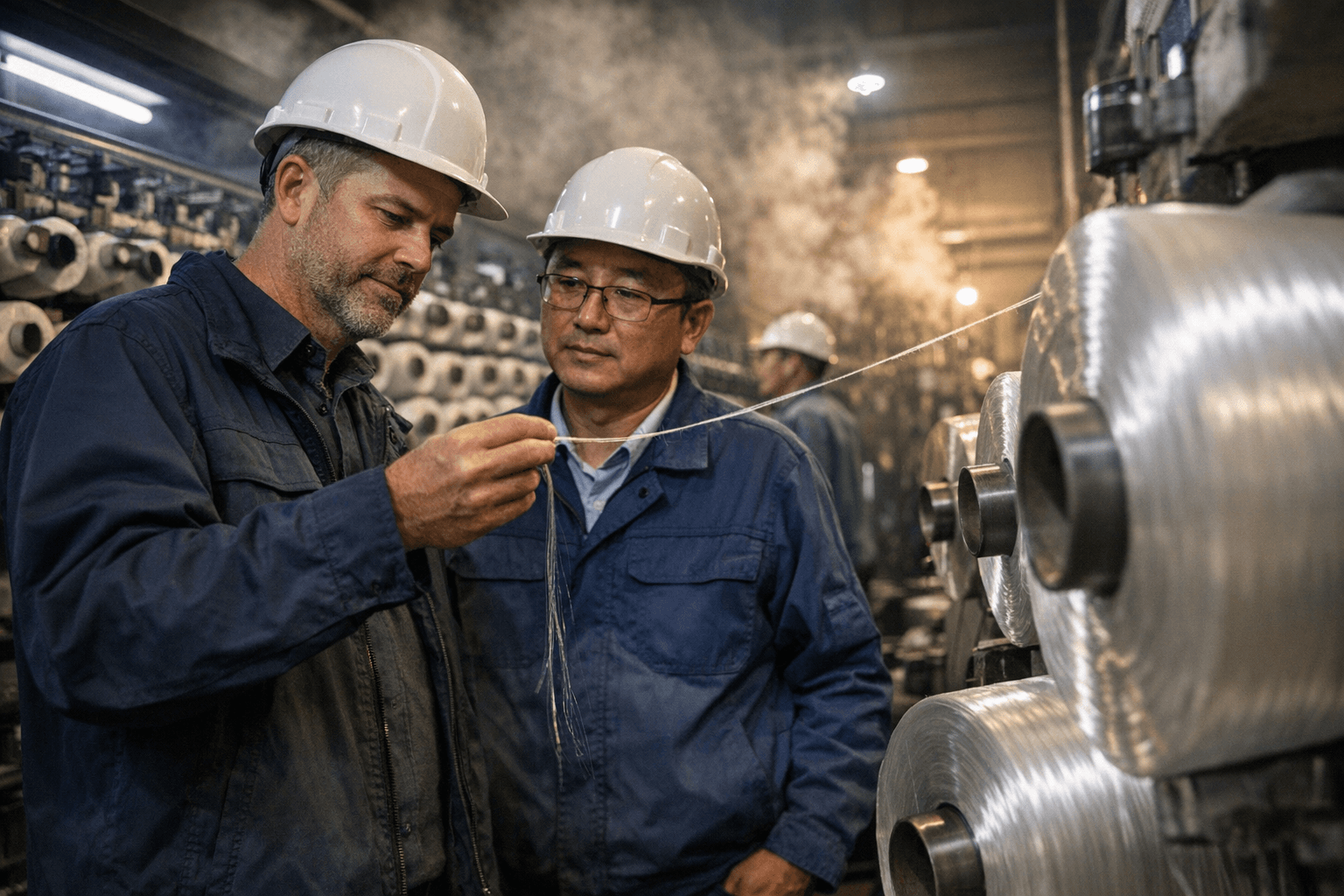
The brand-side infrastructure is also expanding. Circ has been scaling its Fiber Club initiative with a new cohort of partners including Madewell (under J.Crew Group), Reformation, and C&A, alongside supply chain partners Lenzing and Linz Textil. A first sourcing partnership with H&M Group has also been announced separately. An earlier collaboration with Allbirds produced what the company describes as the first shoe made using textile-to-textile recycled fibers, in the form of Circ Lyocell.
What the Xinxiang Bailu deal does not yet clarify is how much recycled content the filament will carry, when commercial production will begin, or which brands have committed to sourcing the resulting fiber. Those specifics will determine whether this partnership translates into meaningful volume or remains a proof-of-concept at the supply chain level. Industry observers have already flagged the central tension: viscose production is highly sensitive to input quality, and achieving recycled-content targets without performance trade-offs at scale is the technical threshold this partnership now has to clear.
This article was produced by Prism’s automated news system from verified source data, official records, and press releases, then run through automated quality and moderation checks before publishing. The system is built and supervised by the people who set the standards it runs under. Read our full AI policy.
Did this article answer your question?


