Circular Shift, Regulation and Infrastructure Reshape Winners in 2026 Sustainable Fashion
Less than 1% of textile waste becomes new fiber while regulators are forcing brands to fund a $5–7 billion recycling buildout to reach true circularity.

Less than 1% of textile waste is currently turned back into new fiber even as governments push brands to foot the bill for a $5 billion to $7 billion recycling buildout to scale sorting and processing plants. Sustainability-directory frames this as a critical infrastructure and finance problem that has shifted the industry from material promises to "financial engineering."
Policy is the pressure point. California passed the Responsible Textile Recovery Act, SB 707, in September 2024, creating the United States' first textile EPR regime. Washington and New York are actively exploring similar laws, and industry groups are preparing for mandatory textile EPR by 2028. At an AMCIRC webinar, panelists argued this regulatory momentum moves brands from voluntary programs to legally enforced end-of-life responsibility; as Kontovrakis put it, "Textile EPR doesn't just check a regulatory box. It forces companies to build the foundation for a more resilient, circular business."
The numbers force a practical reckoning. Sustainability-directory lists "Required Capital Investment → $5 Billion to $7 Billion by 2026" as the scale needed to make textile-to-textile recycling industrially viable. That same briefing labels current textile-to-textile recycling rates as "less than 1%," and defines the process as converting old garments into new, high-quality fiber. The remedy is concentrated spending on sorting lines, processing plants, and collection systems rather than another round of greenwashed material swaps.
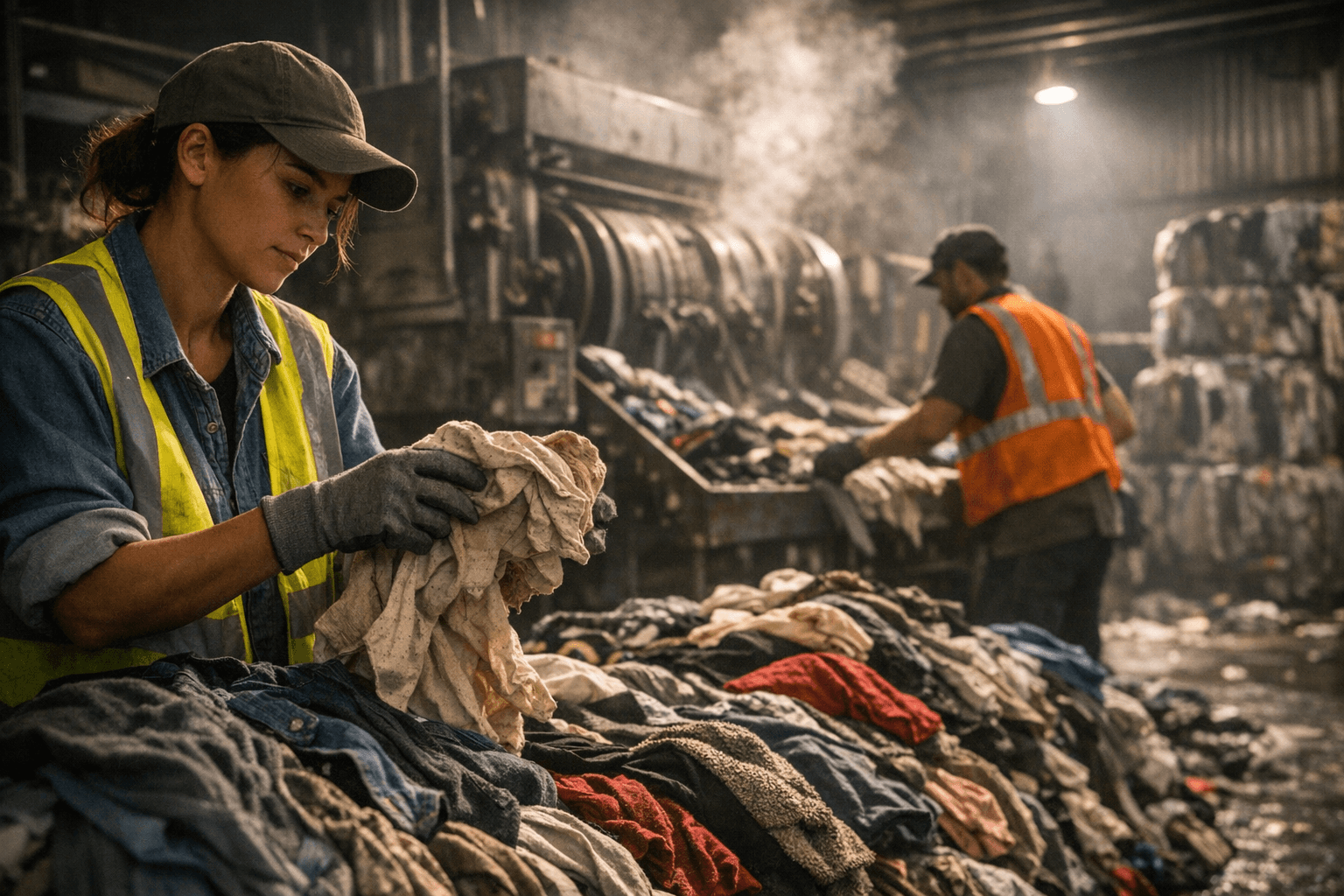
Technology and operations remain messy. Fiber-to-fiber innovations are being prioritized for complex blends even as recycling for chemically treated and blended textiles is still emerging. SourceReady highlights "Designing for Recycling" and brands building products with end-of-life in mind, but FashionUnited's AMCIRC panel warned repair networks and skilled labor are fragmented across the country. "We can have the best intent," Reeves said, "but if implementation doesn't match impact because the infrastructure isn't there, we actually end up doing harm instead of good."
Some companies are already staking claims. Kappahl has retooled its assortment, aiming for 50% enabled for circular offers by 2026 while promising full traceability from fibre to garment and a focus on high-quality timeless pieces. Fristads is scaling a circular service model for workwear that bundles repair, reuse, and recycling and ties into Digital Product Passport requirements. Fablstyle spotlights localism and social impact champions such as Vienna's Bags With Legs, Germany's Trigema, Portugal's Salsa Jeans, and Nigeria's Hertunba and Elexiay, the latter noted for entirely handmade crochet pieces built to last decades.
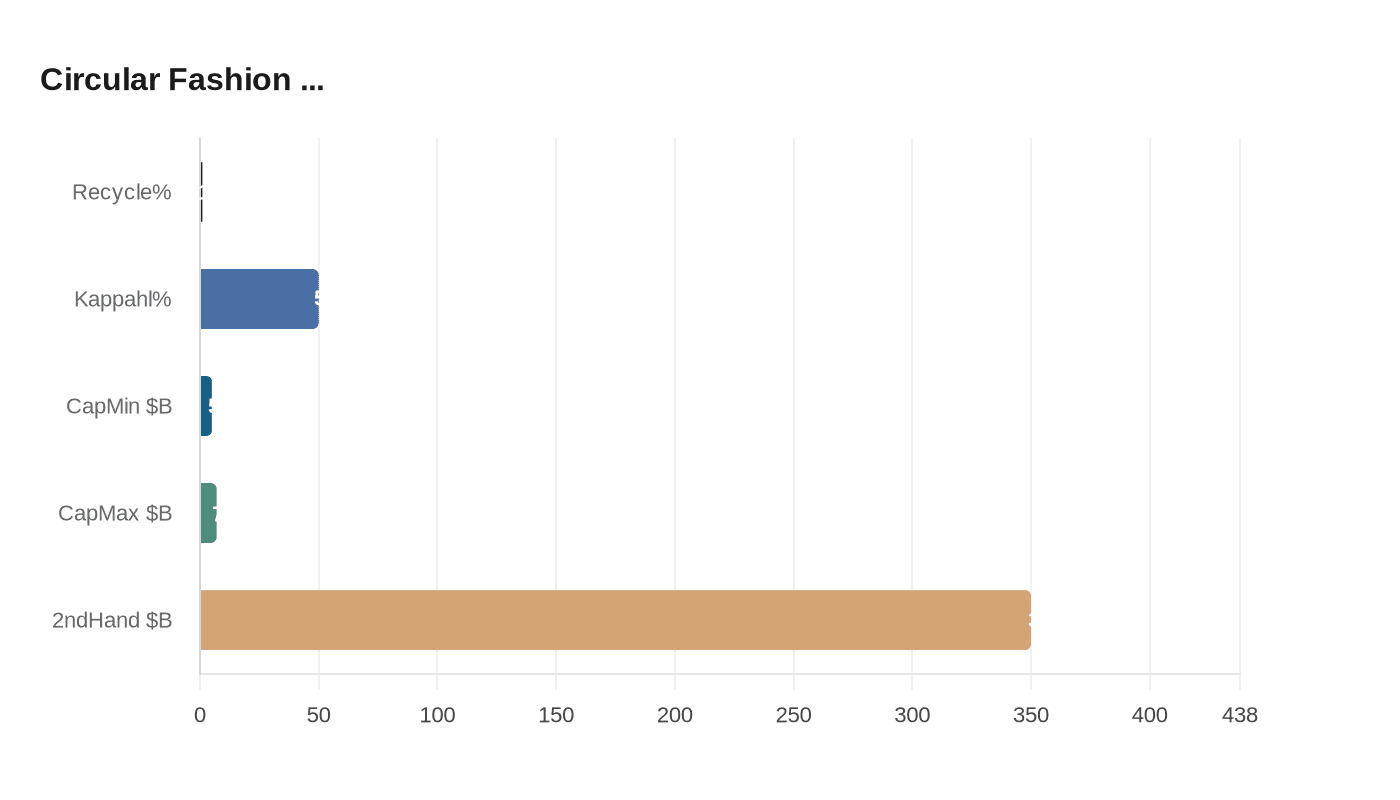
Market upside is real if infrastructure follows. SourceReady projects the second-hand market could reach $350 billion by 2028 and notes take-back schemes and resale are already mainstreaming, with platforms like eBay pushing pre-loved fashion into new visibility. The clearest winners in 2026 will be brands that stop selling sustainability as a slogan and instead pay to build collection systems, scale fiber-to-fiber plants, train repair networks, and meet EPR obligations; the rest face regulatory fines, stranded claims, and a shrinking relevance in a market rewarded for measurable circular outcomes.
This article was produced by Prism’s automated news system from verified source data, official records, and press releases, then run through automated quality and moderation checks before publishing. The system is built and supervised by the people who set the standards it runs under. Read our full AI policy.
Did this article answer your question?


