CORD’s Slow Fashion Vision, Timeless Pieces Built to Last
CORD is betting that the smartest clothes are the ones you keep reaching for. Neha Singh turns craftsmanship, versatility, and repeat wear into a real business case.
Why the anti-trend play matters
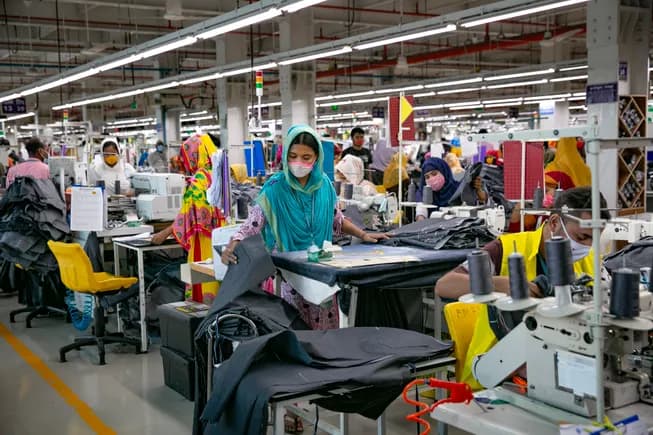
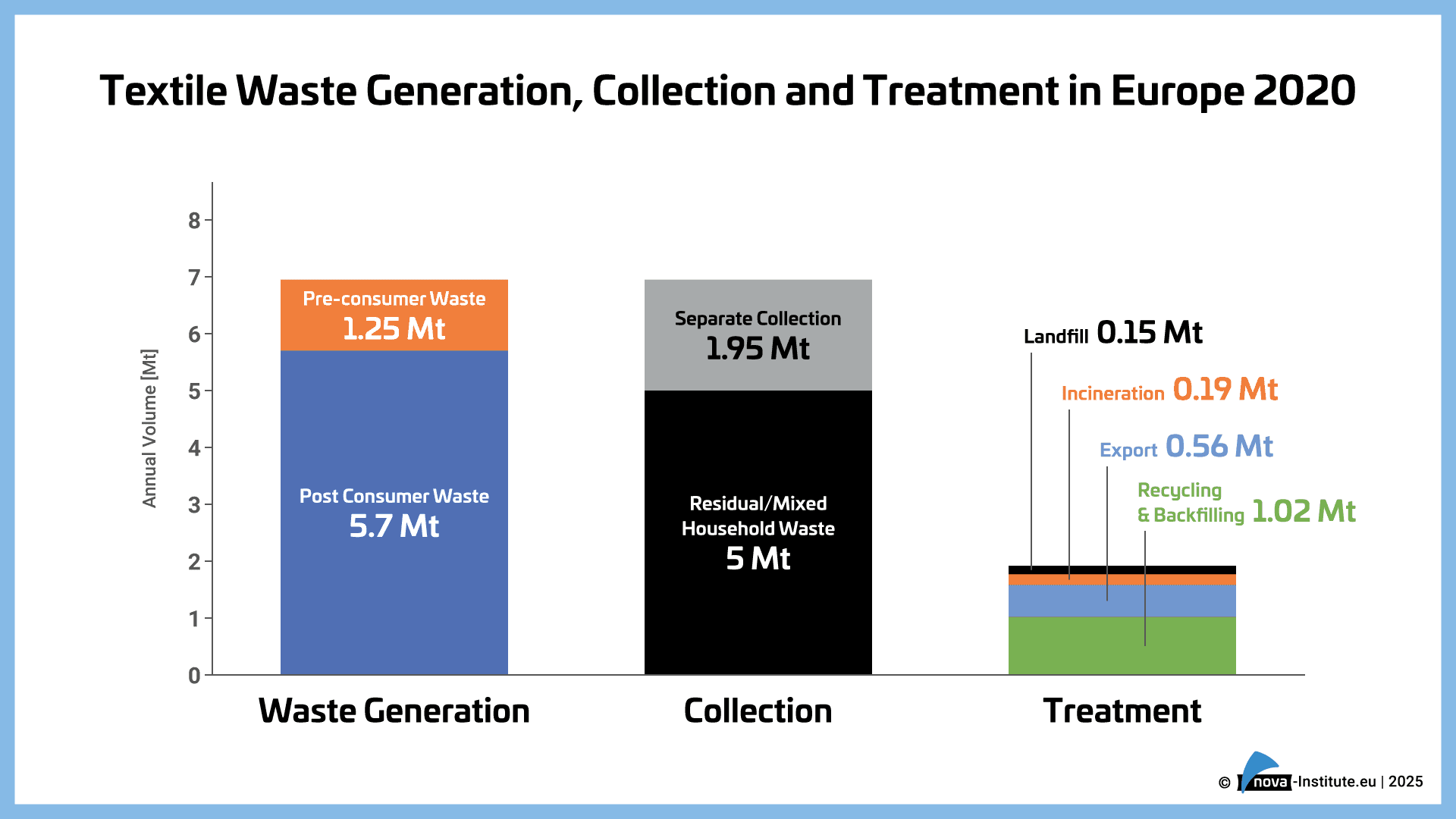
CORD’s entire pitch is refreshingly unfussy: buy fewer things, wear them harder, keep them longer. The label, launched in 2015 by Neha Singh and Pranav Guglani, builds everyday clothes around art, travel, culture, nostalgia, and craftsmanship, then strips out the noise that usually comes with trend-chasing. That matters now because fashion’s environmental math is brutal, and the “wear it once” model is getting harder to defend in a market drowning in excess.
The United Nations has said fashion can account for up to 8% of global greenhouse-gas emissions, and UN Climate Change points to raw material extraction, production, and processing as some of the most carbon-intensive parts of the value chain. Add in fashion’s annual 215 trillion litres of water use, and the appeal of repeat-wear pieces stops sounding aesthetic and starts sounding practical. CORD is leaning into that logic with clothes meant to last beyond seasons, which is exactly the kind of language that lands in an overstocked, trend-fatigued market.
What CORD actually sells: calm, texture, and longevity
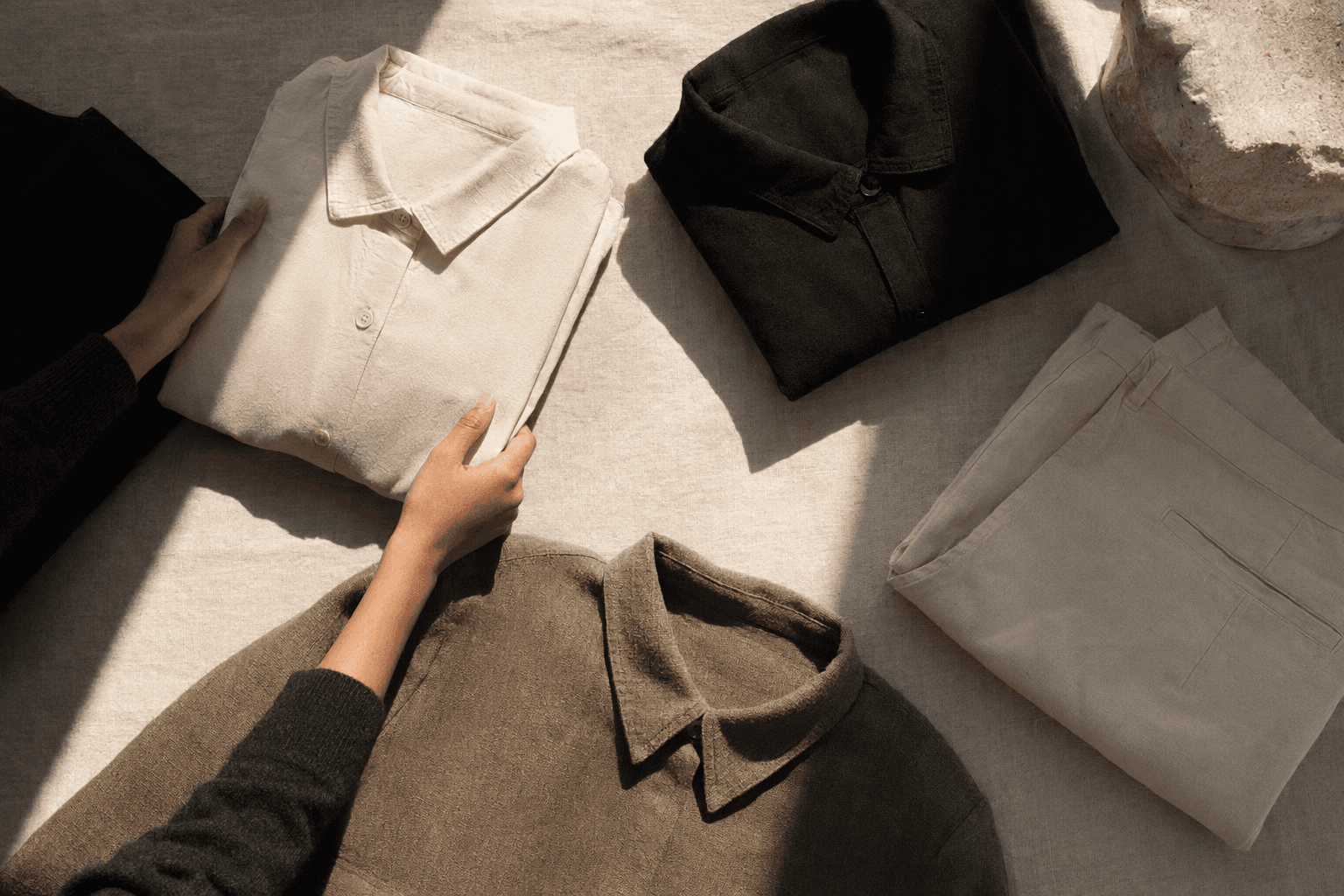
CORD does not read like a brand trying to win the algorithm. Its design language is rooted in tactile craft, with hand-smocking, block printing, and close work with artisans giving the clothes their edge. The result is not loud “sustainable” dressing, but pieces that feel lived-in from the start, with enough visual interest to avoid looking flat after the first wear.
That balance is the point. CORD’s own materials describe an everyday aesthetic that blends old and new, which is smarter than it sounds. You want clothes that can move from day to night, from city to trip, from work to weekend, without needing a styling team and a fresh purchase every time. In a market where a lot of so-called conscious fashion still looks precious or overly delicate, CORD’s pitch is sturdier: these are clothes that can stay in rotation.
The label has also been described across fashion and retail coverage as merging tradition with contemporary fashion, and that’s where the commercial logic gets interesting. Hand-smocking and block printing are not just decorative flourishes here. They give a garment enough identity to feel special, while the overall direction stays grounded enough for repeat wear. That is the sweet spot slow-fashion brands keep chasing and so few actually hit.
The business case is really about cost-per-wear
Anti-trend dressing works when the clothes earn their keep. CORD’s framing around timelessness and versatility is important because it shifts the buying decision away from impulse and toward use case. Instead of asking whether a piece is the new thing, the brand asks whether it will still work after the next season, the next trip, the next calendar reset.
That is where craftsmanship becomes a pricing strategy, not just a moral one. If a garment is built with hand-smocking, block printing, and artisan collaboration, it can justify a higher upfront price than a disposable fast-fashion buy, especially if it keeps pulling weight in the wardrobe. The consumer is not paying for novelty alone. The consumer is paying for repeat use, for fewer regrets, and for pieces that do not age out the second the mood shifts.
- A CORD piece is less about a one-off outfit and more about a rotation slot.
- The clothes are meant to be styled hard, not saved for some imaginary occasion.
- The value sits in versatility, which makes the purchase easier to defend over time.
For fashion-aware shoppers, that changes how a closet gets built:
That is the subtle but powerful difference between a trend item and a wardrobe item. Trend items create pressure to replace. Wardrobe items create habit.
Why the India market is paying attention
This philosophy is resonating because India’s sustainable-fashion segment is increasingly being treated as a growth market by researchers, not a niche charity case. That shift matters. When sustainability stops being framed as a side quest and starts looking like a viable category, brands like CORD can compete on more than just ethics. They can compete on design credibility, wearability, and brand story.
CORD’s founders also give the label a face that feels less corporate and more lived-in. A 2025 profile described Singh and Guglani as a husband-wife team, and a February 3, 2024 profile placed Singh at 36, which makes the brand feel rooted in a very specific generation of Indian fashion thinking: internet-literate, image-aware, but skeptical of trend churn. The couple’s joint authorship is part of the appeal. It gives CORD a sense of continuity, not just collection-to-collection branding.
That continuity has helped the label expand into concept-store retail, where its mix of fashion, art, and storytelling can breathe. That setting makes sense for a brand whose clothes are not trying to shout over the room. They are trying to outlast the room.
Can slow fashion actually scale?
This is the real test, and CORD is one of the more convincing arguments that the answer can be yes, if the brand stays disciplined. Slow fashion scales when it does three things well: it keeps the silhouette wearable, it keeps the craft legible, and it keeps the wardrobe logic obvious. CORD has already built its identity around everyday wear intended to last beyond seasons, which gives it a stronger commercial spine than brands that rely only on sustainability language.
The risk, of course, is that “slow” becomes code for small. That is where CORD’s blend of tradition and modernity matters. Hand-smocking and block printing can feel artisanal and precious, but paired with an everyday aesthetic, they become easier to buy into and easier to wear. That is a much better business proposition than selling virtue with no repeat-use payoff.
The strongest slow-fashion brands will not win by acting like they are above the market. They will win by making the market less wasteful, one piece at a time. CORD’s vision is sharp because it understands the obvious truth many labels still miss: the most sustainable garment is often the one that never leaves rotation.
This article was produced by Prism’s automated news system from verified source data, official records, and press releases, then run through automated quality and moderation checks before publishing. The system is built and supervised by the people who set the standards it runs under. Read our full AI policy.
Did this article answer your question?