Cotton Study Says Apparel Drives 14% of Plastic Pollution
Apparel now looks less like a closet issue and more like a plastic leak: Cotton Incorporated pegs fashion at 14% of annual pollution.
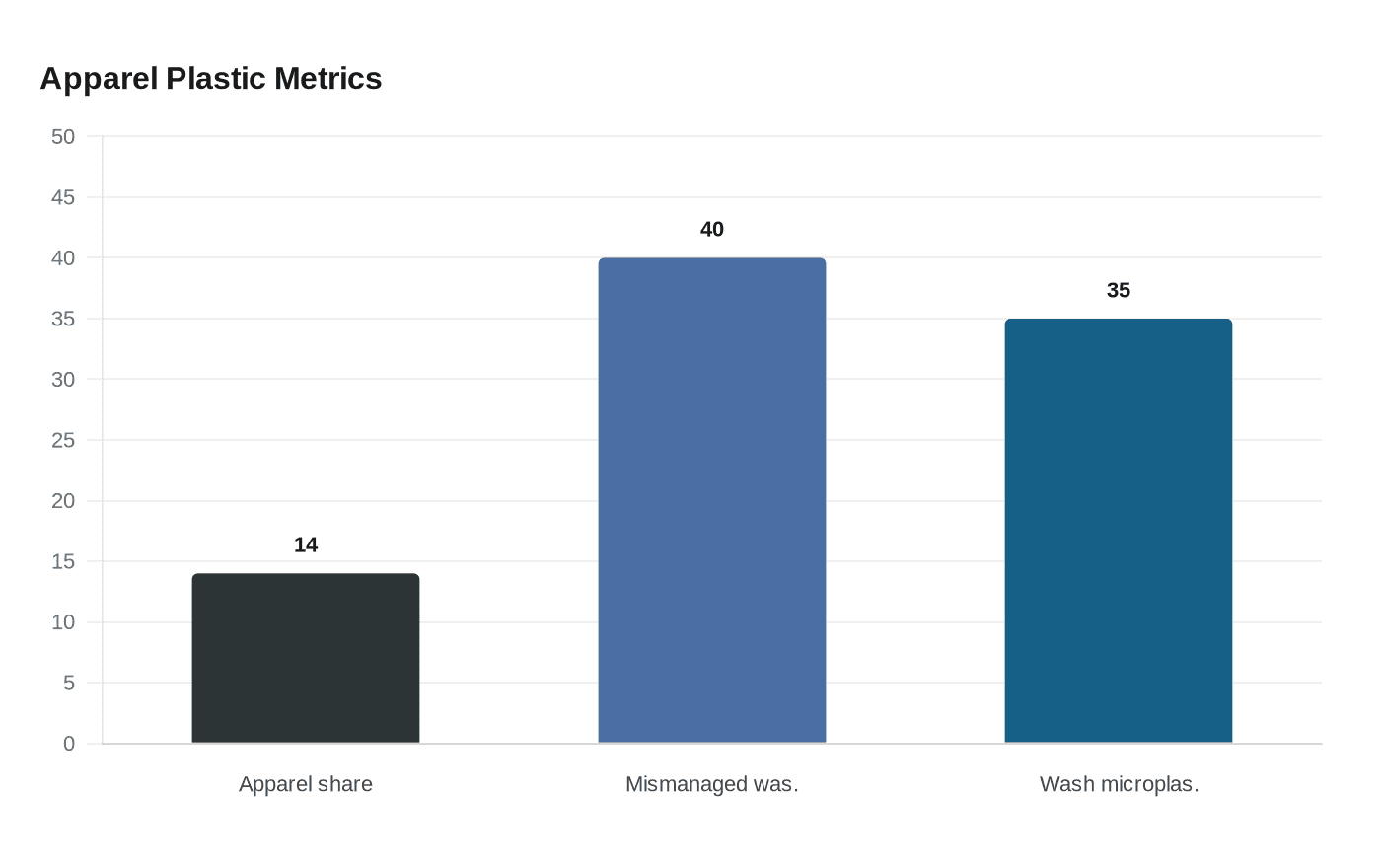
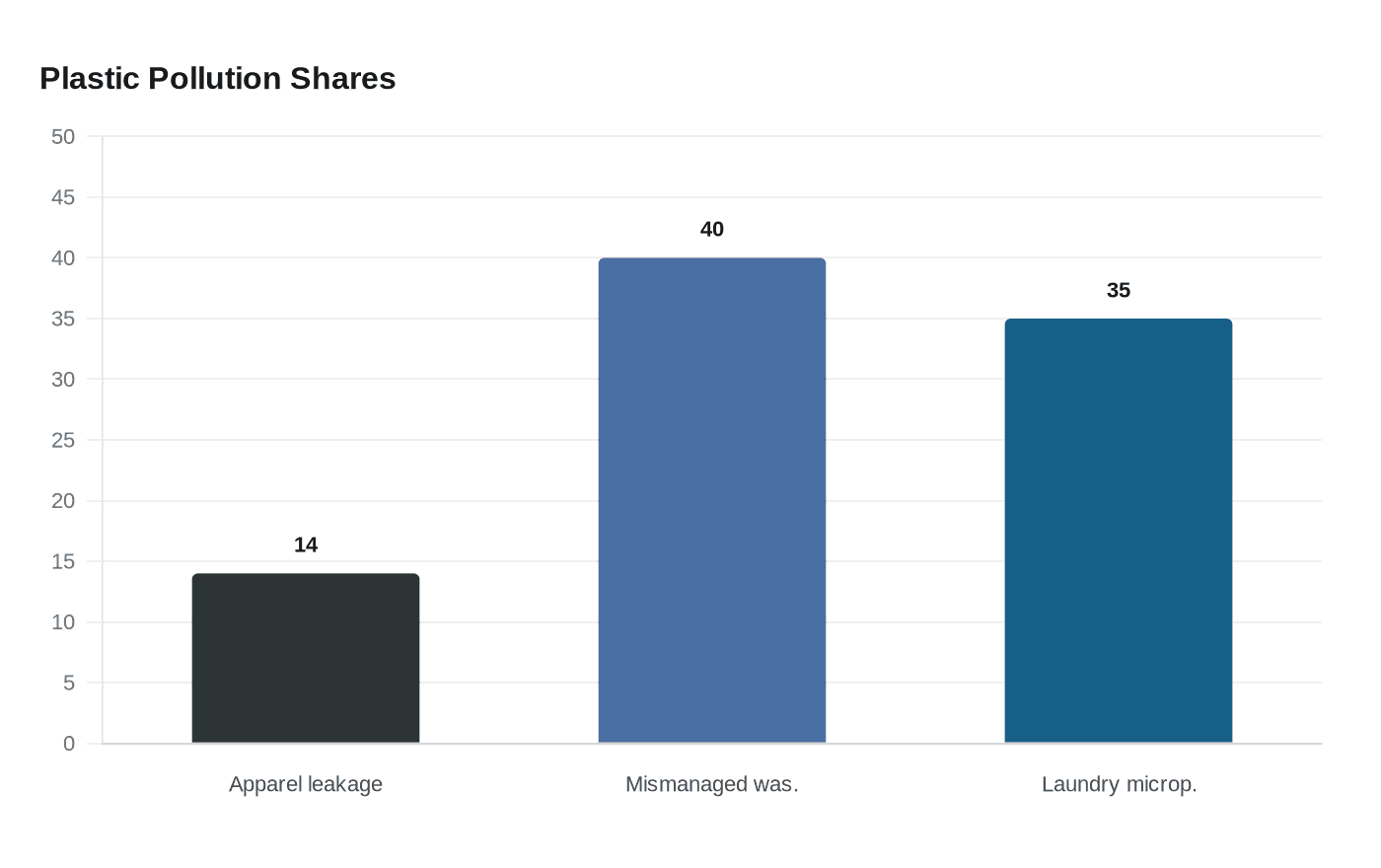
Apparel’s plastic problem is bigger than the little fuzz balls on a black sweater. Cotton Incorporated said the sector accounts for about 14% of annual plastic leakage into the environment, a figure that turns fiber choice into a real-world pollution decision, not just a style debate. The company’s June 24, 2024 report pointed to 8.3 million metric tons of plastic leakage from the global apparel industry in 2019, roughly the weight of 820 Eiffel Towers, and a 2024 Nature Communications paper put the industry’s total plastic waste that year at more than 20 million tons.
The ugly part is where that plastic comes from. The paper said synthetic apparel was by far the largest source of plastic waste in the sector, with about 18 million tons of synthetic-related plastic waste in 2019. Researchers estimated that roughly 40% of apparel plastic waste may be mismanaged and end up leaking into the environment. That means the story is not just about what sheds in the wash. It is also about packaging, production waste and the end-of-life pileup from polyester, nylon and acrylic garments that do not disappear when the trend cycle moves on.
Laundering still matters, and a lot. The paper described textile laundering as a major source of primary microplastics and cited estimates that synthetic-textile washing can account for up to 35% of primary microplastics in oceans. Cotton Incorporated has been studying the biodegradability of cotton, rayon and polyester fibers since 2010, and its line is blunt: cotton microfibers biodegrade substantially in wastewater, freshwater and seawater, while polyester microfibers essentially do not. That is the practical heart of the fibers debate now, because a fabric’s afterlife is becoming as important as its handfeel.
None of that makes cotton a perfect savior. It is still a crop with its own footprint, and rayon brings its own processing questions. But the evidence does support a narrower, more useful argument: natural fibers can reduce the persistence problem at the end of a garment’s life, while synthetics keep dragging plastic into every stage of the wardrobe. That is why the conversation in Cary, North Carolina, around Cotton Incorporated’s Earth Month forum landed less like a sustainability sermon and more like a materials briefing for the industry.
WWD tied the research to what designers and brands are making right now, with plant-based labels such as Jiwya and Stewards standing in for a broader shift toward lower-plastic wardrobes. The message is simple enough to cut through the noise: if fashion keeps building clothes out of fossil-based fibers, it keeps manufacturing a plastic problem that starts in the factory, follows you through the wash, and lingers long after the hanger is empty.
This article was produced by Prism’s automated news system from verified source data, official records, and press releases, then run through automated quality and moderation checks before publishing. The system is built and supervised by the people who set the standards it runs under. Read our full AI policy.
Did this article answer your question?


