Cotton Gains Ground as Fashion Scrambles to Cut Plastic Waste
Cotton is being sold as the cleaner fiber right when plastic waste rules bite harder. The catch: its edge is real, but so are cotton’s water and land costs.
The new cotton pitch is a regulatory move, not just a mood
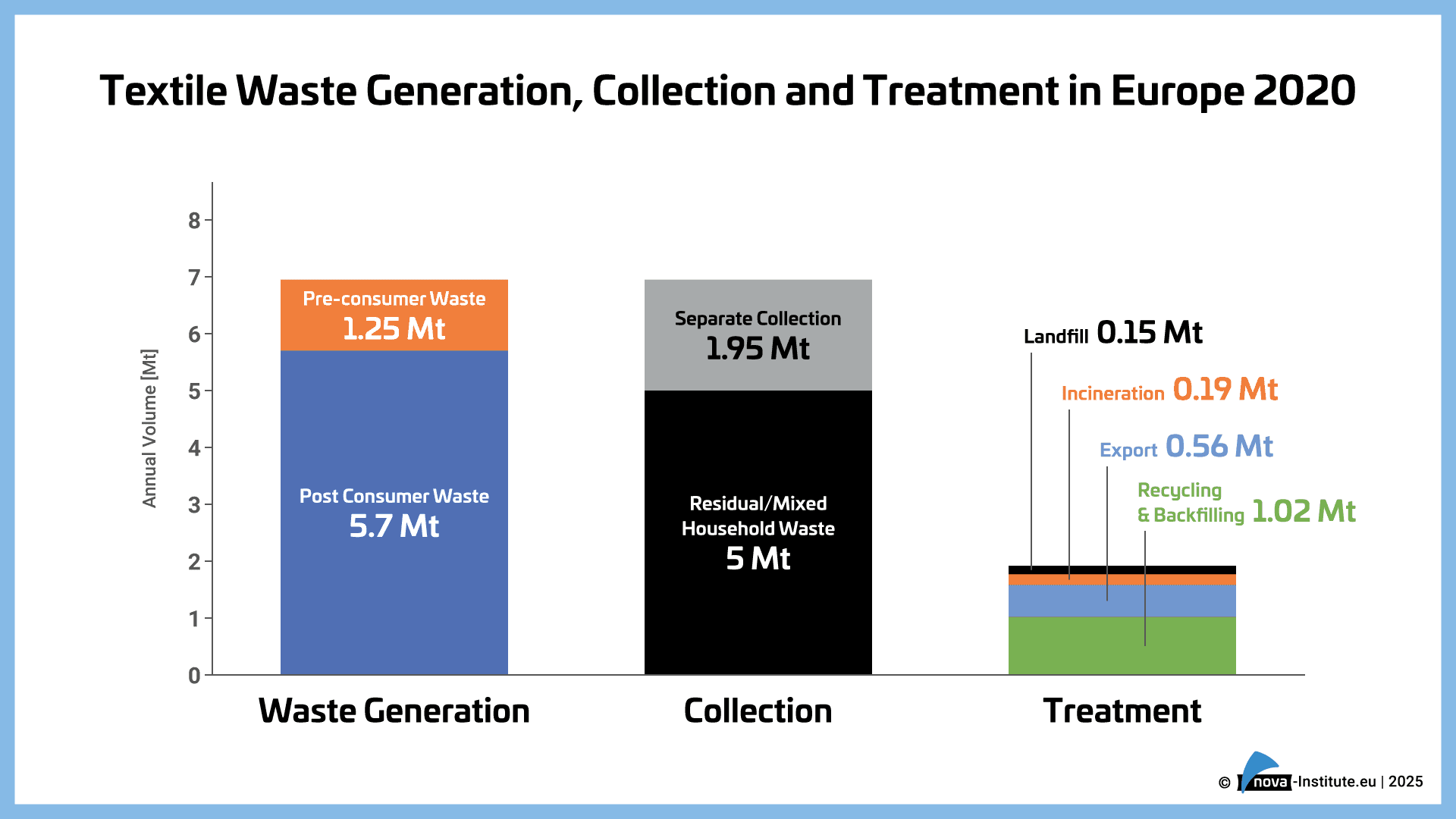
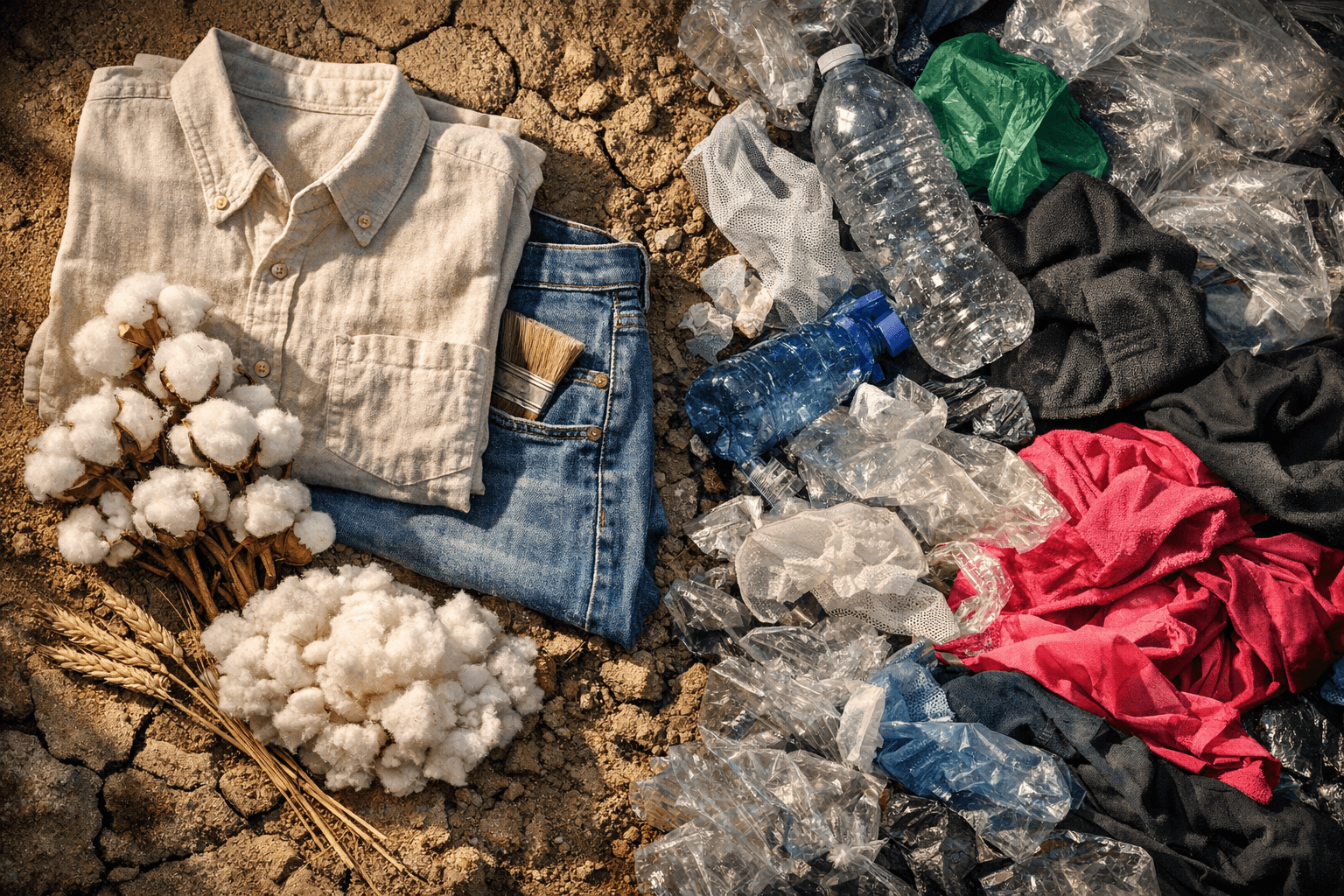
The number that changes the conversation is ugly: the global apparel industry leaked about 8.3 million metric tons of plastic in 2019, and about 7.4 million metric tons came from synthetic apparel alone. That is why cotton is suddenly being framed as more than a basic fabric choice. In Cotton Incorporated’s telling, cotton is a natural cellulose fiber that biodegrades instead of hanging around as plastic pollution, while synthetic clothing sheds at least ten times more microplastics than cotton clothing.
That pitch lands now because the rulebook is tightening. In the European Union, targeted revisions to the Waste Framework Directive were adopted in 2025 to push producer responsibility for textiles and footwear, which means brands are being forced to think about end-of-life, not just the first sale. In the United States, the Federal Trade Commission’s Green Guides still matter because they are designed to keep environmental marketing claims truthful and substantiated. If you are selling “natural” as shorthand for “better,” regulators are asking for receipts.
Where cotton’s case actually holds up
Ask for numbers, not adjectives. Cotton has a real biodegradability argument, and Cotton Incorporated wants that argument measured, not just marketed. The company says cotton is a natural cellulose fiber, biodegradable in many environments, and its biodegradability has been tested across soil, compost, freshwater, salt water, and wastewater using widely recognized ISO and ASTM standards. That is the cleanest part of the cotton comeback: not that cotton is perfect, but that it returns to biology instead of behaving like plastic forever.
Circularity is where cotton tries to stretch the story beyond the wash cycle. Cotton Incorporated points to reuse, repurposing, recycled-cotton applications, and its Blue Jeans Go Green denim recycling program as proof that cotton can sit inside a longer loop, not just a one-way closet-to-landfill path. The program has diverted denim from landfills since 2006 and, according to Cotton Incorporated, has recycled millions of pieces of denim into new uses, including insulation. That matters because a cotton jean that gets turned into building insulation is doing more than virtue signaling on a hangtag.
There is also a bigger supply-chain logic underneath the branding. Cotton Incorporated says its job is to increase demand and profitability for cotton, while reducing impact across the long supply chain from seed to finished goods. The company’s own sustainability framing makes the bet plain: if the world’s population is projected to reach nine billion by 2050, cotton has to grow, but it also has to get cleaner, smarter, and harder to dismiss. That is not a feel-good sustainability slogan. That is a market-share strategy dressed in environmental language.
Where the cotton story gets uncomfortable
Cotton’s biodegradability does not cancel out the crop’s footprint. A 2023 Nature Reviews Earth & Environment review says cotton, which supplies about a quarter of global textile fibres, carries environmental impacts including water use, toxicity, eutrophication, and greenhouse gas emissions. WWF goes even harder, calling cotton one of agriculture’s water-intensive and pest-sensitive crops. In other words: a cotton tee can be better than polyester at the end of life and still come with a rough upstream bill.
That is the part marketing tends to blur. Cotton is not automatically the low-impact answer just because it is plant-based. Cotton Incorporated itself says the fiber’s success is tied to the land and that the industry has to reduce environmental impact across every link in the supply chain while increasing output. So yes, cotton avoids the plastic persistence problem. But cotton farming still uses land, water, fertilizer, and, in many conventional systems, pesticides. The fiber’s natural origin is real. So are the agricultural costs that come before it ever hits a cutting table.
One of the sharper details in Cotton Incorporated’s own research is that cotton-side plastic leakage is not mainly about the fiber itself. In its plastic leakage assessment, synthetic end-of-life apparel drives most apparel-related plastic waste, while cotton apparel’s plastic waste is driven more by packaging, with a smaller contribution from plastic mulching in some regions. That is a useful distinction because it stops brands from pretending the whole problem starts and ends with fiber content. A 100 percent cotton shirt shipped in layers of plastic is still dragging the same old baggage to your door.
What to ask before you buy the story
The cleanest way to read the cotton comeback is to treat it like a standards check, not a vibes check.
- Ask what “biodegradable” means in practice: soil, compost, freshwater, salt water, or wastewater, and whether the claim is backed by ISO or ASTM testing.
- Ask whether the brand has measured plastic leakage in packaging, trims, and transport, not just in the fabric itself. Cotton may be the fiber, but the product can still arrive wrapped in plastic.
- Ask what the garment is built from after the first life cycle. Recycled cotton content, take-back programs, and denim-to-insulation projects are more credible than vague circularity talk.
- Ask for the environmental comparison, not the marketing adjective. The FTC’s Green Guides exist because “green” language gets sloppy fast, and cotton’s case only holds if the claim is specific enough to survive scrutiny.
The bottom line is that cotton is gaining ground because the industry is being squeezed by plastic waste rules, microplastic anxiety, and tougher claims standards. Cotton is not a miracle fabric, and it does not need to be one to benefit from the moment. It just needs to be the fiber with the cleaner end-of-life story, the more defensible environmental claim, and the stronger long-game bet on supply-chain innovation. That is the real comeback: not cotton as nostalgia, cotton as a regulated market advantage.
This article was produced by Prism’s automated news system from verified source data, official records, and press releases, then run through automated quality and moderation checks before publishing. The system is built and supervised by the people who set the standards it runs under. Read our full AI policy.
Did this article answer your question?